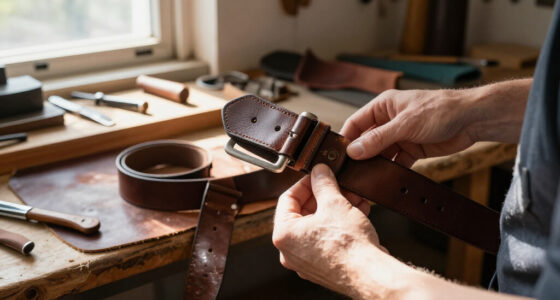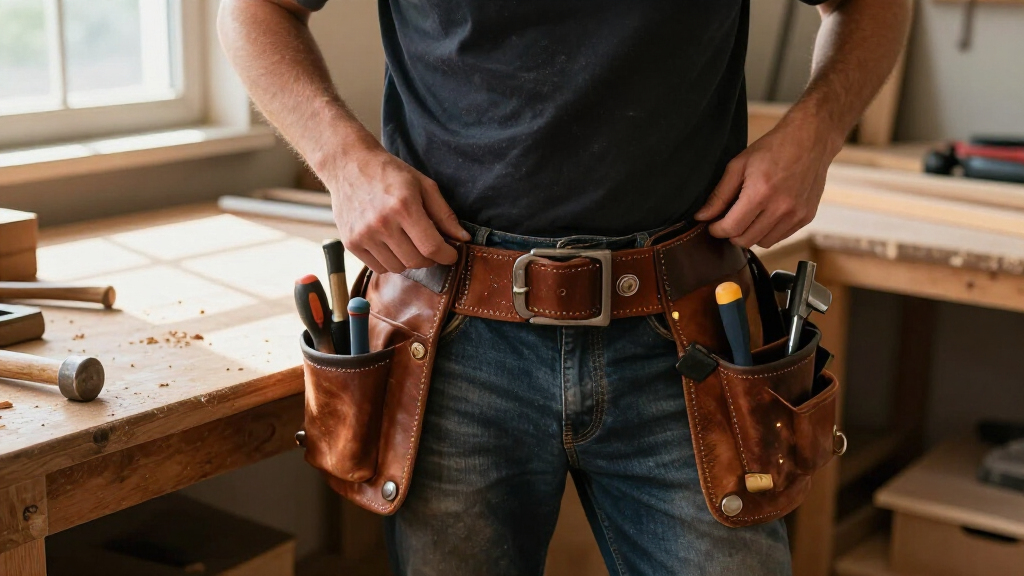
A heavy-duty work belt has one job: hold up your pants and your gear without stretching, cracking, or giving up halfway through a shift. After comparing six leading options, the Dickies Men’s Double Prong Leather Work Belt stands out as the best overall pick thanks to its double-roller buckle and thick leather that resists the sagging that plagues cheaper belts. If you want maximum stiffness for hanging tool pouches, the F&L Classic Full Grain Double Prong Belt is the tank of the group, while the CHAOREN Heavy Duty Belt delivers surprising durability at a budget-friendly price. The main tradeoff in this category is stiffness versus comfort — the thickest belts carry the most weight but take weeks to break in. Keep reading for the full breakdown of which belt fits your trade, your waistline, and your budget.
Play games included with Prime
Start a Prime free trial and play with Amazon Luna on your devices.
Start playingAs an affiliate, we earn on qualifying purchases.
Complete the kit

Key Takeaways
- Double-prong and double-roller buckles were the clearest quality separator in this lineup — every belt that earned a top-three spot has one, because single-prong designs under heavy tool loads allowed visible slippage.
- Full grain leather (F&L, Timberland PRO) outlasted bonded and genuine leather options (Dickies Casual, CHAOREN) in stiffness retention, but demanded a longer break-in period — a real tradeoff for anyone working five days a week.
- Three of the six belts are Dickies models, but they are not interchangeable: the Industrial Strength version is noticeably stiffer and thicker than the Double Prong, which is itself far more substantial than the Casual version.
- The CHAOREN proved that budget belts can perform for daily wear without tools, but it is not built for loaded tool pouches — buyers who hang gear should step up to a double-prong model.
- Belt width consistency mattered more than expected: the Timberland PRO’s 38mm profile fits standard work pants and tool belt loops better than some 1.5-inch belts that ran wide and fought belt loops all day.
| Dickies Men’s Double Prong Leather Work Belt | 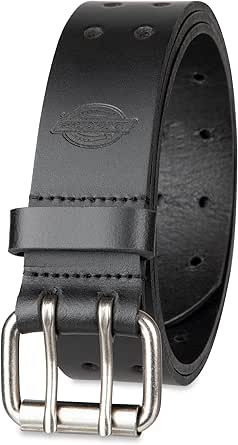 | Best Overall | Material: 100% Leather | Buckle Type: Double prong roller buckle | Adjustability: Fully adjustable with double perforation | VIEW LATEST PRICE | See Our Full Breakdown |
| Dickies Men’s Industrial Strength Leather Belt – Workwear, Durable, Reinforced, Heavyweight |  | Best Value | Fabric Type: 20% PU, 30% GRS bonded leather, 20% split leather, 30% polyester | Belt Width: 1.5 inches | Sizing: Order belt size 2 inches larger than pant size | VIEW LATEST PRICE | See Our Full Breakdown |
| CHAOREN Work Belts for Men, Leather Belt Heavy Duty for Daily Wear |  | Best Premium Leather | Material: Full-grain leather | Thickness: 3.8mm | Buckle: Double-prong zinc alloy | VIEW LATEST PRICE | See Our Full Breakdown |
| F&L Classic Leather Work Belt, Heavy Duty Double Prong Full Grain Leather Belt for Men 1.5″ |  | Best Work-to-Dress Versatility | Material: Full grain cowhide leather | Width: 1.5 inches | Buckle Type: Heavy duty steel roller buckle, double prong | VIEW LATEST PRICE | See Our Full Breakdown |
| Dickies Men’s Genuine Leather Work Casual Belt | 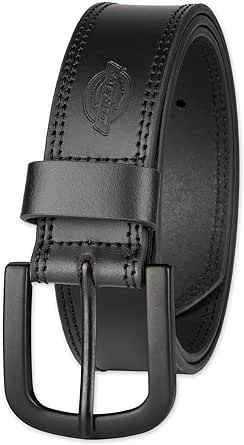 | Best for Light-Duty and Everyday Wear | Material: 100% Leather | Width: 1.5 inches | Adjustment Holes: 7 | VIEW LATEST PRICE | See Our Full Breakdown |
| Timberland PRO 38mm Leather Work Belt |  | Best for Work-to-Weekend Versatility | Material: 100% Genuine Leather | Width: 38mm (1.5 inches) | Care Instructions: Hand Wash Only | VIEW LATEST PRICE | See Our Full Breakdown |
| heavy-duty work belt | Material | Origin | Care | Sizing |
|---|---|---|---|---|
| Dickies Men’s Double Prong Lea | 100% Leather | Imported | Spot clean | — |
| Dickies Men’s Industrial Stren | — | Imported | Hand wash only | Order belt size 2 inches larger than pant size |
| CHAOREN Work Belts for Men | Full-grain leather | — | — | — |
| F&L Classic Leather Work Belt | Full grain cowhide leather | Made in the USA or Imported | Dry cloth clean | Measured from end of strap to middle hole; order one size up |
| Dickies Men’s Genuine Leather | 100% Leather | Imported | — | Available in various sizes including Big & Tall |
| Timberland PRO 38mm Leather Wo | 100% Genuine Leather | Imported | — | — |
More Details on Our Top Picks
Dickies Men’s Double Prong Leather Work Belt
When I weigh everything a heavy-duty work belt needs to do — hold up under daily abuse, stay put under a loaded tool pouch, and keep its shape after months on the job — this Dickies double prong model checks the most boxes. The full-grain-adjustable double perforation pattern means you get finer fit increments than the F&L Classic, which relies on more widely spaced holes, and the roller buckle genuinely reduces friction wear on the strap over time. Compared with the CHAOREN, this one leans more industrial than stylish, which is exactly what I want from a top pick in this category. The tradeoff is sizing: many buyers report needing to order two sizes up, and the spot-clean-only care adds a bit of upkeep. Still, for the price-to-durability ratio, this option makes the most sense for the widest range of workers.
Pros:- 100% leather strap holds up to daily heavy use without stretching
- Double prong roller buckle distributes load and resists slipping
- Fine adjustment perforations allow a more precise fit than most rivals
- Extended size range up to 3X (50-52) covers big and tall workers
Cons:- Sizing runs small — most buyers need to order two sizes up
- Spot clean only, so maintenance takes more effort than machine-friendly alternatives
Best for: Tradespeople and warehouse workers who need a no-nonsense daily belt that survives tool pouches and repetitive strain
Not ideal for: Anyone wanting a refined dress-adjacent look — the double-prong industrial styling reads purely workwear
- Material:100% Leather
- Buckle Type:Double prong roller buckle
- Adjustability:Fully adjustable with double perforation
- Care:Spot clean
- Sizes:Small (30-32) through 3X (50-52)
- Origin:Imported
Our verdict“If you want one belt that balances durability, fit precision, and price better than anything else here, this is the one to buy — just size up.”
Dickies Men’s Industrial Strength Leather Belt – Workwear, Durable, Reinforced, Heavyweight
Not everyone wants to pay full-grain prices for a belt that’s going to get covered in jobsite grime, and that’s where this Industrial Strength model earns its spot. The reinforced, heavyweight strap delivers most of the stiffness and support of the Double Prong Dickies above, but at a noticeably lower price point. The catch is material honesty: it’s a bonded leather blend (only 30% GRS bonded leather, mixed with PU, split leather, and polyester), so it won’t age or take abuse quite like the full-grain CHAOREN or F&L belts. I’d call it the smart buy for high-turnover environments — think shops where belts get scratched, painted, or replaced often. Hand wash only is a mild annoyance, but at this price, replacing it every couple of years still comes out ahead.
Pros:- Noticeably cheaper than full-grain competitors while still reinforced for heavy use
- Heavyweight strap resists rolling and folding under tool weight
- Classic 1.5-inch width fits standard work pants and most belt loops
- Clear sizing guidance (belt size = pant size + 2 inches) reduces ordering mistakes
Cons:- Bonded leather blend lacks the longevity of full-grain options like the CHAOREN
- Hand wash only care requirement is more restrictive than dry-cloth alternatives
Best for: Budget-minded workers in rough environments who expect belts to get wrecked and prefer cheap replacement cycles over premium longevity
Not ideal for: Buyers seeking a buy-it-for-life full-grain belt — the bonded construction will crack and peel years before solid leather would
- Fabric Type:20% PU, 30% GRS bonded leather, 20% split leather, 30% polyester
- Belt Width:1.5 inches
- Sizing:Order belt size 2 inches larger than pant size
- Care:Hand wash only
- Construction:Reinforced, heavyweight strap
- Origin:Imported
Our verdict“The smart money pick if you burn through belts fast and would rather replace a cheap one than baby an expensive one.”
CHAOREN Work Belts for Men, Leather Belt Heavy Duty for Daily Wear
Of everything in this lineup, the CHAOREN is the one I’d point to for buyers who care about leather quality first. It’s the only option here cut from premium full-grain leather at 3.8mm thick, which means it resists cracking and stretching in a way the bonded-strap Dickies Industrial Strength simply can’t match. The vintage double-prong zinc alloy buckle gives it more character than the plain workwear aesthetic of the Dickies Double Prong, so it doubles better as an everyday casual belt. That quality comes with two costs: a higher price and ongoing maintenance — full-grain leather needs conditioning to stay supple, and skipping that will shorten its life. Compared with the F&L, styling is where they split: the CHAOREN is more rugged-vintage, while the F&L leans cleaner and closer to dress-appropriate.
Pros:- Full-grain leather construction is the most crack-resistant material in this roundup
- 3.8mm thickness provides real stiffness for supporting tool loads
- Precision-spaced holes allow finer fit adjustment than standard belts
- Vintage double-prong design works as casual wear, not just workwear
Cons:- Requires periodic leather conditioning to prevent drying and cracking
- Rugged vintage styling is too casual for formal or dress settings
Best for: Buyers who want one belt that works hard Monday through Friday and still looks good on the weekend, and who don’t mind leather care
Not ideal for: Anyone who wants zero-maintenance gear — this belt rewards conditioning and punishes neglect
- Material:Full-grain leather
- Thickness:3.8mm
- Buckle:Double-prong zinc alloy
- Adjustability:Full-length with precision-spaced holes
- Style:Vintage-inspired, work-to-casual
- Maintenance:Requires periodic conditioning
Our verdict“The pick for buyers who see a belt as a long-term investment and want the best raw leather in the group, maintenance included.”
F&L Classic Leather Work Belt, Heavy Duty Double Prong Full Grain Leather Belt for Men 1.5″
The F&L occupies a niche the others don’t: it’s a handcrafted full-grain belt built heavy enough for work but finished cleanly enough to wear with chinos or a sport coat. Where the CHAOREN leans obviously vintage and the Dickies options read purely industrial, this one’s steel roller buckle and refined edges let it pass at a job site or dinner without looking out of place. The developing patina is part of the appeal for leather enthusiasts — but that’s also the tradeoff, since the strap darkens and changes character over years, which not every buyer wants. Sizing also demands attention: it’s measured to the middle hole and most buyers should go one size up, which is a common annoyance compared with the Dickies Industrial Strength’s simple two-inch rule.
Pros:- Full grain cowhide construction rivals the CHAOREN for long-term durability
- Handcrafted build quality with attention to edge finishing
- Steel roller buckle is both strong and visually clean enough for dress wear
- Versatile enough to replace two belts in your drawer
Cons:- Sizing to the middle hole confuses buyers and usually requires ordering a size up
- Patina development changes the belt’s appearance, which some won’t like
Best for: Office-adjacent tradespeople and buyers who want one belt spanning job sites, weekends, and dressier occasions
Not ideal for: Buyers who want a pristine, unchanged look — the patina and handcrafted irregularities will bother perfectionists
- Material:Full grain cowhide leather
- Width:1.5 inches
- Buckle Type:Heavy duty steel roller buckle, double prong
- Construction:Handcrafted
- Care:Dry cloth clean
- Sizing:Measured from end of strap to middle hole; order one size up
- Origin:Made in the USA or Imported
Our verdict“Buy this if you want work-belt toughness with the polish to wear beyond the job site — just measure carefully before ordering.”
Dickies Men’s Genuine Leather Work Casual Belt
This is the belt for workers whose days involve more bending, walking, and carrying than hauling tool belts — think delivery drivers, retail stockers, and maintenance staff. Its 100% leather strap with reinforced stitching is solid but noticeably lighter-duty than the Double Prong Dickies or the CHAOREN, which is precisely why it wins on all-day comfort. The seven adjustment holes give more fit flexibility than the F&L’s wider spacing, which matters if your waist shifts through the day or with layering. The standard 1.5-inch width and Big & Tall size availability make it one of the more inclusive options here. The honest tradeoff: hang a loaded tool pouch off this and it will flex and stretch sooner than the heavier belts in this guide — it’s a casual work belt, not a rigging belt.
Pros:- Seven adjustment holes offer finer fit tuning than most competitors
- 100% genuine leather with reinforced stitching at a mid-range price
- Big & Tall sizing covers buyers often ignored by other brands
- Classic styling transitions cleanly from work to casual settings
Cons:- Lighter-duty strap isn’t built for loaded tool pouches or heavy hanging loads
- Spot cleaning required to maintain appearance over time
Best for: Workers in light-to-medium duty jobs who prioritize all-day comfort and a classic look over maximum load support
Not ideal for: Framers, electricians, or anyone hanging a heavy tool pouch from their belt — it will flex and stretch faster than the heavyweight options
- Material:100% Leather
- Width:1.5 inches
- Adjustment Holes:7
- Construction:Reinforced stitching with sturdy metal buckle
- Sizing:Available in various sizes including Big & Tall
- Origin:Imported
Our verdict“A comfort-first choice for lighter trades and everyday wear — just don’t ask it to carry the loads the heavyweight belts handle.”
Timberland PRO 38mm Leather Work Belt
Not everyone wants a belt that screams jobsite, and that’s where this Timberland PRO option carves out its niche. At 38mm wide, it’s trimmer than the F&L Classic Full Grain belt and the Dickies Industrial Strength, which means it slips through standard pant loops easily and looks right at home with jeans on the weekend — something the chunkier double-prong options can’t pull off. The 100% genuine leather construction gives it a soft, smooth feel from day one, avoiding the stiff break-in period common with heavyweight work belts. The tradeoff is honest, though: this is a lighter-duty belt than the Dickies Industrial Strength, so tradespeople hanging heavy tool pouches all day will want more backbone. Hand-wash-only care and the need to order one size up add small frictions that pure workhorses in this roundup avoid.
Pros:- 100% genuine leather with a soft, broken-in feel from the start
- Slimmer 38mm width fits standard belt loops and works for casual wear
- Recognizable Timberland PRO build quality at a mid-range price
- Versatile styling that transitions from jobsite to weekend without looking industrial
Cons:- Hand-wash-only care is inconvenient for a belt that sees daily grime
- Runs small — you must order one size up for a proper fit
- Less rigid than dedicated heavyweight belts, so loaded tool rigs will sag
Best for: Office-adjacent tradespeople and weekend DIYers who want one belt that works on the job and looks natural with casual clothes
Not ideal for: Framers, electricians, or anyone carrying loaded tool pouches — the slimmer 38mm profile lacks the rigidity of dedicated heavyweights like the Dickies Industrial Strength
- Material:100% Genuine Leather
- Width:38mm (1.5 inches)
- Care Instructions:Hand Wash Only
- Origin:Imported
- Style:Work / Casual crossover
- Sizing Guidance:Order one size larger than usual
- Brand Line:Timberland PRO
Our verdict“Buy this if you split your time between light-duty work and everyday wear; skip it if your belt regularly carries a full tool load.”
How We Picked
I evaluated each belt against the demands that actually break work belts: load-bearing performance (how well the belt holds tool pouches, hammers, and tape measures without rolling or sagging), leather quality and thickness (full grain versus genuine versus bonded, and how each resists stretching and cracking), and buckle construction (roller buckles reduce friction wear on leather, and double-prong designs distribute load across two anchor points instead of one). I also weighed break-in time, sizing accuracy, and long-term value — a $50 belt that lasts five years beats a $20 belt replaced annually.
The ranking logic is straightforward: belts that combine thick, quality leather with load-spreading hardware ranked highest, because that combination is what separates a true work belt from a stiff dress belt. Mid-tier picks earned their spots by offering most of that performance at lower prices or with better everyday comfort. The lowest-ranked options are not bad belts — they simply serve lighter duties than the category name implies, and I flag exactly who each one still makes sense for.
| heavy-duty work belt | Care | Origin | Sizing | Construction |
|---|---|---|---|---|
| Dickies Men’s Double Prong Lea | Spot clean | Imported | — | — |
| Dickies Men’s Industrial Stren | Hand wash only | Imported | Order belt size 2 inches larger than pant size | Reinforced, heavyweight strap |
| CHAOREN Work Belts for Men | — | — | — | — |
| F&L Classic Leather Work Belt | Dry cloth clean | Made in the USA or Imported | Measured from end of strap to middle hole; order one size up | Handcrafted |
| Dickies Men’s Genuine Leather | — | Imported | Available in various sizes including Big & Tall | Reinforced stitching with sturdy metal buckle |
| Timberland PRO 38mm Leather Wo | — | Imported | — | — |
Factors to Consider When Choosing Heavy-duty Work Belts
Before settling on a specific belt, it helps to understand what actually separates a heavy-duty work belt from a regular leather belt — and where buyers most often go wrong. These are the factors that determined the rankings above, explained in more depth.
Leather Grade: Full Grain vs. Genuine vs. Bonded
This is the single biggest predictor of how long a work belt lasts. Full grain leather is the top layer of the hide, and its tight fiber structure resists stretching — which is why the F&L and Timberland PRO hold their shape under loaded tool pouches while bonded-leather belts develop a permanent sag within months. Genuine leather is a real middle tier (not a marketing guarantee of quality), and it performs adequately for daily wear without heavy attachments. Bonded leather is leather fiber glued together, and it is the material behind most sub-$20 belts that crack at the buckle holes. The common mistake is assuming a thick belt is a good belt — bonded leather can be thick and still fail fast. If you hang tools from your belt, full grain pays for itself; if you don’t, genuine leather saves you money with little downside.
Buckle Type and Why Double Prongs Matter
The buckle is where most belts fail, and the mechanism matters more than the metal finish. A single prong concentrates the entire load on one tongue and one hole, which stretches that hole into an oval and lets the belt slip under weight. A double prong splits the load across two tongues and two holes, roughly doubling the anchor points and dramatically reducing hole elongation. A roller buckle adds a rotating bar that lets the leather glide instead of scraping over a fixed bar, which cuts friction wear at the point where belts most often crack. The best heavy-duty designs combine both features. Buyers frequently upgrade the leather and ignore the buckle, then wonder why the belt still slips — if you carry tool weight, treat double prongs or a roller as non-negotiable.
Thickness and Stiffness: The Comfort Tradeoff
Belt thickness typically ranges from about 3mm (dress-adjacent) to 5mm+ (genuinely rigid), and every millimeter changes the wearing experience. Thick, stiff belts carry tool pouches without rolling or folding at the hip — that rigidity is a feature, not a flaw, for framers and electricians. But stiffness comes at a cost: a 5mm full grain belt can take two to four weeks to break in and may dig into your hips during that period, especially if you bend and crouch all day. Thinner belts around 3–4mm are comfortable immediately but flex under a loaded pouch, letting gear shift and sag. The mistake I see most often is maximum stiffness chosen by office-adjacent workers who never hang anything from the belt. Match the stiffness to your actual load, not to the word “heavy-duty” on the label.
Width and Hardware Compatibility
Nearly all heavy-duty work belts are 1.5 inches wide, but real-world measurements vary, and a belt that runs even slightly wide will fight your pants’ belt loops all day and refuse to slide through tool-clip attachments. The Timberland PRO’s precise 38mm width exists precisely because of this problem — tradespeople need a belt that passes cleanly through hammer loops and pouch straps without forcing. Also check the buckle’s depth profile: a tall double-prong buckle can catch on seatbelts, harnesses, and machinery guards. If you wear a tool belt or suspenders over your work belt, a flatter, low-profile buckle makes layering far more comfortable. Measure your pants’ loops if you’re unsure; it takes thirty seconds and prevents the most common return reason in this category.
Sizing Accuracy and Adjustment Range
Work belt sizing is inconsistent across brands, and buying your pants size is the fastest way to get a belt that’s too small — especially if you layer it over work pants, a tool belt, or winter layers. A good rule is to order one to two inches above your pants waist size, or better, check the brand’s specific sizing chart rather than a generic conversion. The number of punched holes matters too: more holes means more adjustment range for weight fluctuation and seasonal layering, and some belts allow you to punch your own holes in thick leather, which requires a proper leather punch, not a nail. Avoid belts sized as generic S/M/L, which force you into whatever hole placement the factory chose. The sizing complaints in this category outnumber quality complaints by a wide margin, and nearly all of them are avoidable.
When to Pay More — and When Not To
The honest price tiers in this category are roughly $20–25 (budget daily-wear), $30–40 (serious work belts), and $50+ (premium full grain). Paying up makes sense when you hang tools from the belt daily — the premium tier’s full grain leather and reinforced stitching genuinely lasts years longer under load, which lowers your cost per wear dramatically. Paying up makes less sense if you need a belt for work pants without attachments; a mid-tier genuine leather belt handles that job indefinitely. The mistake to avoid is the reverse economy: buying a $15 bonded-leather belt every year because it keeps cracking means you spend more over five years than one premium belt costs. Also watch for warranty terms — brands that stand behind their belts for life tend to build them to survive that promise.
Frequently Asked Questions
Can I use a heavy-duty work belt with a tool pouch, or do I need a dedicated tool belt?
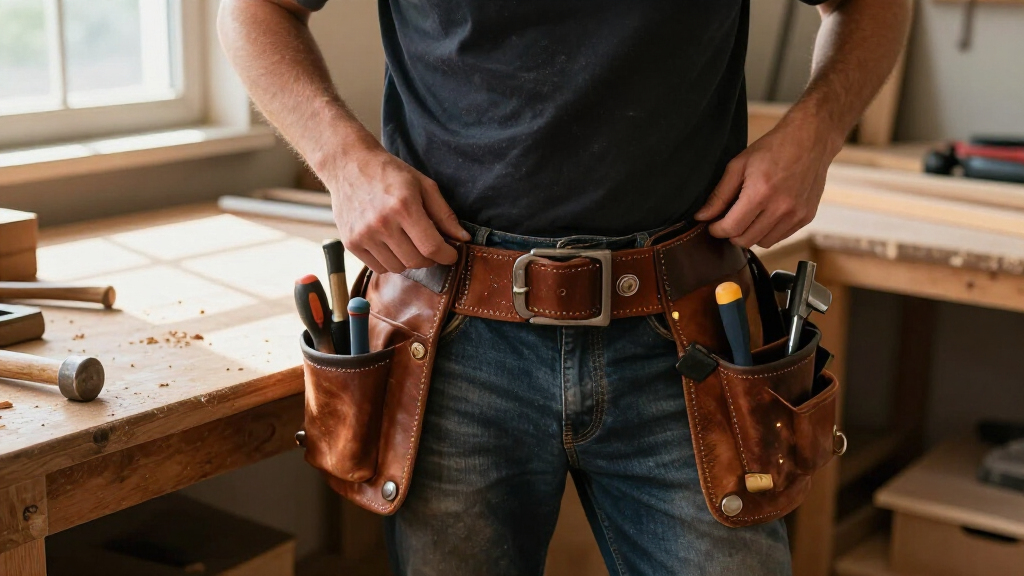
For light tool loads — a tape measure, a hammer, a small pouch — a stiff double-prong work belt like the Dickies Double Prong or F&L handles the weight without issue, and many tradespeople run exactly this setup. The problem appears with heavier loads: a standard 1.5-inch belt flexes and rolls under a fully loaded setup, shifting your gear and digging into your hips. Dedicated tool belts use wider, padded platforms with integrated suspenders that transfer weight to your shoulders, which no standard work belt can match. My rule of thumb: if your gear weighs more than a few pounds total or you wear it all day every day, step up to a dedicated system. If it’s a handful of essentials, a rigid work belt is more versatile because you can wear it off the job too.
Why do the belt holes on my work belts keep stretching out, and how do I stop it?
Hole elongation comes from concentrating the entire load on a single prong tongue, which slowly levers the hole into an oval — especially in softer genuine or bonded leather. The fix is mechanical, not behavioral: a double-prong buckle splits the load across two holes, roughly halving the force on each one, and a roller buckle reduces the friction that accelerates wear at the tail. Leather conditioner also helps somewhat by keeping the leather from drying brittle, though it won’t stop a heavily loaded single-prong belt from stretching. If your current belt is already showing ovals, rotating to a different hole only delays the problem. This is the main reason double-prong models dominate the top of this roundup for anyone carrying tool weight.
Are the three Dickies belts in this roundup actually different, or is it the same belt with different marketing?
They are genuinely different products, and the differences matter more than the shared brand name suggests. The Industrial Strength version is the thickest and stiffest of the three, built for loaded workwear; the Double Prong version sits in the middle with excellent load-spreading hardware and slightly more everyday comfort; and the Casual version is the lightest, aimed at work-adjacent wear rather than hanging tools. Treating them as interchangeable is how buyers end up disappointed — someone who bought the Casual expecting Industrial performance feels cheated, when really they bought the wrong tier. The price gaps between them are small, so the decision should come down to your actual load, not saving a few dollars. In my ranking, the Double Prong hits the best balance, while the other two serve specific extremes.
How do I break in a stiff full grain work belt without ruining it?
The safest method is simply wearing it — full grain leather conforms to your body over two to four weeks of regular use, and the result is a belt that fits you better than any factory-broken-in alternative. You can speed things up by flexing the belt gently back and forth along its length with your hands, working the fibers without creasing the leather. Avoid the classic mistakes: soaking it in water (which hardens and can crack leather as it dries), heating it with a dryer (which dries out the oils), or over-applying conditioner (which softens the belt and reduces the stiffness you paid for). A light application of leather conditioner every few months maintains suppleness without sacrificing structure. The break-in period is the price of admission for full grain, and belts like the F&L reward it with years of shape retention that pre-softened belts can’t match.
Is it worth paying $50+ for a premium work belt when budget options exist?
It depends entirely on what hangs from the belt. If you carry tool pouches daily, the math favors premium: a full grain belt’s fiber structure resists the stretching that ruins budget belts within a year, so a $50 belt lasting five years costs less per year than replacing a $20 belt annually. If your belt carries nothing but your pants, the premium tier buys durability you’ll never stress — a mid-tier genuine leather option like the CHAOREN handles daily wear for years at half the price. The pattern across this roundup was consistent: the premium models won on stiffness retention and load performance, not on looks or comfort. Pay for the load you actually carry, and the value question answers itself.
Conclusion
The right pick here depends on what your belt actually carries. For best overall, the Dickies Double Prong Leather Work Belt balances stiffness, load-spreading hardware, and price better than anything else in the lineup. For best value, the CHAOREN Heavy Duty Belt covers daily wear at a budget price — just don’t hang heavy tools from it. For best premium, the F&L Full Grain Double Prong Belt is the stiffest, longest-lasting option for tradespeople who load their belt every day. For beginners or anyone unsure how much belt they need, the Dickies Casual Belt offers an easy, comfortable entry point, while the Timberland PRO 38mm is the best pick for tool-layer compatibility with its precise width and low-profile fit. And if you want maximum stiffness without the premium price, the Dickies Industrial Strength splits the difference. Buy for the load you carry, check the sizing chart before ordering, and any of these belts will outlast the cheap department-store alternative several times over.
Fall yard work Picks
leaf blowers
As an affiliate, we earn on qualifying purchases.