
TL;DR
Get ready for Prime Big Deal Days — try Prime free
Exclusive member deals on October 6–7, plus fast free delivery. Cancel anytime.
Start your free trialAs an affiliate, we earn on qualifying purchases.
Rust in a tool chest comes from moisture and poor storage. Using protective coatings, moisture control, and regular maintenance can keep your tools corrosion-free for years. It’s easier than you think to prevent rust before it starts.
If you’ve ever opened your tool chest only to find a rusty wrench or a corroded screwdriver, you’re not alone. Rust sneaks in quietly, especially in humid environments, and can ruin your tools faster than you expect. But preventing rust isn’t magic — it’s about understanding what causes it and taking simple, practical steps to stop it in its tracks.
This guide will walk you through proven methods to keep your tool chest free of rust. From choosing the right storage materials to controlling moisture and maintaining your tools, you’ll learn how to protect your investment and extend the life of your gear.
Choose a rust-resistant material or finish for your tool chest, like stainless steel or powder coating.
Keep moisture out with silica gel packs or a small dehumidifier, especially in humid environments.
Always wipe tools dry before storing, and organize to promote airflow.
Apply light coats of oil or rust inhibitors regularly to create a moisture barrier.
Inspect your storage monthly. Catch rust early and reapply protective layers as needed.
Choose the Right Material and Finish for Your Tool Chest
The first step in preventing rust is selecting a tool chest made from materials that resist corrosion. Steel and cast iron are common but prone to rust because they oxidize readily when exposed to moisture. Opting for stainless steel or aluminum is a smarter choice because these materials naturally form a protective oxide layer that prevents further corrosion, especially in humid conditions. This initial investment can save you money and frustration over time.
If you already own a metal chest, consider applying a durable powder coating or enamel paint. These coatings act as a physical barrier, blocking moisture from reaching the metal surface. For example, a powder-coated steel chest can withstand the humid environment of a garage or basement much better than uncoated metal, significantly reducing rust formation.
Real-world tip: In a coastal region, a steel chest with a ceramic-based coating proved to withstand salt air exposure for years without rusting, highlighting how the right finish can extend the lifespan of your storage.
Tradeoff considerations: While stainless steel and aluminum resist rust better, they tend to be more expensive upfront. Coatings and finishes require proper application and maintenance but are cost-effective ways to protect existing chests. Balancing initial investment with long-term durability is key to choosing the best material for your environment.
tool chest rust prevention coating
As an affiliate, we earn on qualifying purchases.
As an affiliate, we earn on qualifying purchases.
Control Environment Conditions Inside Your Storage
Moisture is the primary catalyst for rust, especially in enclosed spaces like tool chests. High humidity levels create an environment where water vapor condenses on metal surfaces, initiating corrosion. Using a dehumidifier or silica gel packs inside the chest reduces this moisture, but understanding why this matters helps you appreciate the importance of environmental control. Lower humidity not only slows rust formation but also preserves the integrity of coatings and paints, prolonging their protective effect.
For instance, placing silica gel packs in your toolbox can reduce humidity by up to 40%, which might seem modest but has a significant impact over time. The key is consistent moisture management: fluctuations in temperature cause condensation, which accelerates rust. Keeping your garage or workspace climate stable—using insulation or climate control—further minimizes this risk, especially in regions prone to temperature swings.
Pro tip: In a damp basement, adding a small dehumidifier kept humidity below 50%. This simple step nearly halved rust formation on stored tools, demonstrating how controlling the environment directly influences rust prevention.
Tradeoff considerations: Dehumidifiers and silica gel packs involve upfront costs and periodic replacement or recharging. However, their ability to create a stable, moisture-controlled environment makes them invaluable in high-humidity areas, ultimately saving money on tool replacement and repair.
As an affiliate, we earn on qualifying purchases.
Store and Maintain Tools Properly to Prevent Rust
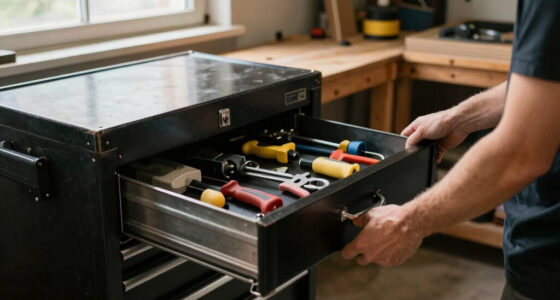
Proper storage is crucial because even the most rust-resistant chest cannot compensate for poor tool care. Wiping tools dry after use removes residual moisture that can cause rust if left unchecked. Using liners, foam padding, or individual compartments prevents metal-on-metal contact, which can scratch protective coatings and expose bare metal to moisture, accelerating corrosion. Additionally, organizing tools to allow airflow facilitates evaporation of any moisture that does settle, reducing the likelihood of rust spots forming.
Consider hanging tools or using compartmentalized drawers—these methods promote air circulation and prevent moisture traps. For example, a mechanic who stored his wrenches in a foam-lined drawer noticed a significant reduction in rust, even during humid summer months. This is because proper organization minimizes moisture retention and physical damage to coatings.
Tradeoff considerations: While meticulous organization and drying are simple, they require discipline and routine. Neglecting these steps can lead to rust, even with other protective measures in place. Regularly inspecting and maintaining your storage setup ensures ongoing protection, which is often more effective than occasional treatments.
As an affiliate, we earn on qualifying purchases.
Apply Protective Coatings and Rust Inhibitors
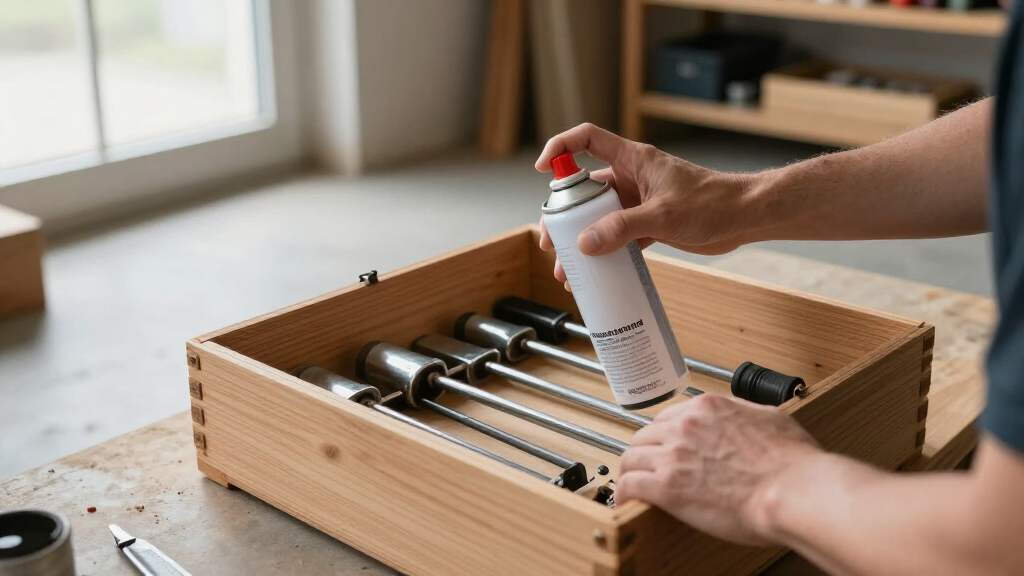
Protective oils and rust inhibitors serve as a frontline defense by creating a moisture-resistant barrier on your tools. Lightly coating tools with mineral oil or WD-40 prevents water from coming into direct contact with metal surfaces, which is critical in humid environments. Regular reapplication—every few months—maintains this protective layer, especially during rainy seasons or in high-humidity areas. For the interior of your tool chest, applying a rust-inhibiting spray or wax can significantly slow down oxidation processes and provide ongoing protection.
Using these products consistently transforms the surface of your tools into a shield against moisture, reducing the chance of rust developing in the first place. In a workshop, a daily wipe-down with oil kept tools shiny and rust-free for years, even under adverse weather conditions. The key is regular maintenance—think of it as giving your tools a protective coat of armor that needs occasional reinforcement.
Tradeoff considerations: While applying oils and inhibitors is straightforward, overuse can lead to a greasy buildup that attracts dirt and debris. Finding the right balance and cleaning tools before storage helps maximize their effectiveness without creating messes. The investment in routine application pays off by extending the life of your tools and maintaining their performance.
As an affiliate, we earn on qualifying purchases.
Regularly Inspect and Maintain Your Storage
Prevention is most effective when it’s proactive. Regular inspections—monthly or more frequently in humid environments—allow you to catch early signs of rust or moisture buildup before they cause significant damage. Tiny rust spots can rapidly spread if ignored, compromising tool integrity and making future repairs more difficult and costly. Early detection through routine checks enables you to remove rust with a wire brush or rust remover and immediately reapply protective coatings, preventing further corrosion.
Maintaining a dry environment is equally important. Rechecking silica gel packs and replacing them if saturated ensures continued moisture absorption. This proactive approach extends the lifespan of your tools by preventing rust from taking hold, saving money and effort over time.
For example, a carpenter’s monthly check routine kept rust at bay even in a humid southern climate, avoiding costly replacements and ensuring his tools remained reliable. The key is consistency—making inspections a habit, not an exception.
Tradeoff considerations: Regular inspections require discipline and time but provide invaluable early warning. Neglecting this step often results in rust becoming embedded, leading to expensive repairs or replacements. The upfront effort pays dividends in long-term tool health and safety.
Compare Rust Prevention Methods Side by Side
| Method | Pros | Cons |
|---|---|---|
| Protective Coatings (paint, powder) | Creates a durable barrier that resists moisture; long-lasting if applied properly | Proper application is essential; chipping or peeling can expose metal to moisture |
| Oil or Rust Inhibitors | Easy to apply and reapply; affordable and accessible for most users | Reapplication needed periodically; can be messy and attract dirt if overused |
| Moisture Control (silica gel, dehumidifier) | Most effective long-term solution by actively reducing humidity; prevents moisture from settling | Initial cost and ongoing maintenance; requires energy or replacement |
| Proper Storage & Maintenance | Prevents rust before it starts; promotes good habits that extend all other methods’ effectiveness | Requires discipline, routine, and attention; less immediate impact without complementary methods |
Frequently Asked Questions
What is the best way to prevent rust in a tool chest?
Combine moisture control with protective coatings, keep tools dry, and inspect regularly. Using silica gel packs and applying oil on tools makes a big difference.Can I use household products like vinegar or baking soda to prevent rust?
They help clean existing rust, but aren’t long-term preventatives. Stick to rust inhibitors or oils for ongoing protection.How often should I check for rust or moisture?
Monthly inspections are ideal, especially if you work in humid or coastal areas. Quick checks help catch problems early.Are rust-proof tool chests worth it?
Stainless steel or aluminum chests resist rust naturally but tend to cost more. They’re a good investment for high-humidity environments.What’s the first thing I should do if I find rust on my tools?
Remove rust with a wire brush or rust remover, then reapply a protective coating. Improve storage conditions to prevent recurrence.Conclusion
Rust doesn’t have to be your tool chest’s worst enemy. By controlling moisture, choosing the right storage materials, and maintaining your tools, you can keep corrosion at bay. Think of it as giving your tools a shield — simple, affordable, and worth every effort.
Next time you open your chest, imagine it as a fortress guarding your tools. Keep it dry, clean, and protected — your tools will thank you with years of reliable service.
Fall Picks
fall essentials
As an affiliate, we earn on qualifying purchases.