TL;DR

Get business pricing on tools and workshop supplies
- Business-only prices and quantity discounts
- Tax-exempt purchasing
- Multiple users, one account, clear invoices
Casters make tool cabinets easy to move and reposition. Choosing the right caster depends on load capacity, floor type, and desired maneuverability—plus regular maintenance extends their lifespan.
Always choose casters rated at least 25% higher than your cabinet’s weight for safety and durability.
Larger wheels (4-6 inches) provide smoother rolling over uneven surfaces, reducing effort and floor wear.
Prioritize locking features—both for safety and to prevent accidental movement when parked.
Match wheel material to your floor type: rubber for delicate floors, polyurethane for durability, metal for industrial use.
Regular maintenance—cleaning, lubrication, and inspection—extends caster life and keeps your workspace moving.
Casters Explained for Tool Cabinets
The right wheels turn a stubborn storage box into a smooth, rollable workhorse. Match capacity, material, diameter, movement and mounting to protect your back, your tools and your floor.
Specify at least 25% more load capacity than the cabinet’s actual loaded weight.
Choose how the cabinet should move
Caster geometry determines whether the cabinet tracks predictably, pivots in a confined bay or remains securely parked during work.
Fixed
Moves along one axis. Stable and predictable where frequent turning is unnecessary.
Best: stable storage →Swivel
Rotates through 360 degrees for maneuvering around benches and tight corners.
Best: compact spaces ↻Locking
Uses a brake to prevent unintended rolling; some models also lock the swivel.
Best: active work bays ■Rigid
A robust fixed format designed for efficient long pushes in a straight path.
Best: long aisles →→Wheel material changes the ride
Softer tread protects finished floors and reduces noise. Harder wheels favor capacity, low rolling resistance and demanding industrial conditions.
| Material | Floor protection | Load strength | Chemical resistance | Best environment | Watch for |
|---|---|---|---|---|---|
| Rubber | ✓ Excellent | ~ Moderate | ✗ Limited | Hardwood, epoxy, tile | Compression under high loads |
| Polyurethane | ✓ Very good | ✓ High | ✓ High | Concrete and mixed-use shops | Higher purchase price |
| Nylon | ~ Fair | ✓ High | ✓ High | Smooth indoor surfaces | Noise and hard-floor marking |
| Metal | ✗ Poor | ✓ Extreme | ✓ High | Rugged industrial sites | Floor damage and vibration |
Rule of thumb: rubber favors the floor; polyurethane balances protection and durability; metal favors extreme load and terrain.
Pick the right caster in five checks
Work from the loaded cabinet outward. Capacity comes first; movement, floor, diameter and mounting refine the specification.
Weigh the load
Add cabinet, tools, drawers and accessories.
Add 25%
Build in a margin for safety, wear and future tools.
Read the floor
Match wheel softness and durability to the surface.
Set mobility
Choose swivel, rigid and locking behavior.
Match the mount
Confirm top plate, stem or bolt-on dimensions.
Size for the real load—not the empty cabinet
A higher rating reduces bearing stress, improves rolling behavior and creates room for future additions or accidental overload.
Example: A 500 lb loaded cabinet needs at least 625 lb of total rated capacity. Selecting 650 lb or more provides a practical specification margin.
Bigger wheels clear obstacles more easily
Diameter affects push effort, vibration and the ability to cross cracks, thresholds, cords and rough concrete.
Compact
Keeps cabinet height low. Best on smooth, clean floors with light loads and few obstacles.
Workshop balance
A useful midpoint for everyday cabinets, moderate seams and regular repositioning.
Rough-surface control
Reduces effort over uneven concrete and thresholds, especially with heavier loaded cabinets.
A good specification creates a safer workflow
Each decision connects to the next. Start with reality at the cabinet and finish with reliable movement across the workspace.
Keep every wheel rolling smoothly
Routine attention prevents drag, wobble and premature failure. Outdoor and rugged applications also benefit from sealed bearings and corrosion-resistant frames.
Clear debris
Remove hair, wire, grit and chips wrapped around the axle or tread.
Lubricate
Treat bearings and swivel races with a suitable workshop lubricant.
Check hardware
Verify mounting bolts, plates, stems and brake mechanisms remain secure.
Replace damage
Swap cracked, flat-spotted, seized or wobbling wheels before they fail.
Stop and inspect: squealing, increased push effort, uneven tracking or wheel wobble can signal debris, dry bearings, loosened hardware or structural wear.
What Are Casters and Why Do They Matter for Tool Cabinets?
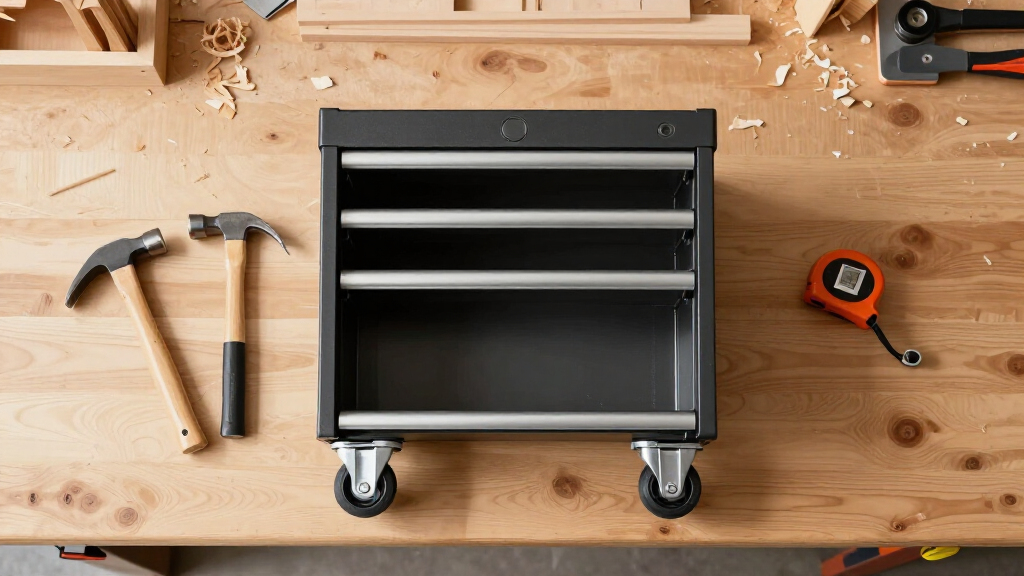
Casters are the small wheels attached to the bottom of your tool cabinet. They’re the secret sauce behind effortless moves across concrete, tile, or hardwood floors. Imagine rolling a 300-pound cabinet with ease—no strain, no damage. Casters matter because they turn a static storage unit into a flexible, workspace-friendly tool. Without the right wheels, even a lightweight cabinet can feel like a dead weight, forcing you to lift or drag.
Choosing the appropriate casters is crucial because it directly impacts the safety and efficiency of your workspace. High-quality casters reduce the risk of injury from lifting heavy loads and prevent floor damage caused by improper wheels. They also influence how easily you can reposition your storage, which can save time and reduce fatigue during setup or reorganization. The right caster selection balances load capacity, ease of movement, and floor compatibility, ensuring your workspace remains safe, functional, and protected from unnecessary wear.
heavy duty caster wheels for tool cabinets
As an affiliate, we earn on qualifying purchases.
As an affiliate, we earn on qualifying purchases.
Different Types of Casters and When to Use Them
Choosing the right type of caster depends on how you want to move your cabinet and what surface you’re rolling on. Here’s a quick rundown:
| Type | How It Works | Best For |
|---|---|---|
| Fixed Casters | Move in a straight line only | Stationary positioning, stable storage |
| Swivel Casters | Rotate 360° for tight turns | Flexible movement around tight spaces |
| Locking Casters | Lock to prevent movement | Safety when parked, preventing accidental rolling |
| Rigid Casters | Similar to fixed, for straight lines | Long-distance pushes in a straight path |
For example, if you often need to reposition your cabinet in tight corners, swivel casters with locks are ideal because they combine maneuverability with stability. Conversely, fixed or rigid casters are better suited for applications where the cabinet needs to stay in one place or move along a straight path with minimal effort. Understanding these differences helps you choose casters that match your specific workflow, reducing frustration and increasing safety during movement.
locking rubber casters for workshop carts
As an affiliate, we earn on qualifying purchases.
As an affiliate, we earn on qualifying purchases.
Materials Matter: Which Wheel Is Best for Your Floor?
Wheels are made from rubber, polyurethane, nylon, or metal—each with its own perks. Rubber wheels are soft and gentle on delicate floors like epoxy or hardwood, reducing scratches and gouges. Polyurethane wheels are tougher, resisting chemicals and providing a smooth ride on concrete. Nylon wheels are lightweight but durable, great for indoor use. Metal wheels are heavy-duty, perfect for industrial environments but can scratch softer surfaces.
Choosing the right material is critical because it affects both the longevity of your casters and the condition of your floors. For delicate finishes like hardwood or epoxy, softer rubber or polyurethane wheels help prevent surface damage, which can be costly to repair. On the other hand, metal wheels are suitable for rugged, outdoor, or industrial environments where durability and strength outweigh floor concerns. The right choice balances floor safety, load capacity, and the working environment, ensuring your tool cabinet moves smoothly without unintended damage or premature wear.
industrial polyurethane casters for tool storage
As an affiliate, we earn on qualifying purchases.
As an affiliate, we earn on qualifying purchases.
How to Pick the Right Casters for Your Tool Cabinet
- Calculate the total weight of your cabinet plus tools and accessories. Pick casters rated at least 25% higher than that weight.
- Consider your floor type—soft floors need softer wheels like rubber or polyurethane.
- Decide if you want locking features for safety or stability.
- Choose wheel size: larger wheels (4-6 inches) roll better over uneven surfaces.
- Check mounting options—top plate, stem, or bolt-on—to fit your cabinet’s design.
For example, if you have a 500-pound cabinet on a concrete floor, look for casters rated for 650 pounds or more. Prioritize locking casters if you often park your cabinet in one spot. Keep in mind that selecting a caster with a slightly higher weight rating than your current load provides a margin of safety, accommodating future additions or accidental overloads without risking failure or damage.
4 inch swivel caster wheels for tool chests
As an affiliate, we earn on qualifying purchases.
As an affiliate, we earn on qualifying purchases.
Maintaining Your Casters: Keep Them Rolling Smoothly
Regular upkeep is key. Clean debris and hair from wheels to prevent sticking. Lubricate bearings and moving parts every few months to avoid squeaks and seize-ups. Inspect for wear or cracks—replacing worn casters prevents accidents and floor damage. If a wheel starts to wobble or squeal, it’s time for a swap.
Maintaining your casters isn’t just about cleanliness—it’s about ensuring consistent performance and safety. Dirty or gummed-up wheels can cause uneven rolling, increasing effort and risking damage to both the caster and your floors. Lubrication reduces friction, extends the lifespan of moving parts, and prevents squeaks that can be distracting or signal impending failure. Regular inspections catch issues early, allowing you to replace worn components before they compromise safety or cause costly floor repairs. Proper maintenance ultimately preserves the investment in quality casters and keeps your workspace flowing smoothly.
Heavy-Duty Casters for Rugged or Outdoor Use
If your workshop is outdoors or handles rugged terrain, standard casters won’t cut it. Heavy-duty, corrosion-resistant wheels made from polyurethane or specialized thermoplastics handle mud, water, and rough surfaces. Look for models with sealed bearings to prevent dirt ingress. These casters support over 1,000 pounds per wheel, perfect for industrial-grade tool cabinets or mobile workstations in tough environments.
Investing in heavy-duty casters means prioritizing durability and resistance to the elements. Corrosion-resistant materials extend the lifespan of your wheels, especially in outdoor or humid environments, preventing rust and degradation that can lead to failure. Sealed bearings protect internal components from dirt and moisture, reducing maintenance needs and preventing seizure. While these casters are more expensive upfront, their ability to handle extreme conditions and heavy loads makes them essential for demanding settings, ensuring your tool cabinet remains mobile and functional regardless of terrain or weather.
Frequently Asked Questions
How do I know what load capacity my casters need?
Add up the weight of your cabinet plus tools, then pick casters rated at least 25% higher. That extra cushion keeps everything rolling safely.Can I replace my existing casters myself?
Absolutely. Most tool cabinets have standard mounting options. Just match the size and mounting type, and you’re good to go.What’s better for hardwood floors—rubber or polyurethane wheels?
Rubber wheels are softer and gentler, ideal for delicate floors. Polyurethane wheels are tougher and still gentle enough for most surfaces, offering a good balance of protection and durability.How often should I clean and lubricate my casters?
Check monthly, especially if you move your cabinet frequently. Clean debris and apply a few drops of lubricant to keep wheels spinning smoothly—more often if you notice squeaks or resistance.Are outdoor or rugged casters worth it for my garage?
Yes. Heavy-duty, corrosion-resistant casters handle water, mud, and rough terrain better, keeping your tool cabinet mobile in tough environments.Conclusion
Your tool cabinet is only as mobile as its wheels. Picking the right casters isn’t just about moving furniture; it’s about protecting your floors, saving your back, and keeping your workspace flexible. Invest a little time now, and your tools will roll smoothly for years to come. Ready to give your setup a mobility boost?Halloween Picks
halloween
As an affiliate, we earn on qualifying purchases.