
TL;DR

Get business pricing on tools and workshop supplies
- Business-only prices and quantity discounts
- Tax-exempt purchasing
- Multiple users, one account, clear invoices
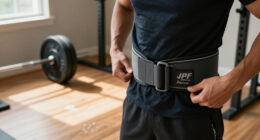
Choose a back support belt for work by matching it to your tasks, checking that it fits securely without pain or restricted movement, and following product or clinician guidance. Research has not established that routinely wearing back belts prevents workplace back injuries in workers without a prior injury, so employers should also reduce heavy loads and awkward movements with better task design and lifting equipment.
A belt can feel reassuring when you lift a crate from a cold warehouse floor, but that feeling does not make a heavy or awkward lift safe. A work back support belt may offer comfort or a reminder to pay attention to your movement; it cannot take the load off your hands or fix a cramped work area.
This guide explains how to choose a belt by looking at your job, fit, comfort, materials, and health needs. You’ll also learn what current evidence does and doesn’t say, and what to change at work when a belt alone won’t address the strain.
Choose by the movements and conditions of your shift, including heat, bending, lifting, and other waist-worn gear.
Follow the manufacturer’s fitting instructions; the belt should stay secure without pain, pinching, restricted breathing, or limited movement.
Routine belt use has not been established as a reliable way to prevent workplace back injuries in workers without a prior injury.
Don’t assume extra straps or longer wear provide extra protection; follow product directions and clinician advice.
Employers should reduce heavy loads and awkward or repetitive movements with practical changes to task design and equipment.
Workplace guide / Back support
How to Choose a Back Support Belt for Work
Match the belt to your tasks, check that it fits without pain or restricted movement, and follow product or clinician guidance. A belt may offer comfort or a movement reminder; workplace changes address the demands of the job itself.
01 / Start with the job
Match the belt to the work you actually do
Consider the movements and conditions across a full shift. A belt that feels supportive while standing still may pinch, catch, or restrict you once you bend, reach, sit, or work in heat.
Movement
Bending, twisting & reaching
Try the positions your task requires. If the belt interferes with movement, you may compensate elsewhere or find the task harder.
Conditions
Heat, layers & long shifts
Compare fabric weight and breathability. Check fit with the clothing you wear; a thick belt may feel clammy in heat or bulky under layers.
Other gear
Tools, harnesses & PPE
Account for tool belts, aprons, harnesses, and required protective equipment. Shared waist space can create pressure or interference.
Features are tradeoffs. More straps or a stiffer design do not automatically mean better support. Prioritize adjustability, ease of removal, and comfort while doing real tasks.
02 / Fit & comfort
Check fit before judging support
Follow the manufacturer’s sizing and fitting instructions. Test the belt in work positions, not only while standing in front of a mirror.
A secure fit should not pinch, slip, cause pain, restrict breathing, or limit movement. Check how the closure behaves when you sit in a vehicle, reach toward a shelf, bend, and take a full breath.
If the edge digs into your ribs or the belt shifts as you turn, check the size, placement, and design. Tightening it further can create pressure; more tension does not automatically mean more support.
- Measure and choose a size using the product’s chart.
- Fasten and position it as directed, without sharp pressure points.
- Move through normal work positions and check comfort and breathing.
- Readjust or remove it if pain, numbness, skin irritation, or other concerning symptoms occur.
03 / A practical sequence
Choose, test, then reassess
Use these checks to judge whether a belt suits your needs. If no design lets you work comfortably, review the task setup as well.
List the demands
Note lifting frequency, carrying, bending, twisting, reaching, heat, and other waist-worn equipment.
Compare practical features
Consider fit, closure, adjustability, material, breathability, bulk, and ease of putting it on or taking it off.
Test your work positions
Move, sit, reach, and bend as your job requires. Stop if it causes pain, pressure, or restricted breathing.
Get advice when needed
Ask a qualified healthcare professional about back pain, recent injury, medical conditions, or questions about wearing a belt.
04 / Control the strain
A belt cannot change the load
A belt may offer comfort, warmth, a sense of support, or a reminder to pause before lifting. It does not remove physical demands or fix a cramped work area.
| Workplace challenge | What a belt may do | What addresses the task |
|---|---|---|
| Repeated heavy lifts | ~ May feel reassuring to some | ✓ Reduce loads; use lifting equipment |
| High or awkward reach | ✗ Cannot remove the reach | ✓ Improve shelf height and layout |
| Twisting or repetitive movement | ✗ Does not change task demands | ✓ Redesign tasks and organize work |
For employers: reduce heavy loads and awkward or repetitive movements with practical changes to task design, workstation layout, and equipment. A belt should not be the entire workplace safety plan.
Decision path / from job to safer setup
Know what a work back support belt can—and can’t—do
A back support belt for work is a wearable item used for comfort, warmth, a sense of support, or a specific clinician-directed purpose. It may remind you to pause and pay attention before lifting, but it does not make a load lighter or an awkward task safer. The distinction is practical: a belt changes how the person feels or approaches a movement, while the load and work environment still determine the physical demand.
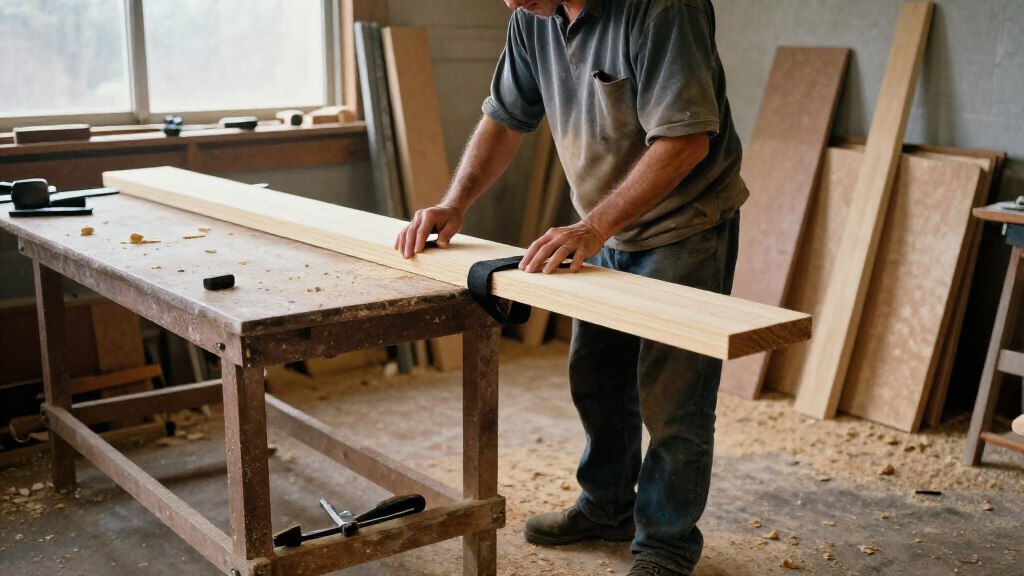
That distinction matters on a busy shift. If you’re moving boxes from a pallet to a shelf above shoulder height, a belt can’t remove the repeated reaching or twisting. A lift table, a better shelf height, or help with the load addresses the task itself. Those changes can reduce strain for everyone doing the job, whereas a belt’s comfort or reminder effect varies from person to person.
Research has not established that routine belt use prevents back injuries among workers who have not previously been injured. That means you should treat claims of guaranteed protection with caution and avoid using a belt as the entire workplace safety plan. A sense of support may be valuable to an individual, but it should not be mistaken for evidence that the risk has been controlled.
A belt can provide a reminder or comfort for some workers; it cannot replace safe lifting, suitable equipment, training, or changes to a hazardous task.
Think of the belt as one possible part of your work kit, like gloves: useful for a particular purpose, but no substitute for controlling the hazard. If your employer is relying on belts while the job still demands repeated heavy lifts, the job setup deserves attention too. The more a task depends on a belt to feel manageable, the more important it is to examine whether the load, reach, pace, or layout can be changed.
Products Worth Considering

DEWALT 20V MAX Cordless Brad Nailer Kit, 18GA (DCN680D1)

EGO Power+ 10” Cordless Pole Saw with Telescopic Shaft and LED Cut Line Indicator

Metabo HPT NT1850DG 18V Cordless 18-Gauge Brad Nailer Kit
As an affiliate, we earn on qualifying purchases.
Match the belt to the work you actually do
Choose a work back support belt by first listing how your shift makes you move: how often you lift, carry, bend, twist, reach, climb, or work in heat. The right choice depends on those demands and your comfort, because a bulky or stiff belt can get in the way even when it feels supportive while standing still. Testing it only in a relaxed posture can miss the friction, pressure, and movement limits that show up during the actual job.
For example, a stockroom worker who lifts cartons for short bursts may value easy adjustment and quick removal between tasks. A mechanic who bends under a vehicle may find a high-profile belt catches on the work surface or pushes into the ribs. In a hot kitchen or foundry, thick material can feel clammy within an hour. These are tradeoffs: a design that feels substantial or stays warm may be harder to tolerate in heat or in confined positions, and a belt that is easy to remove may need more frequent adjustment.
Before shopping, note when discomfort or awkwardness appears. Does your job involve long periods of sitting followed by lifting? Do you wear a tool belt that already presses at your waist? These details can help you avoid buying gear that competes for the same space. They also help you distinguish a poor belt match from a problem with the task itself: if every option interferes with reaching or sitting, changing the work setup may matter more than finding another design.
- Frequent bending or twisting: check that the belt doesn’t pinch or stop you moving comfortably. Restriction can cause you to compensate with another part of your body or make the task harder to perform.
- Heat and sweat: compare fabric weight and breathability. A cooler fabric may be easier to wear through a long shift, while a heavier one may feel more comfortable in cold conditions.
- Other equipment: consider tool belts, harnesses, aprons, and required PPE. Combined pressure or interference can outweigh any comfort you get from the belt alone.
Features matter only when they work for your shift. A belt with extra straps may sound substantial, but if you keep loosening it to reach a fastener or sit in a cab, it is a poor match for that job. The useful choice is the one you can wear as directed while doing your real tasks comfortably; if no belt meets that standard, that is information about the fit or job demands, not a reason to tolerate pain or restricted movement.
Check fit before judging how much support it gives
A work back support belt should sit securely and comfortably without pinching, slipping, causing pain, or restricting breathing and movement. Start with the manufacturer’s sizing and fitting instructions, then check how it feels in the positions you use at work—not just while standing in front of a mirror. A belt that shifts or presses in one position may distract you, alter how you move, or be uncomfortable enough that you stop wearing it.
Try a few normal movements: sit in your work vehicle, reach toward a shelf, bend as your task requires, and take a full breath. If the edge digs into your ribs when you lean forward, or the closure slides when you turn, the fit may be wrong or the design may not suit your body and job. Tightening it more might stop some slipping, but can create pressure or restrict breathing; check the size, placement, and design instead of assuming more tension means better support.
For instance, a belt can feel snug over a thin shirt in the fitting room, then shift over a hoodie during a cold outdoor shift. Check the fit with the layers you actually wear. Follow the product instructions about placement and adjustment rather than tightening it as far as the straps allow. Clothing layers and other waist-worn equipment change the space available, so a fit that works in one setup may not work in another.
- Measure as directed by the manufacturer and choose the size that matches their chart.
- Position and fasten it according to the instructions, with no sharp pressure points.
- Move through your work positions and check breathing, comfort, and freedom of movement.
- Stop and readjust or remove it if it slips, hurts, or interferes with the task.
A secure fit is not the same as a tight squeeze. If adjustment does not resolve pain or restricted movement, ask a qualified professional for advice rather than wearing it tighter. A belt that only feels stable when painfully tight is not a workable fit for a shift, and the discomfort should not be treated as a sign that it is doing more.
Compare materials and closures for a full shift
Compare a work back support belt’s material, closure, adjustability, bulk, and ease of removal against the conditions of your shift. More panels or straps do not automatically mean better support; they may simply make the belt hotter, slower to adjust, or harder to wear with other gear. Think about the whole shift, not just the first few minutes: a small comfort issue can become a reason to loosen or remove the belt, while an easy closure can make it practical to take off when the task changes.
A hook-and-loop closure can be quick to open when you finish a lifting task, while a design with additional straps may let you fine-tune its feel. But closures also need to hold through the movements you make. If a belt loosens while you climb in and out of a van, you may spend the shift stopping to readjust it. That interruption can be more than inconvenient: repeated adjustment can distract you from the work and encourage inconsistent fit.
Imagine two workers in the same warehouse. One works near a loading bay in winter, where a warmer layer may feel welcome; the other works beside a hot packing line and sweats through a heavy shirt. The same material can suit one shift and feel miserable in the other. Breathability and warmth are competing priorities, so compare the actual conditions you work in rather than assuming one fabric is best in every setting.
Check the label and product instructions for cleaning, care, and intended use. A belt washed in a way the manufacturer forbids may wear out sooner, while a belt that takes too long to put on may end up on a hook instead of in use. For value, consider whether the belt remains comfortable and serviceable across your actual work routine, not just its price or feature count. Durability matters only if the belt still fits and functions as intended; an inexpensive option that fails quickly may cost more in replacements, while a costly option is not useful if its bulk makes it impractical.
If you carry tools, check the waist area for crowding. A belt for work gear and a back support belt can compete for room; together they may create pressure or restrict a bend that felt easy with each item alone. Try the full combination you will wear on the job, because evaluating each piece separately can hide the pinch point created when they overlap.
Use realistic expectations when you weigh the evidence
Back belts have not been shown to reliably prevent back injuries when worn routinely by workers without a prior injury. That is the key evidence point to keep in mind when comparing product claims or deciding what your employer should provide. It sets a limit on what a general belt purchase can promise, even if some workers find a particular belt comfortable or reassuring.
This does not mean every worker will dislike a belt or that no clinician will recommend one for a particular person. It means a general workplace purchase should not be sold as a proven injury-prevention measure. Comfort, warmth, a personal reminder, and a specific clinical purpose are different reasons to wear one. Keeping those purposes separate helps workers judge a belt by whether it serves their individual need, while employers continue to assess and reduce the demands of the job.
Suppose a team is asked to unload a delivery of heavy bags by hand. Giving each worker a belt does not change the load, floor space, or repetition. A trolley, a revised delivery plan, or splitting the load into smaller units may address those demands more directly. A belt may change how the task feels to one worker, but it cannot lower the total weight or the number of lifts the team must complete.
There is also no universal wearing schedule that suits everyone. Follow product directions and any guidance from a qualified healthcare professional; don’t assume that wearing a belt for more hours means more protection. If the belt causes pain, numbness, skin irritation, or other concerning symptoms, stop using it and seek advice. More time in the belt is not a substitute for a plan that fits your health and work demands.
Claims about inevitable core weakness from ordinary belt use are not well established either. The sensible approach is to avoid treating the belt as a substitute for movement, appropriate conditioning, or care tailored to your health. In practice, this means neither promising that a belt prevents injury nor assuming that wearing one automatically causes harm; evaluate its purpose and effects for the individual, and address workplace risks separately.
Make the job safer instead of asking a belt to do it all
Employers should look for ways to reduce the source of strain, including heavy loads, awkward reaches, repetitive movement, and cramped layouts. A belt is personal equipment; changing a task can reduce the demand for everyone who performs it. This matters because workers may differ in whether a belt feels useful, while the weight, height, and repetition built into a task affect the whole team.
Take a delivery station where workers repeatedly lift cartons from floor level and twist to place them on a conveyor. Raising the staging area, moving the conveyor within easy reach, or providing suitable lifting equipment can cut down on low, twisted lifts. The best change depends on the task and workplace, but it starts by watching the work as it really happens. A fix should address the part creating the demand: raising a shelf won’t solve an excessive load, and a trolley won’t help if there is no clear route to use it.
Workers can report which part of a task feels difficult: the weight, the distance carried, the height of a shelf, or the number of repetitions. Those specifics help a supervisor identify a fix. Training and reminders can help too, but they cannot compensate for a layout that repeatedly forces an awkward posture or a load no one can handle comfortably. Listening to workers also helps reveal problems that may not be obvious from a written procedure.
- Reduce unnecessary load weight or split bulky items into manageable units. Smaller units can reduce the effort per lift, though the work plan should also consider whether splitting them increases the number of trips.
- Improve layout and storage height to reduce floor-level lifts and overhead reaches. Place frequently handled items where they can be reached without repeated bending or stretching.
- Use suitable handling equipment where the task calls for it. Equipment can reduce manual handling demands, but it needs to fit the space and be available when workers need it.
- Organize work and training to limit repetitive or awkward movement. Training is most useful when workers have the time, equipment, and layout needed to follow it.
For a small shop, even moving frequently used stock from the lowest shelf to waist height can change the rhythm of a shift. A belt may be part of an individual’s routine, but the work setup should carry its share of the load. Small changes can make a repeated task easier across an entire shift, especially when workers help identify what is getting in the way.
Get health advice when pain or a medical condition is involved
If you have back pain, a recent injury, a medical condition, or uncertainty about wearing a belt, ask a qualified healthcare professional before relying on one at work. The right advice depends on what is causing your symptoms and what your job requires. A belt that feels comfortable to a coworker may press on a painful area or be unsuitable for your circumstances, so another person’s experience cannot answer an individual health question.
For example, a worker returning after an injury may be tempted to tighten a belt and take on the same lifting duties as before. A belt cannot establish that the worker is ready for that load. A clinician can advise on whether a belt fits the person’s care plan and what movements or duties need adjustment. That conversation can help avoid treating the belt as proof of readiness when the task itself may need a gradual return or other changes.
Pay attention to how your body responds. Stop wearing the belt and seek advice if it brings on pain, numbness, skin irritation, or other concerning symptoms. If pain is new, severe, persistent, or comes with other concerning changes, get medical guidance rather than trying different belt designs as a substitute for care. Switching models may change pressure or comfort, but it does not explain what is causing the symptoms.
Don’t guess at fit or wear time based on another worker’s experience. A coworker may find a particular belt comfortable while it presses painfully on your ribs. Product instructions can guide setup, but individual health questions belong with a qualified professional.
At work, explain which tasks bring on symptoms and what movements feel limited. That gives your supervisor and healthcare professional concrete information to discuss changes to duties, equipment, or the task itself. Specific examples—such as pain after repeated floor-level lifts or discomfort while sitting in a vehicle—make it easier to connect advice to the demands you actually face.
Frequently Asked Questions
Do back support belts prevent workplace injuries?
Routine use has not been shown to reliably prevent back injuries among workers without a prior injury. A belt may offer comfort or a reminder for some people, but it does not replace safe work methods, equipment, or changes to a hazardous task.
How tight should a work back belt be?
It should sit securely without pinching, slipping, causing pain, restricting breathing, or limiting movement. Use the manufacturer’s fitting instructions, and stop or readjust it if it interferes with your work.
Should I wear a belt all day or only while lifting?
There is no universal schedule. Follow the product instructions and any clinician’s guidance; don’t assume longer wear provides more protection.
Can a back belt replace lifting technique or equipment?
No. A belt does not reduce a load’s weight or make an awkward lift safe. Employers should address the task with suitable equipment, better layout, and work practices that reduce unnecessary strain.
Can I wear a belt if I already have back pain?
Ask a qualified healthcare professional, especially if your pain is new, severe, persistent, or accompanied by other concerning symptoms. Stop using the belt and seek advice if it causes pain, numbness, or skin irritation.
Conclusion
Choose a belt for the work you actually do, then judge it by a secure, comfortable fit and freedom to move—not by promises of protection or the number of straps. If you have symptoms or a medical question, ask a qualified healthcare professional.
And when a job keeps asking your back to lift, twist, and reach in the same bad corner, fix the corner. A belt can sit at your waist; it can’t move the shelf.