TL;DR

Get business pricing on tools and workshop supplies
- Business-only prices and quantity discounts
- Tax-exempt purchasing
- Multiple users, one account, clear invoices
Hearing protection ratings like NRR quantify noise reduction but often overestimate real-world performance. Derate by 50% for practical use, and consider fit and comfort for best results. Advances in testing and electronic protectors are improving safety and usability.
Think your earplugs are doing their job? Chances are, they’re not as effective as the label says. Many tradespeople assume a high NRR means near-total noise blocking, but the truth is more complex.
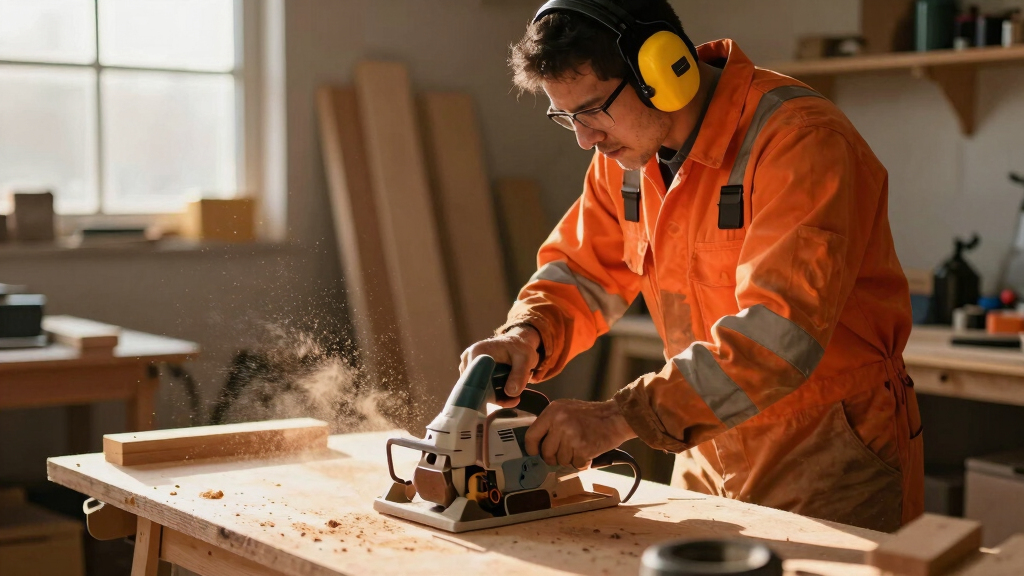
Knowing how hearing protection ratings work can make or break your hearing over years of noisy work. This guide breaks down what those ratings really mean, how to choose the right gear, and what recent tech developments are making your safety gear smarter and more comfortable.
Explore these facts and tips to protect your ears effectively—because losing hearing isn’t just about loud noise today, it’s about what you miss tomorrow.Hearing protection ratings like NRR are lab estimates; real-world protection is usually about 50% less.
Always derate NRR by 50% to get a realistic idea of your noise reduction.
Proper fit and consistent use are just as important as the rating itself.
Advances in testing and electronic features are making hearing protectors more effective and comfortable.
Regular inspection and replacement of damaged gear prevent unintentional exposure.
What Do Hearing Protection Ratings Really Mean? Here’s the Straight Story
Hearing protection ratings like the NRR tell you how much a device can reduce noise in lab tests. For example, an NRR of 30 dB suggests the earplug can cut noise by about 30 decibels under ideal conditions.
But in real-world settings, those numbers drop. Fit issues, movement, and user error often cut effectiveness by half. So, a 30 dB NRR might only deliver 15 dB of actual protection in your noisy work environment.
Understanding this difference helps you pick equipment that genuinely shields your ears, especially where noise levels hit 100 dB or more.
earplugs with high NRR for construction
As an affiliate, we earn on qualifying purchases.
As an affiliate, we earn on qualifying purchases.
How To Pick the Right Hearing Protection for Your Job in 3 Easy Steps
- Identify the noise level: Measure or estimate the decibel level of your work environment. For example, a jackhammer runs around 100 dB.
- Choose a device with a suitable NRR: For 100 dB noise, pick protection rated at least 25-30 dB NRR after derating.
- Test the fit and comfort: Wear it as intended—tight enough to seal but comfortable enough for long shifts. Use fit testing devices if available.
Practical step: Always verify the fit before starting work. If you notice discomfort or gaps, adjust or try a different size or style. Regularly recheck the fit during shifts, especially if you move around a lot. Remember, even a slight shift can reduce effectiveness.
electronic hearing protection for noisy work sites
As an affiliate, we earn on qualifying purchases.
As an affiliate, we earn on qualifying purchases.
Comparison Table: NRR vs. SNR and When to Use Each
| Rating System | Region | How It’s Calculated | Best For |
|---|---|---|---|
| NRR | USA | Laboratory testing, average attenuation | General industrial use, OSHA compliance |
| SNR | Europe | European standards, similar but calculated differently | European workplaces, international products |
| HML | Various | Frequency-specific attenuation | Custom hearing protection needs |
Practical advice: When selecting hearing protection, always derate these ratings by about 50% to get a realistic expectation of protection. Use this as a guide to compare options and ensure safety in your specific environment.
custom fit ear protection for industrial use
As an affiliate, we earn on qualifying purchases.
As an affiliate, we earn on qualifying purchases.
Recent Tech Boosts Make Hearing Protectors Smarter and Safer
New testing methods like REAT (real-ear attenuation at threshold) provide more accurate protection estimates for individuals. This means your gear’s rated protection is closer to what you’ll actually get.
Electronic protectors are changing the game. They amplify ambient sounds while canceling out harmful noise—think of it like hearing in a noisy factory, but with clarity and safety.
Manufacturers now label products with more realistic performance data, and ergonomic designs boost comfort—because if gear hurts or feels weird, you won’t wear it consistently.
Practical tip: When choosing electronic protectors, look for models with adjustable noise-canceling levels and test them in your environment. Properly fitted electronic devices can significantly improve safety and situational awareness, especially on long shifts.
noise reduction ear muffs for construction workers
As an affiliate, we earn on qualifying purchases.
As an affiliate, we earn on qualifying purchases.
What You Need to Do to Keep Your Ears Safe—Every Day
Hearing protection ratings are a solid guide, but they’re only part of the story. Proper fit, regular inspection, and user training are equally important.
Practical action step: Develop a daily routine—check your gear before each shift for damage or dirt, and replace worn items immediately. Educate yourself on correct insertion and removal techniques to maximize protection.
Use visual and tactile checks to confirm a snug fit. Keep a spare set of earplugs or earmuffs handy. Remember, consistent use and proper maintenance are your best defenses against hearing loss over time.
Practical tip: Incorporate quick daily checks into your routine and replace gear at signs of wear. This simple habit ensures ongoing protection and reduces the risk of accidental exposure.
Frequently Asked Questions
How do I choose the best hearing protection for my specific job?
Start by measuring or estimating your noise exposure. Pick gear with an NRR that accounts for derating (about 50%) and fits comfortably. Don’t forget to test the fit and train yourself to wear it properly every shift.
What does the NRR number really tell me?
The NRR indicates the maximum noise reduction in lab tests, but actual protection is roughly half that in real life due to fit, movement, and use. Always derate NRR values to get a realistic protection estimate.
Are electronic hearing protectors worth it?
Yes, especially if you need to communicate or remain aware of your surroundings. Look for models with good noise-canceling ratings and ensure they’re comfortable enough for all-day wear.
How often should I replace my hearing protection gear?
Inspect gear daily for cracks, deformation, or dirt. Replace worn or damaged protectors immediately. Proper maintenance keeps protection at optimal levels and prevents accidental exposure.
Can I rely solely on hearing protection ratings to avoid hearing loss?
No. Ratings are guides. Proper fit, consistent use, and following safety protocols are key to truly protecting your hearing over the years.
Conclusion
Protecting your hearing isn’t just about choosing gear with a high NRR. It’s about proper fit, consistent use, and understanding what those ratings really mean. When you combine good equipment with smart habits, you keep your ears safe for decades to come.
Think of your hearing as a precious tool—one that’s easy to overlook until it’s gone. Stay vigilant, stay protected, and keep the noise out of your ears.
Fall yard work Picks
leaf blowers
As an affiliate, we earn on qualifying purchases.