
TL;DR

Get business pricing on tools and workshop supplies
- Business-only prices and quantity discounts
- Tax-exempt purchasing
- Multiple users, one account, clear invoices
Hard-cap knee pads feature rigid shells for maximum impact protection, ideal for high-risk activities. Soft-cap pads use flexible padding for comfort, better suited for lighter tasks. Choosing depends on your activity’s impact level and comfort needs.
If you’ve ever worn knee pads, you know the difference a good fit makes. But not all pads are built the same. Some are tough enough to withstand heavy impacts; others prioritize comfort for all-day wear.
This guide clears up the confusion between hard-cap and soft-cap knee pads. You’ll learn what makes each type unique, their best uses, and the latest tech innovations shaping the market today. Whether you’re on a construction site or playing volleyball, knowing the right gear keeps you safe and comfortable.
Hard-cap knee pads excel in impact protection but can restrict movement and cause discomfort during extended wear.
Soft-cap knee pads prioritize comfort and flexibility, making them ideal for sports and light activities, but they aren’t suitable for heavy impacts.
Recent hybrid designs combine rigid shells with soft padding, delivering a balanced mix of safety and comfort.
Proper fit is key for both types—measure your knees and try different styles to find what works.
Regular inspection and maintenance extend the lifespan of your knee protection gear.
What Makes Hard-Cap and Soft-Cap Knee Pads So Different?
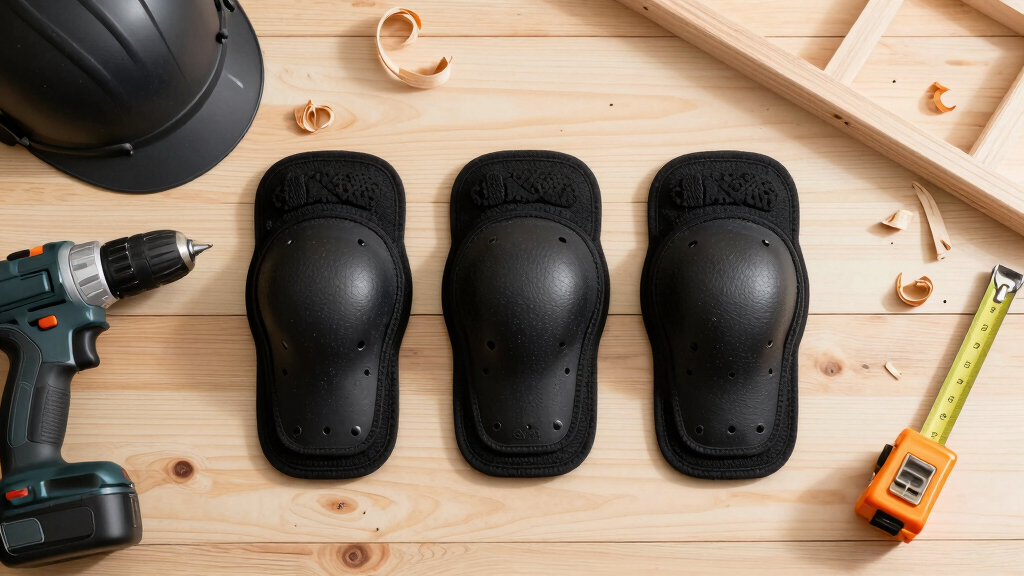
Hard-cap knee pads have a rigid plastic or composite shell that covers your kneecap, acting like a small shield. This shell is designed to distribute impact forces over a broader area, reducing the risk of localized injuries. The material’s rigidity ensures that sudden, heavy impacts—like falling objects or collisions—are absorbed effectively, preventing damage to the knee joint itself. However, this rigidity can also mean less flexibility, which may lead to discomfort or restricted movement during prolonged use.
Soft-cap pads, on the other hand, incorporate cushioned layers such as foam or gel that mold to your knee’s shape. While they don’t provide the same level of impact resistance as hard shells, they excel in absorbing minor shocks and reducing friction during movement. The softer materials allow greater flexibility, making them ideal for activities that require mobility and comfort, like gardening or light sports. The tradeoff here is that soft caps are less effective against high-impact forces, which can lead to higher injury risk if used inappropriately.
Understanding these differences is crucial because choosing the wrong type can either leave you vulnerable to injury or cause unnecessary discomfort, impacting your performance and safety.
hard-cap knee pads for construction
As an affiliate, we earn on qualifying purchases.
As an affiliate, we earn on qualifying purchases.
Which Knee Pad Type Protects Better During Heavy Impact?
Hard-cap knee pads are engineered for maximum impact resistance. Their rigid shells are designed to withstand and disperse substantial forces, such as falling tools or accidental drops of heavy objects. This means that when a significant impact occurs, the shell prevents the force from concentrating directly onto the knee joint, significantly reducing injury risk. For instance, construction workers working at heights or on steel beams often wear hard caps because the environment involves potential falling objects and heavy equipment impacts. The tradeoff is that these pads may be bulkier and less comfortable during extended wear, but their protective advantage is undeniable in high-risk scenarios.
Soft caps, however, are optimized for comfort and impact absorption at lower levels of force. They are suitable for sports like volleyball or running, where impacts are less severe but frequent. While they provide cushioning that minimizes soreness and shields against minor bumps, they are not designed to handle the force of a heavy object or a fall from a significant height. Using soft caps in environments with high-impact risks can lead to injury because their cushioning can compress or deform under extreme force, reducing their protective capability.
Therefore, selecting the right type hinges on understanding the typical impact level of your activity. For high-impact environments, hard caps are the safer choice, offering a predictable level of protection. For lighter activities, soft caps can provide comfort without sacrificing too much safety, but always assess the potential hazards involved.
As an affiliate, we earn on qualifying purchases.
Comfort and Flexibility: Why It Matters When You Wear Them All Day
Comfort plays a pivotal role in how effectively you can perform tasks while wearing knee pads. Hard-cap knee pads, with their rigid shells, often feel bulky—like wearing a tiny shield on your knee. This can restrict movement, especially during frequent kneeling or crawling, and may lead to fatigue or discomfort over time. The rigid structure can also create pressure points and cause chafing if not properly fitted. Additionally, the plastic shell may produce creaking sounds with movement, which can be distracting, and heat can build up inside, leading to sweating and skin irritation.
Soft-cap pads, by contrast, are designed with lightweight, flexible materials that conform to your knee’s shape. They allow a full range of motion, making them suitable for activities requiring agility and prolonged wear, such as gardening, light construction, or sports. The cushioning layers absorb impacts gently, reducing soreness and preventing fatigue. Because they are less restrictive, soft caps help maintain natural movement and improve overall comfort, which can enhance your performance and reduce the risk of improper posture or strain caused by bulky gear.
Choosing between them depends on your activity’s demands. For tasks involving frequent kneeling or extended periods, soft caps often provide better usability, helping you stay comfortable and focused without distraction or fatigue.
hybrid knee pads impact protection
As an affiliate, we earn on qualifying purchases.
As an affiliate, we earn on qualifying purchases.
Durability and Maintenance: Which Lasts Longer in Tough Conditions?
Hard-cap knee pads tend to be more durable when it comes to repeated impacts. Their plastic shells are resistant to scratches, cracks, and deformation, especially if made from high-quality materials like reinforced polypropylene or composite plastics. This means they can withstand harsh environments—such as construction sites or industrial settings—without losing structural integrity. However, prolonged exposure to extreme stress or impacts beyond their rated capacity can cause cracks or chips, compromising their protective ability. Proper care, like cleaning and avoiding unnecessary impacts, can extend their lifespan significantly.
Soft caps, by their nature, are more forgiving and easier to maintain. Their cushioned layers are typically washable, allowing for regular cleaning to keep the pads hygienic. Yet, they are more prone to wear and tear—foam padding can compress over time, losing its cushioning, and the fabric covering can fray or degrade with frequent washing or rough handling. Under heavy impact or rough conditions, soft caps may need replacing more often to ensure safety and comfort.
For example, a construction worker who uses knee pads daily might find that their soft caps flatten or become less effective after a few months, necessitating more frequent replacements. Conversely, hard caps, if well-maintained, can last several years, making them a cost-effective choice in demanding environments.
Understanding these durability tradeoffs helps users plan maintenance and replacements, ensuring ongoing protection and comfort over the long term.
knee pads for heavy impact protection
As an affiliate, we earn on qualifying purchases.
As an affiliate, we earn on qualifying purchases.
Latest Tech and Trends in Knee Pad Design
Recent innovations are blurring the lines between hard and soft caps. Hybrid designs combine a rigid shell with impact-absorbing foam inside, offering the best of both worlds: solid protection with enhanced comfort. These hybrids aim to reduce the tradeoffs traditionally associated with each type, providing a lightweight yet durable solution. Manufacturers are also incorporating advanced materials like D3O, which stiffen upon impact but remain flexible otherwise, allowing for better mobility without sacrificing safety.
Design improvements focus heavily on ergonometry: contoured shapes that better fit the knee’s natural anatomy, adjustable straps for personalized fit, and breathable fabrics to prevent overheating. Some high-tech models even include sensors that monitor impact forces, providing real-time feedback and data logging for enhanced safety management. For example, a construction worker wearing a knee pad equipped with impact sensors can receive alerts if a fall or hit exceeds safe thresholds, potentially preventing injuries before they happen. These innovations are making knee protection smarter, more comfortable, and more adaptable to diverse activity needs.
How to Pick the Right Knee Pad for Your Job or Sport
- Assess the impact risk. Are you dealing with falling objects or heavy tools? Go for hard caps, as they provide the best impact protection. Understanding the impact level helps you avoid under-protection, which can lead to injuries, or over-encumbering gear that hampers mobility.
- Think about comfort and duration. Will you wear them all day? Soft caps are more suitable for prolonged wear because they are lightweight and flexible, reducing fatigue. However, consider the activity’s nature—if you need maximum protection, compromise comfort with hybrid options.
- Check fit and size. Measure your knee circumference at the widest point and try different models. Proper fit ensures the pads stay in place, distribute impact forces evenly, and prevent chafing or slipping, which could compromise safety.
- Consider hybrid options if you want a balance of protection and comfort. These designs combine the impact resistance of hard shells with the flexibility of soft padding, providing a versatile solution for varied activities.
- Look for features like ventilation, adjustable straps, and washable materials. These enhance usability, hygiene, and long-term comfort, making your gear more effective and easier to maintain.
For example, a carpenter working on scaffolding might choose hard caps for impact protection but with padded straps and ventilated fabrics to stay comfortable during long shifts. Evaluating your specific needs and activity conditions ensures you select the most appropriate knee protection.
Frequently Asked Questions
Which knee pad type is best for construction work?
Hard-cap knee pads are typically better for construction, offering maximum impact protection against falling tools and heavy objects. But you should always prioritize fit and comfort for prolonged wear.Can I use soft-cap knee pads for heavy-duty projects?
Generally, no. Soft caps are designed for lighter activities. For heavy-impact jobs, hard caps or hybrid models provide the necessary protection.How do I know if my knee pads fit properly?
Measure around your knee at the thickest point. The pads should fit snugly without pinching or sliding. Try them on with your work gear to ensure comfort during movement.Are hybrid knee pads worth the extra cost?
If you need a balance of protection and comfort, hybrid knee pads can be a smart investment. They combine the best features of both styles, making them versatile for many activities.How often should I replace worn-out knee pads?
Inspect your knee pads regularly. Replace them if the padding is flattened or if the shell cracks, as compromised gear won’t provide proper protection.Conclusion
Choosing the right knee pads depends on understanding what risks you face and what feels comfortable over the long haul. Hard caps protect against heavy impacts but can limit your movement. Soft caps keep you agile but aren’t built for heavy blows.
Modern tech is making it easier—hybrid designs and smart features help you stay safe without sacrificing all-day comfort. Keep your gear in good shape, and it’ll serve you through many projects and activities.
Remember: the best knee pad is the one that fits your needs today and stays reliable tomorrow. When safety and comfort align, you work smarter—and safer.
Columbus Day / Indigenous Peoples' Day Picks
long weekend sales
As an affiliate, we earn on qualifying purchases.