TL;DR

Get business pricing on tools and workshop supplies
- Business-only prices and quantity discounts
- Tax-exempt purchasing
- Multiple users, one account, clear invoices
House Beautiful published expert advice on 14 everyday home items that may need replacing or repair, including smoke and carbon monoxide alarms, towels, bedding and HVAC filters. The suggested timelines vary by product and condition; alarm manufacturers’ instructions and visible wear should guide decisions.
House Beautiful has published a report listing 14 everyday household items that experts say homeowners should inspect and replace or repair as they wear out, including smoke and carbon monoxide alarms, shower liners, towels, mattresses and HVAC filters. Its suggested timelines are general guidance, not a single rule for every product: the report advises checking manufacturer instructions and the condition of each item.
The report gives smoke and carbon monoxide alarms a suggested replacement window of five to 10 years, while stressing that the correct interval depends on the manufacturer. It recommends testing alarms monthly and replacing batteries yearly. For HVAC filters, it cites guidance to check monthly and replace about every three months, with more frequent changes if a filter looks especially dirty.
Other suggested timelines include six months to one year for shower liners, one to three years for bath towels, seven to 10 years for mattresses, and one to two years for bed pillows. The report says sheets may need replacing after two to three years, while duvets may last five to 10 years. These are estimates; signs such as lost support, persistent musty odors, diminished absorbency or visible deterioration may indicate a need to act sooner.
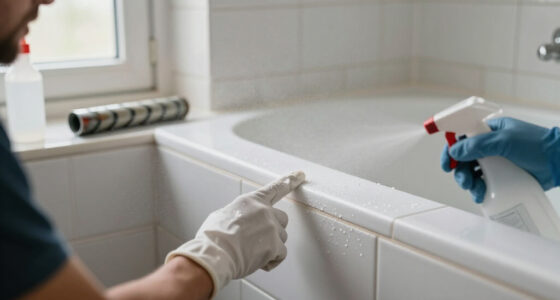
The remaining items covered are grout, kitchen sponges, cutting boards, water filters, toothbrushes, cleaning tools and rugs. The report’s advice varies by item: some need routine replacement, while others should be repaired or replaced when they show damage, wear or reduced performance. The source excerpt does not provide a schedule or detailed instructions for every item in the list.
Small Maintenance, Real Safety Risks
Replacement schedules can affect more than a home’s appearance. An alarm that no longer detects smoke or carbon monoxide reliably may fail to provide timely warning, while worn grout can allow water to reach surrounding surfaces and contribute to damage. A clogged or overdue HVAC filter can also hinder system operation and allow more dust to circulate, according to the report’s cited maintenance guidance.
The practical takeaway is to check items rather than rely on age alone. A suggested lifespan helps prompt an inspection, but product instructions, household conditions and visible performance matter. Replacing everything on a fixed calendar could be unnecessary for some products; waiting despite clear damage or failure could create avoidable problems.
Products Worth Considering

EGO POWER+ Nexus Escape 400W Portable Inverter (PAD5000), Battery and Charger Not Included

EGO POWER+ FN1800 18-Inch Portable Misting Fan (Battery and Charger Not Included)

EGO POWER+ CS1613 16-Inch Cordless Chainsaw with 56V 4.0Ah Battery and Charger
As an affiliate, we earn on qualifying purchases.
How the Suggested Timelines Work
The report combines recommendations from designers and home-maintenance guidance. Its contributors include interior designers Linda Hayslett, Rebekah Zaveloff and Vyanca Soto, as well as other home professionals. Their comments address care and signs of deterioration, while the report also refers to Energy Star for HVAC filter checks and replacement.
The timelines are not all based on the same kind of evidence. Some are broad lifespan estimates, while others are tied to manufacturer guidance or condition. For alarms in particular, the model’s instructions take precedence over a general five-to-10-year range. Regular upkeep—such as washing linens and allowing towels to dry between uses—may help preserve some items, but it does not eliminate the need to inspect them.
““Even the most gorgeous spaces lose their charm if we forget to update essentials.””
— Linda Hayslett, principal designer at LH.Designs, as quoted by House Beautiful
Timelines Depend on Product Condition
The source material does not give a publication date, identify the full evidence behind each lifespan estimate, or provide detailed replacement instructions for all 14 categories. It also does not establish that every item becomes unsafe at the end of its suggested period. Actual replacement needs vary with the product, its manufacturer, how often it is used and how it is maintained.
The report cites a 2024 SafeHome.org study as finding that shower curtains had the most germs among the bathroom surfaces it examined, but the excerpt provides no study methods or measurements. That finding should not be treated as proof that every shower liner poses a health risk or needs replacement on a particular date.
Inspect Items Against Their Guidance
Homeowners can use the list as a prompt to inspect frequently used items, check dates and condition, and consult product labels or manufacturer instructions. For alarms, test monthly, replace batteries yearly as advised in the report, and confirm the model-specific replacement deadline. For HVAC filters, check monthly and follow the system’s guidance on fit and replacement.
For items such as towels, pillows and grout, look for the problems the report identifies—persistent odors, lost shape or support, diminished absorbency, gaps or deterioration—and act accordingly. The report does not announce a new regulation or official deadline; it offers expert recommendations for routine household upkeep.
Key Questions
Which household item should I check first?
Check smoke and carbon monoxide alarms, since they provide warnings during emergencies. Follow the manufacturer’s replacement instructions, test them monthly and replace batteries yearly, as the report advises.
Do all 14 items need replacing on a fixed schedule?
No. The timelines are general recommendations, and the report says needs depend on manufacturer guidance, condition and use. Some items may need attention sooner if they show damage or no longer work well.
How often does the report recommend changing HVAC filters?
It recommends checking filters monthly and replacing them about every three months. A visibly dirty filter may need to be changed sooner; homeowners should also consult their system’s instructions.
What are signs that towels or bedding need replacing?
The report points to scratchy or persistently musty towels, discoloration, and pillows that have lost their shape. It gives estimated lifespans for sheets and duvets but notes that care and household habits affect condition.
Source: housebeautiful.com