
TL;DR
A Hunker report describes a DIY technique of lightly spraying ammonia-free Windex on freshly applied silicone caulk before smoothing it. The cleaner is meant to reduce sticking to a finger or finishing tool; applying it where caulk still needs to adhere could interfere with bonding.
A Hunker report describes a home-improvement technique in which DIYers lightly spray ammonia-free Windex over a fresh bead of silicone caulk before smoothing it. The glass cleaner is used to help a finger or finishing tool glide across the sticky sealant—not to clean it or improve its adhesion—and the report warns that cleaner on an uncaulked spot could interfere with bonding.

Get business pricing on tools and workshop supplies
- Business-only prices and quantity discounts
- Tax-exempt purchasing
- Multiple users, one account, clear invoices
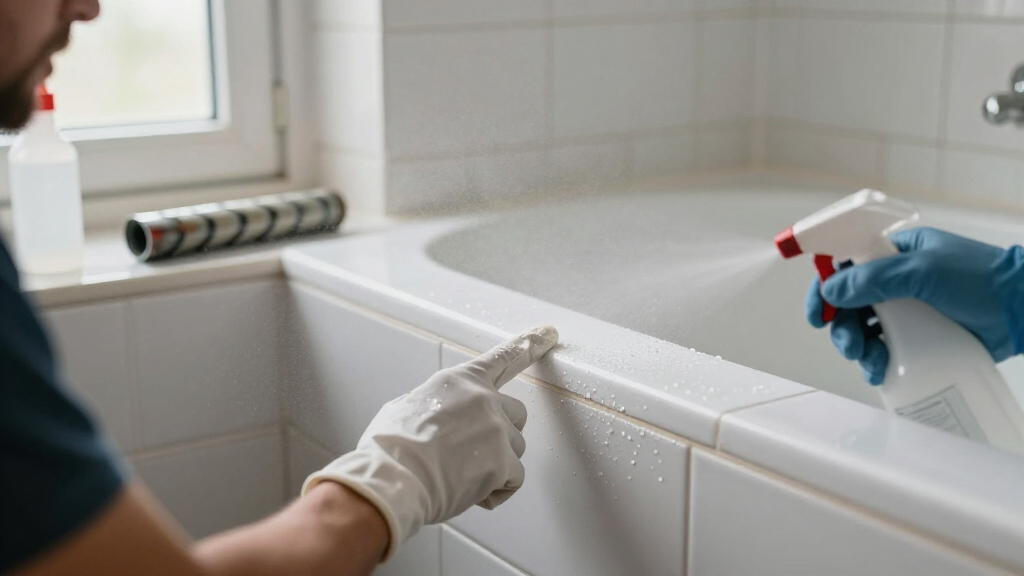
Silicone caulk can cling to a finger or tool during finishing, making it harder to create an even bead. According to Hunker, a light spray of glass cleaner provides slip during tooling, reducing that sticking and helping the person smooth the surface. The report says ammonia-free Windex is preferred because it is considered less likely to compromise the caulk.
The order of steps matters: apply the silicone bead across the joint first, then lightly spray the bead and smooth it promptly. An alternative described in the report is to spray the finishing tool rather than the caulked area. If a section of the joint was missed, spraying it with cleaner before filling it could leave a spot where the sealant does not adhere properly.
Hunker says the method is most relevant to silicone caulk, which can be more difficult to tool than some other products. Acrylic latex caulk is generally easier to smooth and can be cleaned up with water, so the report says there is usually less need to use glass cleaner with it. The article presents this as a practical DIY tip, not as a manufacturer specification or formal product instruction.
A Finishing Aid, Not a Bonding Agent
The distinction matters because caulk is used to seal joints, and a smooth finish does not guarantee a sound bond. The Windex technique is intended to make the finishing step easier after the bead has been applied. It should not replace surface preparation or be treated as a way to strengthen silicone’s hold.
For a homeowner, the main risk described is getting cleaner on a gap that still needs sealant. That could undermine adhesion at that location, potentially leaving an imperfect seal. Working in manageable sections and applying the bead consistently can help keep the smoothing process under control while the silicone is still workable.
Products Worth Considering

DEWALT 20V MAX Brushless 3-Tool Combo Kit with Drill, Impact Driver, Oscillating Multi-Tool, 3 Batteries and Charger

RYOBI P1819 18V ONE+ 6-Tool Lithium-Ion Combo Kit

DEWALT 20V MAX Cordless 1/2-Inch Impact Wrench Kit (DCF900P1)
As an affiliate, we earn on qualifying purchases.
Preparation Comes Before Smoothing
Hunker’s instructions put the glass-cleaner step within a broader caulking process. Before applying new silicone, the report advises removing old caulk and clearing away lingering paint, dirt, grease, and debris, then cleaning and drying the joint. Those steps prepare the surface; Windex is not offered as a substitute for them.
For application, the report recommends cutting the nozzle at a 45-degree angle and moving steadily while maintaining consistent pressure to lay an even bead. Only after that bead is in place does the suggested spray-and-tool step follow. The report also mentions painter’s tape along the edges of the intended bead as a way to guide the line and limit mess.
“The glass cleaner helps keep the silicone from sticking to your finger or tool as you pass over it.”
— Hunker report
Limits of the DIY Recommendation
The source describes a commonly recommended DIY tip but does not provide independent testing, product-specific compatibility data, or manufacturer guidance establishing that every glass cleaner is suitable for every silicone sealant. It also does not specify a spray amount or address differences among Windex formulas beyond preferring an ammonia-free version.
Readers should check the instructions for the particular sealant and cleaner they plan to use. The report’s cautions support keeping cleaner away from areas that still need caulk, but the source does not quantify how much residue would affect adhesion or how that effect varies by product and surface.
Check Labels Before Applying
The next step for anyone using the technique is to confirm that the caulk and cleaner instructions do not advise against it, prepare and dry the joint, and apply silicone only where it is meant to bond. If following Hunker’s method, apply the full bead first, use a light spray on the bead or tool, and smooth it promptly in small sections before the silicone begins to form a skin.
Whether the tip works well for a specific job depends on the products and application conditions. The source offers no new test results or formal guidance beyond its description of the DIY practice, so product labels remain the relevant reference for use and compatibility.
Key Questions
Why do people spray Windex on silicone caulk?
Hunker’s report says a light spray can help a finger or finishing tool glide over fresh silicone instead of sticking to it, making the bead easier to smooth.
Does Windex help caulk stick?
No. The report says glass cleaner does not improve adhesion. It warns that cleaner on an area that still needs caulk could interfere with the sealant bonding there.
When should the cleaner be applied?
According to the described technique, apply the silicone bead first, then lightly spray the bead or the finishing tool and smooth the caulk promptly. Keep cleaner off uncaulked areas that still need sealant.
Is this tip useful for acrylic latex caulk?
Hunker says acrylic latex caulk is generally easier to tool and cleans up with water, so there is usually less need for Windex. Follow the product’s own instructions.
Source: rss