
TL;DR

Get business pricing on tools and workshop supplies
- Business-only prices and quantity discounts
- Tax-exempt purchasing
- Multiple users, one account, clear invoices
Tool lanyards and tethering systems prevent tools from falling, protecting workers and property. Choosing the right system, inspecting regularly, and following safety standards are key to effective use.
Ever had a tool slip from your hand just as you’re reaching over a ledge? That split-second drop can cause serious injuries or damage. Tool lanyards and tethering systems aren’t just safety add-ons—they are the safety net that keeps your tools—and your coworkers—safe. In this guide, you’ll learn what makes a tethering system reliable, how recent innovations improve safety, and what you need to watch for to stay compliant.
Think of tethering as a belt for your tools. When you attach a sturdy lanyard or system, you transform a falling hazard into a controlled, manageable situation. Whether you’re working on rooftops, scaffolding, or maintenance platforms, understanding these basics can save lives—and your tools.
Choose tethering materials based on environmental exposure and tool weight. High-performance fibers like Dyneema are becoming the industry standard.
Always attach tools to anchor points that are rated for the load and designed for your specific environment.
Regularly inspect all hardware and cords—damaged or worn gear can fail when you need it most.
Stay compliant with OSHA and ANSI standards by using certified tethering equipment and following safety protocols.
Recent innovations like shock-absorbers and sensor-integrated tethers boost safety but still require routine checks.
Stop Dropped Tools Before Gravity Gets a Vote
TL;DR: Tool lanyards and tethering systems prevent tools from falling, protecting workers and property. Choosing the right system, inspecting regularly, and following OSHA and ANSI safety standards are the core habits that keep elevated work under control.
Proper tethering can sharply reduce dropped-tool incidents in high-risk workplaces.
Visual checks before each shift catch fraying, corrosion, cuts, and loose hardware.
Lanyard vs. Tethering System
A tool lanyard is the simple cord or strap connecting a tool to a belt, harness, or anchor. A tethering system is the full chain: anchor point, connector, lanyard, shock absorber, and inspection routine working together.
Single-Link Control
Best for lighter handheld tools such as screwdrivers, pliers, compact drills, and measuring devices. The goal is quick access without turning a dropped item into a falling object.
Full-Chain Safety
Used when the task needs rated anchor points, locking connectors, shock absorption, and a planned attachment path for heavier or higher-risk tools.
Tool, Load, Site
Choose by tool weight, edge exposure, movement needs, weather, chemicals, and whether the tether could create snagging or trip hazards.
How to Secure a Tool Correctly
Proper attachment is where good equipment becomes real protection. A strong tether still fails the job if the anchor is improvised, the connector is unlocked, or the length lets the tool strike someone below.
Choose a Rated Point
Use a reinforced beam, harness point, belt point, or designed tie-off point.
Use Locking Hardware
Select carabiners, hooks, or swivels that meet the required safety rating.
Attach Securely
Confirm the tool end cannot slip, twist free, or disconnect under movement.
Control the Drop
Keep the tether short enough to avoid ground impact and long enough to work.
Check Before Use
Look for fraying, cuts, corrosion, loose gates, worn stitching, and deformation.
What Raises Tethering Reliability
Recent development is focused on stronger fibers, better shock absorption, modular setup, PPE integration, and smart tension monitoring. The safest systems combine material strength with repeatable inspection habits.
Key Insight
According to OSHA guidance cited in safety training materials, proper tethering can reduce dropped-tool incidents by up to 60%.
That gain depends on rated components, correct attachment, worker training, and replacing damaged equipment before it becomes the weak link.
Safety Contribution
Choose the Right Tether Material
Durability is not just toughness. The best material also preserves dexterity, limits fatigue, handles site exposure, and resists the exact failure modes your work creates.
| Material | Strength / Weight | Flexibility | Exposure Resistance | Best Use | Watchout |
|---|---|---|---|---|---|
| Nylon | ~ Medium | ✓ High | ~ Moderate | General handheld tools | Inspect for UV wear and fraying |
| Polyester | ~ Medium | ✓ High | ✓ Strong | Outdoor and mixed-weather work | Check stitching and abrasion zones |
| Steel Cable | ✓ High | ✗ Low | ~ Variable | Cut-risk or rugged environments | Heavier, less comfortable, corrosion risk |
| Dyneema / Spectra | ✓ Very High | ✓ High | ✓ Strong | Sharp edges, harsh weather, long shifts | Higher cost, still needs routine checks |
Standards Turn Good Intentions into Safe Practice
OSHA and ANSI expectations center on fall protection, rated equipment, hardware strength, inspections, and replacement when damage appears. Compliance is not paperwork; it is how the tethering chain proves it can hold.
Load Matching Scale
Most handheld tools can be tethered with standard rated gear. Heavy, sharp, or specialized tools may require reinforced tethers, dedicated anchors, or a custom engineered solution.
Inspection Cadence
Before each shift, inspect visually. Monthly, perform a deeper hardware and log review. Replace or remove damaged gear immediately after any failed check or unusual load event.
From Tool Choice to Safer Work
The basic safety path is simple: identify the falling object risk, match rated components, attach correctly, inspect consistently, and improve the system as smarter equipment becomes useful.
What Are Tool Lanyards and Tethering Systems? Here’s the Difference
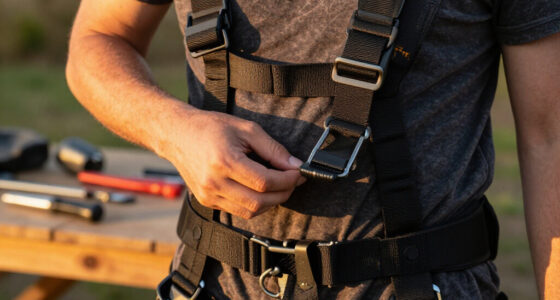
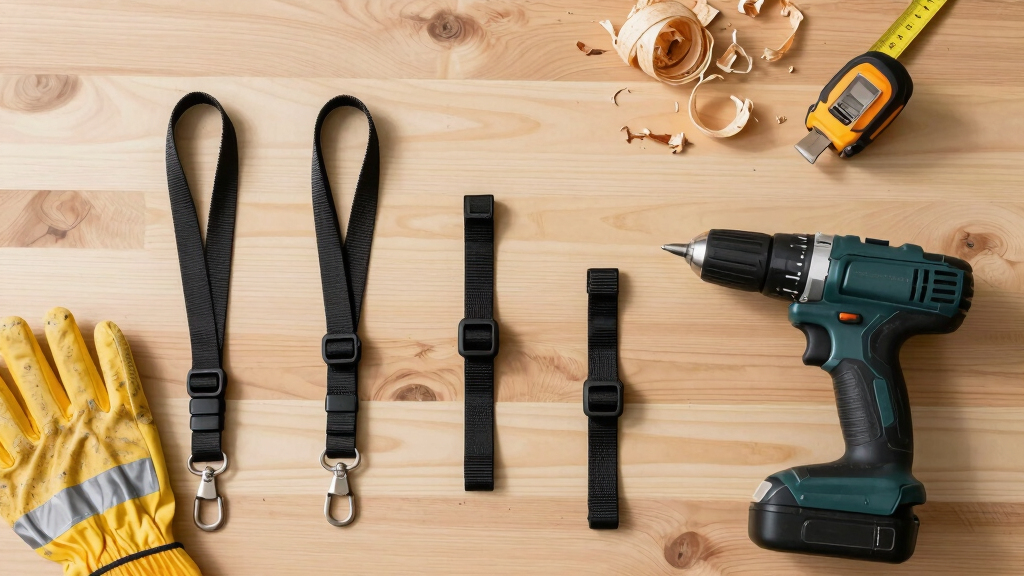
Tool lanyards are simple cords or straps that connect your tools to your belt or harness. Tethering systems are broader setups that include multiple parts—anchor points, connectors, shock absorbers. Think of a lanyard as a single link, while a tethering system is the entire chain.
For example, a worker using a cordless drill with a nylon lanyard clips the tool to their belt. If the drill slips, the lanyard keeps it close, preventing a fall. In contrast, a tethering system might include an anchor point on the scaffolding, a shock-absorbing cord, and carabiners for quick attachment.
Choosing the right setup depends on the work environment and tool weight. Heavy tools, like a 10-pound impact wrench, need stronger, reinforced tethers. Lanyards are best for lighter, handheld tools, while complex systems suit larger equipment.
tool lanyards and tethering systems
As an affiliate, we earn on qualifying purchases.
As an affiliate, we earn on qualifying purchases.
Material Matters: What Your Tethering System Should Be Made Of
Durability is king when it comes to tethering materials. Nylon and polyester are common—they’re flexible, resistant to abrasion, and handle environmental challenges like UV rays and chemicals. Steel cables are tougher but heavier and less flexible.
Imagine working on a sunny rooftop; the last thing you want is a nylon cord that frays after a few months. High-performance fibers like Dyneema or Spectra are game-changers—they’re lighter, stronger, and cut-resistant, making them ideal for demanding jobs.
For instance, a construction crew replacing a roof might choose Dyneema tethers because they withstand sharp edges and harsh weather, extending the lifespan of their safety gear.
Choosing the right material isn’t just about durability; it impacts the safety and efficiency of your work. Heavier or less flexible materials may restrict movement or add unnecessary weight, which can cause fatigue or reduce dexterity. Conversely, high-performance fibers improve both safety margins and worker comfort, especially over long shifts in challenging environments.
safety tool lanyards for construction
As an affiliate, we earn on qualifying purchases.
As an affiliate, we earn on qualifying purchases.
How Do You Attach and Secure Tools Correctly?
- Identify a strong, reliable anchor point—like a reinforced beam or a designated tie-off point.
- Choose an appropriate connector—such as a carabiner that meets safety standards.
- Attach the tool’s lanyard or tether securely, ensuring it won’t slip or disconnect.
- Keep the tether length short enough to prevent the tool from hitting the ground but long enough for comfortable use.
- Regularly inspect all hardware for signs of wear or damage before starting work.
For example, on a busy construction site, a worker toggles a heavy impact driver onto a strong anchor point. The carabiner clicks shut, and a quick visual check confirms it’s locked. During the day, they glance over to ensure the tether remains intact—simple, effective, safe.
Proper attachment is critical because even a small oversight can lead to catastrophic failure if the hardware isn’t secure or if the tether isn’t correctly rated for the tool’s weight. Using subpar connectors or neglecting regular checks increases the risk of accidental detachment, which defeats the purpose of tethering altogether. Always prioritize quality hardware and consistent inspection routines to maintain safety integrity.
As an affiliate, we earn on qualifying purchases.
What Safety Standards and Regulations Should You Follow?
Tool tethering isn’t just good practice—it’s often a legal requirement. OSHA mandates fall protection measures when working at heights where tools might fall and cause injury. ANSI standards specify load ratings, hardware strength, and inspection routines.
For example, OSHA’s regulation 1926.502 emphasizes that all fall protection gear must be inspected daily and replaced if damaged. Using tethering systems that aren’t rated for your tool’s weight can lead to failures—and serious accidents.
Always verify that your tethering equipment complies with local safety codes. This isn’t just paperwork—it’s your safety net.
Understanding these standards helps you make informed choices about the equipment you use. Non-compliance doesn’t just risk legal penalties; it jeopardizes lives. When selecting tethering gear, ensure it’s certified by recognized safety organizations and rated for your specific application. This due diligence ensures your safety measures are effective and compliant, reducing liability and preventing accidents.
As an affiliate, we earn on qualifying purchases.
Recent Innovations Making Tethering Safer and Smarter
Advances in materials and design are improving tethering safety. High-performance fibers like Dyneema provide higher strength-to-weight ratios and better abrasion resistance. Shock absorbers now incorporate better energy absorption, reducing the impact force if a fall occurs.
Imagine working on a tall scaffold when suddenly a tool slips. A new shock-absorbing lanyard minimizes the jolt, protecting your joints. Modular systems let you customize tether lengths and components based on the task, saving time and reducing clutter.
Some systems even integrate sensors that monitor tension, alerting workers if a tether’s load exceeds safe levels—like a built-in safety alarm for your gear.
These innovations aren’t just about convenience—they directly impact safety. Shock absorbers help prevent injuries caused by sudden falls or jerks, while sensor technology provides real-time feedback, allowing immediate corrective action. Embracing these advancements can significantly lower accident rates and improve overall safety culture on site.
How Often Should You Check and Maintain Your Tethering Gear?
Regular inspections are non-negotiable. Before each shift, visually check for fraying, cuts, corrosion, or loose hardware. Once a month, perform a more thorough inspection, testing hardware strength and replacing worn parts.
For example, after a day working in a dusty warehouse, a worker notices a small fray on their nylon lanyard. They swap it out immediately, avoiding a potential failure later. Keeping a maintenance log helps track wear and ensures compliance.
Remember: a damaged tether is a weak link. Replace or repair equipment immediately—your safety depends on it. Neglecting maintenance can lead to unnoticed deterioration, which might result in sudden failure during critical moments, causing accidents or injuries. Developing a routine checklist and documenting inspections can catch issues early, ensuring continuous safety and extending the lifespan of your equipment.
Frequently Asked Questions
What types of tools should I tether?
Any tool that could fall and cause injury or property damage should be tethered—heavy impact drivers, cordless drills, hammers, or even small sharp tools on elevated platforms. When in doubt, tether it.How do I pick the right tethering system?
Match the tether’s weight rating to your tool’s weight, consider environmental factors like weather or chemicals, and ensure it complies with safety standards. Ease of attachment and quick release are also key.Are there safety standards I must follow?
Yes. OSHA and ANSI set specific requirements for tethering equipment, including load ratings, hardware quality, and inspection routines. Always select certified gear and follow local regulations.How often should I check my tethering gear?
Inspect your gear daily before use. Look for frays, corrosion, or damage. Perform more thorough inspections periodically—at least once a month—and replace worn parts immediately.Can I use any tether with every tool?
Most handheld tools can be tethered, but some larger or specialized tools might need custom solutions. Check weight ratings and compatibility before attaching.Conclusion
Tool tethering isn’t just a safety checkbox—it’s a vital part of your daily routine. A well-chosen, properly maintained tethering system keeps your tools secure and your workplace safe. Remember, a dropped tool can be more than just an annoyance—it can be a serious injury or costly damage.
Next time you gear up, double-check your tethering setup. Keeping safety tight is a small step that makes a big difference. Your tools—and your coworkers—will thank you for it.
Fall Picks
fall essentials
As an affiliate, we earn on qualifying purchases.