
TL;DR

Get business pricing on tools and workshop supplies
- Business-only prices and quantity discounts
- Tax-exempt purchasing
- Multiple users, one account, clear invoices
Safety glasses protect your eyes from impact and debris, while face shields cover your face against splashes and larger hazards. Many workers combine both for complete protection, especially in high-risk tasks.
On any busy construction site, your PPE choices can mean the difference between a safe day and a trip to the emergency room. Yet, many workers either underestimate the value of proper eye and face protection or rely on just one type of gear. Knowing when to wear safety glasses, face shields, or both can save your sight and skin. This guide cuts through the confusion, showing you exactly what each offers—and how to use them for real-world protection.
Forget vague advice. You’ll learn about the specific hazards each PPE protects against, recent innovations making gear more comfortable, and practical tips for choosing the right combo for your tasks. Ready to upgrade your safety game? Let’s get into it.
Safety glasses protect against impact and are essential for impact hazards.
Face shields provide broad face coverage but should be used with safety glasses for impact risks.
Combining PPE offers the best protection for complex site hazards.
Choosing PPE should be based on hazard assessment, not just convenience.
Recent innovations improve comfort, reduce fogging, and extend PPE lifespan.
What’s the Difference? Safety Glasses vs Face Shields — Here’s the Real Deal
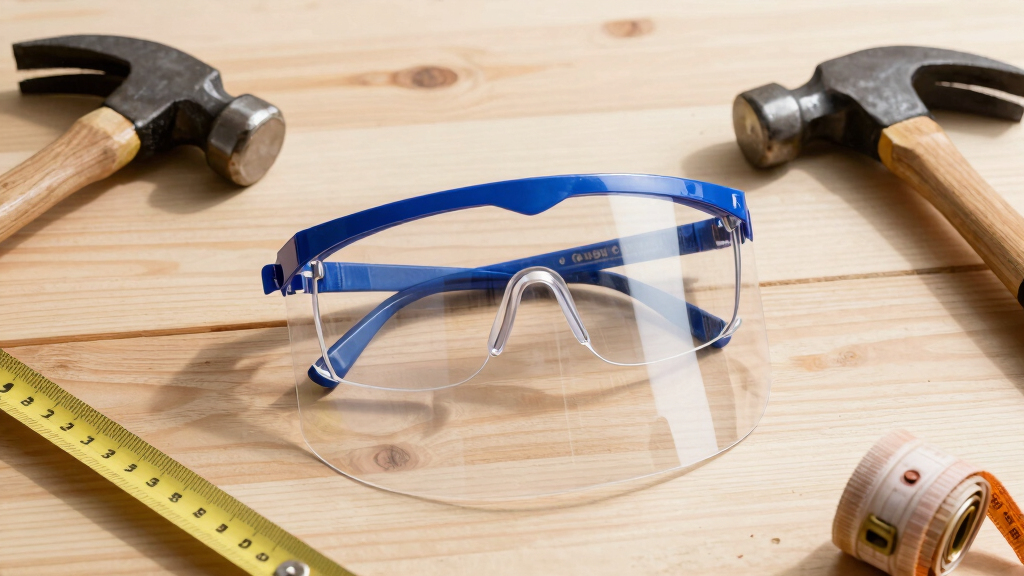
Safety glasses are small, impact-resistant lenses designed to shield your eyes from flying debris, dust, and minor splashes. They’re lightweight, fit snugly, and usually meet impact standards like ANSI Z87.1. Think of them as your first line of defense when hammering nails or cutting wood.
Face shields are large, transparent barriers that cover your entire face, sometimes extending to your neck. They protect against chemical splashes, sparks, molten metal, and biological hazards. They’re often made from durable polycarbonate and are a must for welding or grinding. But, they don’t replace safety glasses—they’re a complementary layer.
Imagine a worker grinding metal. Safety glasses block tiny shards flying at high speed, while the face shield stops sparks and hot debris from hitting your face. Both serve different, crucial roles—use them together when needed.
impact-resistant safety glasses ANSI Z87.1
As an affiliate, we earn on qualifying purchases.
As an affiliate, we earn on qualifying purchases.
Which PPE Fits Which Job? Real-World Examples of When to Wear Safety Glasses or Face Shields
Every task has its risks. For example, when you’re drilling into wood, safety glasses protect your eyes from sawdust and tiny fragments. In contrast, if you’re welding, the intense UV light and sparks demand a face shield for full-face coverage, with safety glasses underneath for impact protection.
Here’s a quick breakdown:
| Task | Recommended PPE | Why |
|---|---|---|
| Hammering nails or cutting wood | Safety glasses | Impact protection from flying chips and splinters |
| Welding or grinding metal | Face shield + safety glasses underneath | Sparks, hot metal, and UV rays demand full face and eye safety |
| Handling chemicals or biological hazards | Face shield (preferably with a splash guard) | Prevent splashes from reaching your face and eyes |
full face shield for welding and grinding
As an affiliate, we earn on qualifying purchases.
As an affiliate, we earn on qualifying purchases.
Comfort and Clarity: What You Need to Know About Wearing PPE All Day
Safety glasses are like wearing sunglasses—lightweight, clear, and less bulky. You hardly notice them, which makes them perfect for long shifts. Face shields, on the other hand, can feel like wearing a plastic mask. They might fog up or cause glare, especially in humid or hot conditions.
Recent innovations help. Anti-fog coatings keep shields clear longer. Adjustable straps and ergonomic designs fit better, reducing fatigue and discomfort. If you’re working all day, comfort isn’t just nice—it’s a safety factor.
Pro tip: Use anti-fog sprays and ensure proper ventilation around your PPE. Better visibility keeps you safe from unexpected hazards.
combination safety glasses and face shield set
As an affiliate, we earn on qualifying purchases.
As an affiliate, we earn on qualifying purchases.
Impact Resistance and Standards — What You Need to Know
Safety glasses are tested for impact resistance—meaning they can withstand flying debris or accidental strikes. They must meet standards like ANSI Z87.1 or EN 166, ensuring durability. Face shields, however, mainly guard against splashes and large debris but aren’t impact-rated.
Understanding impact standards is crucial because it determines how well PPE can withstand real hazards. For example, impact-rated safety glasses are essential when working with flying objects, as they prevent serious eye injuries. Conversely, using a non-impact-rated face shield in impact-heavy environments might give a false sense of security, leaving you vulnerable. The tradeoff is that impact-rated PPE can sometimes be heavier or less comfortable, so balancing safety with comfort is key. When selecting gear, consider the specific hazards and choose PPE that meets the relevant impact standards for those risks.
anti-fog safety glasses for construction
As an affiliate, we earn on qualifying purchases.
As an affiliate, we earn on qualifying purchases.
Combining PPE: How to Get Maximum Protection Every Time
The safest approach? Use safety glasses AND a face shield together when hazards overlap. Impact hazards? Glasses with impact-rated lenses. Chemical splashes? Face shield plus goggles or glasses underneath. This combo offers full coverage—eyes, face, and neck.
Here’s a simple step-by-step:
- Identify the hazard—impact, splash, sparks, or biological risk.
- Choose impact-rated safety glasses for impact hazards.
- Add a face shield for splash or spark protection.
- Ensure all PPE fits well and is comfortable enough for long wear.
This layered approach isn’t just about compliance; it’s about understanding that no single piece offers complete protection in all scenarios. Combining PPE allows you to tailor your safety setup to the specific risks, minimizing the chance of injury and maximizing confidence during demanding tasks.
Latest Innovations in PPE: Comfort, Clarity, and Safety
New materials and designs make PPE more comfortable and effective. Lightweight, impact-resistant plastics with anti-fog coatings are now common. Ventilated face shields reduce fogging, while adjustable straps improve fit.
Some face shields now integrate head-mounted lighting or breathing vents. These features make PPE more adaptable to different tasks and environments—saving you from discomfort and reducing the risk of fog, glare, or fatigue.
Staying updated on these innovations helps you pick gear that lasts longer and performs better under real site conditions.
Frequently Asked Questions
Can I wear a face shield without impact-rated glasses?
No. Face shields alone don’t provide impact resistance for your eyes. For impact hazards, always wear impact-rated safety glasses underneath the shield.
How do I prevent fogging on my face shield?
Use anti-fog coatings, keep the shield clean, and ensure proper ventilation around your PPE. Some shields have built-in ventilation or adjustable straps to improve airflow.
Are PPE standards different for impact and splash protection?
Yes. Impact protection PPE must meet standards like ANSI Z87.1, while splash and chemical protection gear may follow other certifications. Always check labels before use.
How often should I replace my PPE?
Inspect regularly for cracks, scratches, or fogging. Replace PPE immediately if damaged or if coatings wear off. Regular cleaning extends lifespan and maintains safety.
Conclusion
Don’t settle for half-measures. Understanding the roles of safety glasses and face shields lets you build a complete shield against hazards. When in doubt, wear both—your eyes and face will thank you.
Imagine a day when you work confidently, knowing your PPE is doing its job. That’s the real safety upgrade. Protect your sight—gear up smartly, work safely.
Halloween Picks
halloween
As an affiliate, we earn on qualifying purchases.