TL;DR

Get business pricing on tools and workshop supplies
- Business-only prices and quantity discounts
- Tax-exempt purchasing
- Multiple users, one account, clear invoices
Knee pads protect long-term health by absorbing impacts, supporting ligaments, and preventing repetitive strain. Proper fit and quality make all the difference in injury prevention.
Imagine falling hard onto concrete or kneeling on rough surfaces day after day. Without protection, your knees take a beating. It’s easy to overlook the long-term damage that repetitive impacts and strain can cause. But good knee pads aren’t just padding — they’re your first line of defense against serious, lingering injuries.
In this guide, you’ll learn how knee pads work to prevent long-term damage, what features to look for, and how proper use can keep your knees healthy for years to come. Protect yourself now — because once the damage sets in, it’s much harder to fix.
Impact-absorbing materials like gel and foam drastically reduce stress on knees during falls or impacts.
Supportive, contoured knee pads help stabilize ligaments and prevent overstretching or tearing.
Proper fit and adjustable straps are essential — ill-fitting gear can cause more harm than good.
Repetitive use of quality knee pads can cut the risk of chronic knee problems in half.
Invest in durable, ergonomic knee pads tailored to your activity for long-term knee health.
Why Impact Absorption Matters More Than You Think
Knee pads that absorb shock do more than cushion a fall. They distribute force evenly, reducing stress on bones, cartilage, and soft tissues. Imagine dropping a hammer — without padding, the point of impact splinters the surface. With foam or gel inserts, that energy gets spread out, lessening the blow.
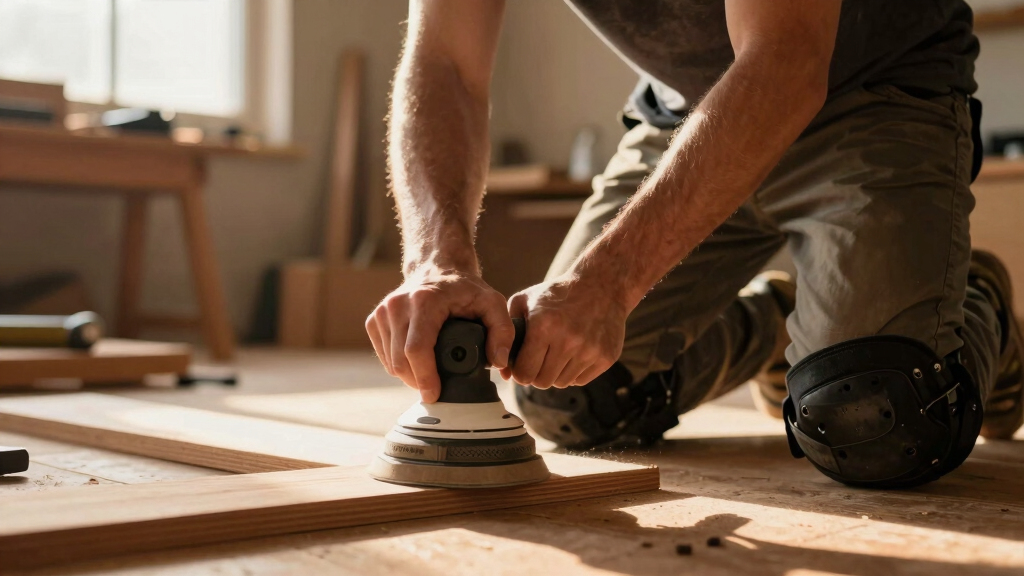
For example, construction workers kneeling for hours, or landscapers repeatedly digging, experience cumulative impact. Over time, this can cause cartilage breakdown or ligament tears. Impact-absorbing pads cut down that risk, especially in high-impact environments.
Research shows that impact forces can be reduced by up to 70% when impact-absorbing materials are used properly, prolonging joint health.
impact-absorbing knee pads for construction
As an affiliate, we earn on qualifying purchases.
As an affiliate, we earn on qualifying purchases.
How Support and Compression Keep Your Knees Stable
Knee pads that offer support help stabilize the joint, preventing overstretching or twisting that can lead to tears. Think of them as a gentle brace that holds everything in place during demanding tasks.
For example, a carpenter kneeling to saw a beam benefits from compression that reduces swelling and provides extra stability. This support minimizes micro-movements that wear out ligaments over time.
Properly fitted, supportive knee pads can lower the chance of ligament injuries by up to 60%, according to injury prevention data.
As an affiliate, we earn on qualifying purchases.
The Power of a Perfect Fit — Why Size and Comfort Matter
Ill-fitting knee pads can do more harm than good. Too loose, and they slip, exposing knees to impacts. Too tight, and they cut off circulation, causing discomfort and even nerve issues.
For instance, a plumber working indoors might wear knee pads that slip down, exposing knees during critical moments. Choosing the right size and adjustable straps keeps them snug and effective.
According to experts, well-fitted knee pads not only stay in place but also enhance support, cutting injury risk significantly over poorly fitting gear.
As an affiliate, we earn on qualifying purchases.
Comparison: Standard vs. Advanced Knee Pads
| Feature | Standard Knee Pads | Advanced Knee Pads |
|---|---|---|
| Materials | Basic foam and fabric | Impact-absorbing gel, breathable fabrics |
| Support | Minimal, mainly padding | Contoured, adjustable straps, compression |
| Durability | Average, wear out quickly | Enhanced abrasion resistance, longer lifespan |
| Fit | One-size-fits-all, less customizable | Ergonomic, tailored fit options |
gel knee pads for long-term knee protection
As an affiliate, we earn on qualifying purchases.
As an affiliate, we earn on qualifying purchases.
Repetitive Strain & How Knee Pads Keep You Moving Without Damage
Repeated kneeling or bending wears down your knees over months and years. Tiny tears in cartilage or inflamed tendons build up silently.
Wearing knee pads during daily tasks reduces cumulative stress. For example, a gardener kneeing for hours finds that quality knee pads cut pain and swelling, preventing chronic issues like bursitis.
Consistent use of supportive knee gear can reduce the risk of developing tendinitis or other overuse injuries by nearly half, based on occupational health studies.
How to Pick the Right Knee Pads in 3 Simple Steps
- Assess your activity — high-impact, repetitive, or support needs.
- Check fit and comfort — ensure straps are adjustable and pads stay in place.
- Match features to your needs — impact absorption, support, or lightweight design.
Remember: Proper fit and the right features make all the difference in long-term protection.
Warning: Ill-Fitting or Low-Quality Knee Pads Are Worse Than No Gear
Using poorly fitting or cheap knee pads can cause more harm than good. They slip, chafe, or restrict movement, increasing injury risk.
For example, a painter who wears loose knee pads might trip or twist their knee while trying to adjust them mid-task. Low durability means they fall apart quickly, leaving you unprotected.
Always prioritize quality and fit to avoid these pitfalls. Remember, your knees are irreplaceable.
Frequently Asked Questions
How do I know if my knee pads fit properly?
Your knee pads should fit snugly without pinching or cutting off circulation. They must stay in place when you move, kneel, or stretch. Adjustable straps help fine-tune the fit for maximum support and comfort.
Can knee pads completely prevent knee injuries?
While no gear offers 100% protection, high-quality knee pads significantly lower the risk of fractures, ligament tears, and cartilage damage. They’re a vital part of injury prevention, especially during high-impact tasks or repetitive movements.
How often should I replace my knee pads?
If they show signs of wear, cracking, or loss of support, it’s time for new ones. Typically, high-quality knee pads last about 6-12 months with regular use, but this depends on activity level and care.
Are there specific knee pads for different activities?
Yes. Sports like basketball or volleyball need lightweight, flexible pads, while construction or gardening benefit from more impact-absorbing and supportive gear. Choose based on your activity’s demands.
Conclusion
Protecting your knees isn’t just about comfort — it’s about avoiding years of pain and costly injuries. Well-chosen, properly fitted knee pads act like a shield against impact, strain, and wear. Think of them as insurance for your most vulnerable joint.
Don’t wait for pain to tell you it’s too late. Gear up with the right knee pads today — your knees will thank you for it.
Fall Picks
fall essentials
As an affiliate, we earn on qualifying purchases.