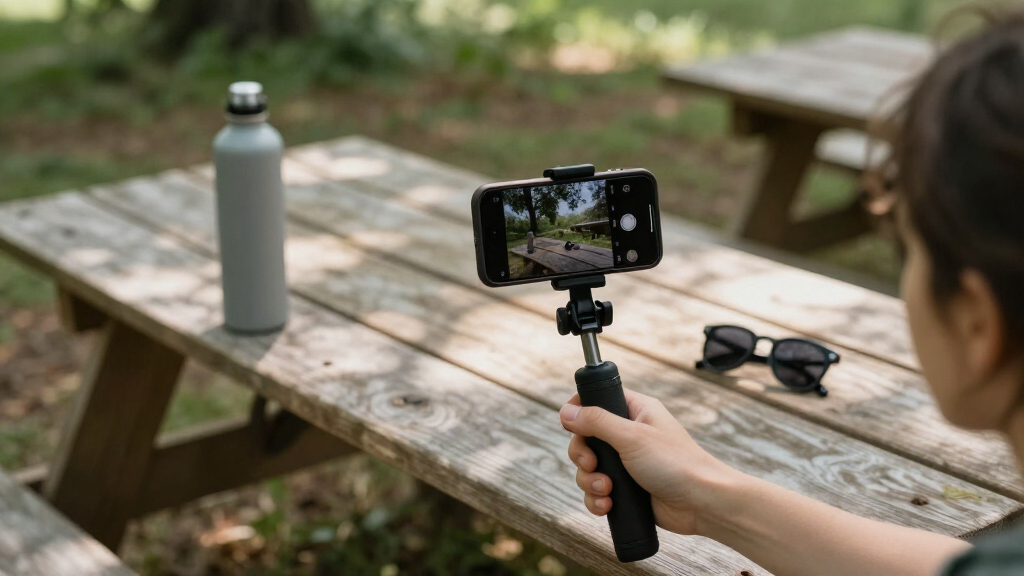

AIThis post was created with the assistance of artificial intelligence (AI).
TL;DR

Buying for a business?Offer from Amazon
Get business pricing on tools and workshop supplies
- Business-only prices and quantity discounts
- Tax-exempt purchasing
- Multiple users, one account, clear invoices
Create a free Business account Free to register
As an affiliate, we earn on qualifying purchases.
A short film titled ‘Please No Photos!’ examines tourists’ obsession with taking photos at travel sites. The film has gained attention, reflecting a growing concern over photo-centric tourism. The development underscores changing travel behaviors and raises questions about the impact on authentic experiences.
At a glance
reportWhen: ongoing, recent release of the film and…
The developmentA short film focusing on tourists’ fixation on capturing moments has gone viral, prompting renewed discussion about photo obsession during travel.
Implications of Tourists’ Photo Obsession on Travel Culture
The film’s focus on tourists’ fixation with capturing images underscores a broader shift in travel behavior that may impact the authenticity and sustainability of tourism. As travelers increasingly prioritize documenting their visits over experiencing them, there is concern that local communities and cultural sites could suffer from overuse and degradation. This trend also raises questions about the mental and emotional effects of a photo-driven travel experience, including whether it diminishes genuine human connection and personal fulfillment. The rising interest in the film reflects a societal awareness of these issues, potentially influencing future travel norms and policies aimed at promoting more mindful tourism practices.Products Worth Considering

Greenworks 24V Brushless 10-Tool Combo Kit with Batteries and USB-C Charger

Greenworks 24V 5-Tool Combo Kit with 4.0Ah and 2.0Ah Batteries, USB-C Power Bank, and 65W Charger

DEWALT 15 Amp 8-1/4-Inch Compact Portable Jobsite Table Saw (DWE7485)
As an affiliate, we earn on qualifying purchases.
Rising Interest in Photo-Driven Tourism and Cultural Impact
Over the past decade, there has been a marked increase in tourists taking extensive photos during trips, often prioritizing social media sharing over authentic engagement. This shift is linked to the rise of smartphones and social media platforms, which encourage sharing curated travel experiences. Experts note that destinations popularized by viral photos have experienced overtourism, leading to environmental and infrastructural challenges. The recent spike in coverage and search interest around this trend appears to be triggered by the viral success of the ‘Please No Photos!’ film, although the exact origin of this surge remains unconfirmed. The trend is part of a larger conversation about sustainable tourism and the preservation of cultural heritage in the face of mass travel.Unconfirmed Origins and Broader Impact of the Trend
It is not yet clear whether the recent spike in coverage and interest is solely due to the viral success of the ‘Please No Photos!’ film or if broader societal shifts are contributing. The long-term impact of this trend on tourism practices and cultural preservation remains uncertain, and further studies are needed to assess whether this film will influence traveler behavior or policy changes.Potential Shifts in Tourism Behavior and Policy Responses
Experts anticipate increased discussions around sustainable tourism and mindful travel practices. Future initiatives may include campaigns encouraging travelers to engage more deeply with destinations without relying heavily on photography. Additionally, policymakers and tourism boards might consider guidelines or incentives to promote authentic experiences and reduce overtourism caused by photo-driven behaviors. Monitoring how the trend evolves and whether it influences travel norms will be key in the coming months.Key Questions
Why has this film gained attention now?
The film’s recent online release and its relatable critique of modern travel habits have resonated with viewers, sparking widespread discussion and social media sharing.Does the film suggest tourists should stop taking photos?
The film encourages viewers to reflect on their travel habits rather than prescribing specific actions, aiming to promote more mindful engagement with destinations.Could this trend impact tourism policies?
It is possible that increased awareness could lead to policies promoting sustainable tourism practices, but concrete changes are still in development.Is this behavior new or just more visible now?
While photo-centric tourism has been growing over the past decade, recent social media trends and viral content have made it more visible and a subject of public debate.Source: rss