
TL;DR

Get business pricing on tools and workshop supplies
- Business-only prices and quantity discounts
- Tax-exempt purchasing
- Multiple users, one account, clear invoices
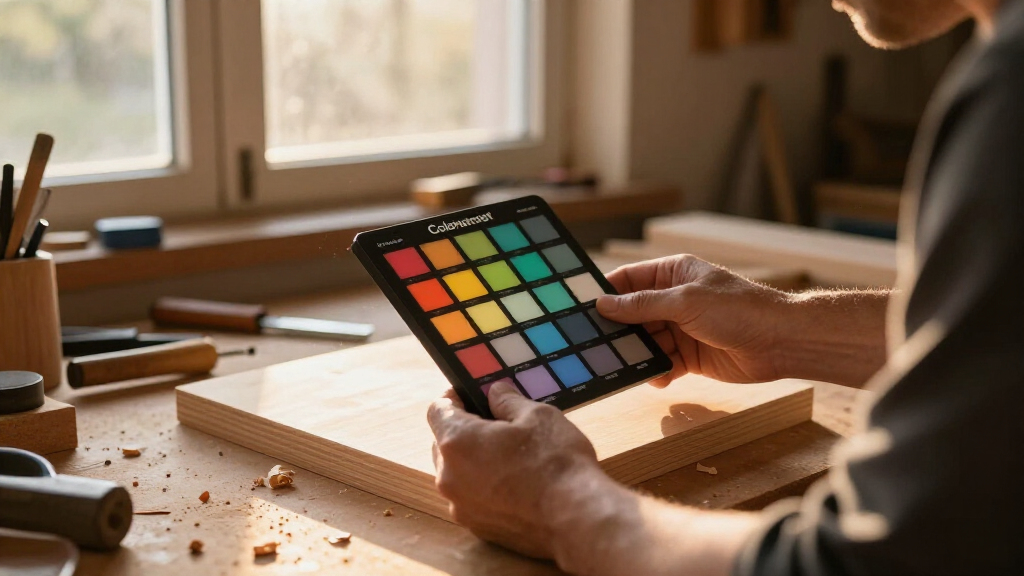
The ColorChecker, a vital tool for photographers and color professionals, turns 50 this year. Its 24-color grid has become a standard for color calibration, and the milestone highlights its enduring influence. The celebration underscores its significance in ensuring color accuracy in imaging.
The ColorChecker, an essential tool for photographers and color professionals, is celebrating its 50th anniversary this year. Known for its distinctive grid of 24 color squares, it has become a universal standard for color calibration and accuracy in digital imaging. The milestone underscores the tool’s enduring importance in ensuring consistent, true-to-life colors across a wide range of photographic applications.
Developed in the early 1970s, the ColorChecker was created to provide a reliable reference for color calibration in photography and printing. Its 24 color patches include primary, secondary, and neutral tones, designed to cover a broad spectrum of colors encountered in real-world scenes. Over the decades, it has been adopted by professional photographers, colorists, and imaging scientists worldwide.
Recent search interest and coverage spikes suggest renewed recognition of its importance in digital workflows, especially as new camera sensors and display technologies emerge. While the original design has remained largely unchanged, various editions and adaptations have been released to suit modern needs, including digital versions and software integration.
Industry experts emphasize that the ColorChecker remains a fundamental tool for achieving accurate color reproduction, especially in high-end photography, filmmaking, and printing. Its use is often considered a best practice in professional workflows, with many photographers and labs relying on it for consistent results.
Why the 50-Year Milestone Reinforces Its Industry Role
The 50th anniversary of the ColorChecker highlights its status as an industry-standard tool for color calibration. Its widespread adoption has helped establish consistent color management practices across photography, printing, and digital imaging. As technology evolves, the ColorChecker’s continued relevance underscores its foundational role in achieving color accuracy, which is critical for professional quality control and creative fidelity.
This milestone also prompts reflection on how color calibration tools adapt to new digital workflows, including software-based solutions and automated color management systems. The enduring presence of the ColorChecker suggests that physical reference tools still hold value in an increasingly digital landscape.
ColorChecker Classic 24-Color Calibration Card
As an affiliate, we earn on qualifying purchases.
As an affiliate, we earn on qualifying purchases.
Historical Development and Industry Adoption of the ColorChecker
The ColorChecker was first introduced in the early 1970s by the company Macbeth, which later became part of X-Rite. Its design was based on the need for a standardized reference to calibrate cameras, scanners, and printers. Over the years, it gained recognition among professional photographers and color scientists for its reliability and ease of use.
Throughout the 1980s and 1990s, the ColorChecker became a staple in studio and field photography, often used in conjunction with color management software. Its consistent use helped improve color fidelity in commercial printing, advertising, and fine art photography. The development of digital cameras and editing software in the 2000s further cemented its importance, with many manufacturers integrating ColorChecker profiles into their workflows.
Although no major redesign has been announced, the tool has seen various editions, including digital formats and software plugins, reflecting ongoing efforts to keep it relevant amid technological change.
X-Rite ColorChecker Passport Photo
As an affiliate, we earn on qualifying purchases.
As an affiliate, we earn on qualifying purchases.
Unconfirmed Developments and Future Plans for the ColorChecker
There are no publicly announced plans for redesigns or new editions to mark the anniversary. It is unclear whether the manufacturer will release special editions or digital updates to commemorate the milestone. Industry insiders suggest that the core product remains unchanged, but further details are not yet confirmed.
Additionally, the extent to which the tool’s influence will be highlighted in upcoming industry events or marketing campaigns remains uncertain.
Color calibration tools for photographers
As an affiliate, we earn on qualifying purchases.
As an affiliate, we earn on qualifying purchases.
Next Steps in Celebrating the 50th Anniversary
Expect industry publications, trade shows, and manufacturer websites to feature reflections on the ColorChecker’s history and significance. Some companies may release commemorative editions or enhanced digital versions to mark the milestone. Researchers and educators are likely to continue emphasizing its importance in color management education.
Further announcements from X-Rite or related organizations could clarify future developments or special initiatives tied to the anniversary.
digital color calibration reference
As an affiliate, we earn on qualifying purchases.
As an affiliate, we earn on qualifying purchases.
Key Questions
Why is the ColorChecker considered so important in photography?
The ColorChecker provides a standardized reference with 24 color patches that help calibrate cameras, monitors, and printers, ensuring consistent and accurate color reproduction across different devices and workflows.
Has the design of the ColorChecker changed over the years?
While the original design has remained largely unchanged, there have been various editions and digital adaptations to suit modern digital workflows and display technologies.
Will there be any special editions or celebrations for the anniversary?
There are no confirmed plans yet, but industry speculation suggests possible commemorative releases or digital updates may be announced in the coming months.
How does the ColorChecker compare to digital calibration tools?
Physical tools like the ColorChecker are still valued for their reliability and tactile feedback, complementing digital calibration methods that rely on software and automated processes.
What industries benefit most from the ColorChecker?
Photography, printing, filmmaking, and color science are the primary industries that rely heavily on the ColorChecker for ensuring color fidelity and consistency.
Source: hn
Halloween Picks
halloween
As an affiliate, we earn on qualifying purchases.