
TL;DR

Get tools and workshop supplies delivered free — and shop member deals
- Fast, free delivery on millions of items
- Access to Prime Big Deal Days deals on October 6–7
- Prime Video, Amazon Music and more included
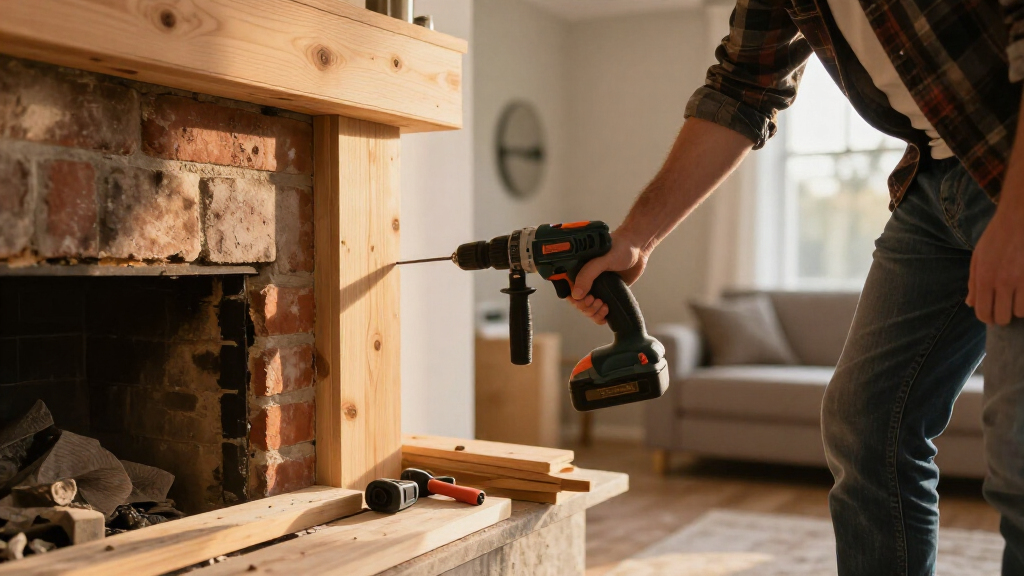
A family has removed their brick fireplace from the living room and reports no regrets. The change reflects a broader trend toward modern interior updates, with potential impacts on home value and design preferences.
A family has removed their traditional brick fireplace from the living room and reports no regrets about the decision. The change was motivated by a desire for a more open, modern space, reflecting a growing trend among homeowners to update or eliminate fireplaces for aesthetic and functional reasons.
The homeowners, who wish to remain anonymous, replaced their brick fireplace with a sleek, minimalist feature that better fits their contemporary interior design. According to their account, the removal has made the living room feel larger and more versatile, with no negative impact on their satisfaction or home value.
Experts note that fireplace removal has become increasingly common in recent years, driven by changing design preferences and energy efficiency considerations. While some homeowners choose to replace fireplaces with modern inserts or electric alternatives, others opt for complete removal, as in this case.
Real estate professionals indicate that, in some markets, removing a traditional fireplace can either have neutral or slightly positive effects on home value, especially if the feature was outdated or unused. The homeowners affirm they do not regret their decision and are pleased with the new look.
Why Removing a Fireplace Reflects Changing Home Trends
This development highlights a shift in homeowner priorities toward open-plan, minimalist interiors that favor space and light over traditional features like brick fireplaces. It underscores evolving aesthetic preferences and practical considerations, such as energy efficiency and maintenance.
For the real estate market, this trend may influence how homes are marketed and renovated, with some buyers favoring modern, streamlined spaces over traditional features. It also raises questions about the impact of fireplace removal on home value, which appears to be neutral or slightly positive in current contexts.
As an affiliate, we earn on qualifying purchases.
Recent Trends in Fireplace Removal and Home Modernization
Over the past decade, many homeowners have renovated their living spaces to reflect contemporary design trends, often removing or replacing traditional features like brick fireplaces. Industry reports indicate that fireplace removal has increased, especially in urban and suburban markets where open, airy interiors are preferred.
Historically, fireplaces served as central heating and aesthetic features, but modern homes often prioritize energy efficiency and minimalism. The trend toward electric or ventless fireplaces has also contributed to the decline in traditional brick fireplace installations.
Previous surveys show that homeowners who remove fireplaces often do so to create more usable space, improve lighting, or update the home’s style, with many reporting satisfaction post-renovation.
modern minimalist fireplace surround
As an affiliate, we earn on qualifying purchases.
As an affiliate, we earn on qualifying purchases.
Long-Term Impact of Fireplace Removal on Home Value
It is not yet clear whether removing a brick fireplace will have a lasting impact on home resale value across different markets. While some professionals suggest neutral or positive effects, specific outcomes may vary depending on regional preferences and home features.
Further data and long-term studies are needed to confirm the overall market impact of such renovations.
As an affiliate, we earn on qualifying purchases.
Future Trends and Homeowner Decisions on Fireplace Removal
As more homeowners consider removing traditional fireplaces, industry experts anticipate continued growth in modern, open-concept interiors. Real estate markets may see increased renovation activity focused on creating versatile, minimalist spaces. Homeowners contemplating similar updates should weigh aesthetic benefits against potential market impacts and consult local professionals for tailored advice.
As an affiliate, we earn on qualifying purchases.
Key Questions
Does removing a fireplace decrease home value?
Not necessarily. In some markets, removing an outdated or unused fireplace can have a neutral or slightly positive effect on home value, especially if the space is better utilized or the home has modern appeal.
Are there alternatives to completely removing a fireplace?
Yes. Homeowners can replace traditional brick fireplaces with electric inserts, modern surrounds, or partial coverings to maintain aesthetic appeal while reducing maintenance and improving energy efficiency.
Will removing a fireplace affect heating in winter?
It depends on the home’s heating system. Many modern homes rely on central heating, making fireplaces less necessary. If heating is primarily through the fireplace, homeowners should consider alternative heating solutions after removal.
Is fireplace removal a costly renovation?
The cost varies depending on the extent of demolition and finishing work. In general, complete removal can range from a few thousand to several thousand dollars, with additional costs for interior updates.
Source: rss
Fall Picks
fall essentials
As an affiliate, we earn on qualifying purchases.