TL;DR
Anti-fog safety glasses use special coatings to stop moisture from fogging lenses, ensuring clear vision during work. Advances now offer longer-lasting, more durable options, making them a must-have for safety and efficiency.
Anti-fog coatings work by either absorbing moisture or repelling water droplets, preventing fog formation.
Durability varies; some coatings last months, others years — proper cleaning extends their lifespan.
High-quality anti-fog glasses often combine impact, scratch, UV, and fog protection in one lens.
Regular gentle cleaning and proper storage are vital to keep anti-fog coatings effective.
Investing in anti-fog safety glasses boosts safety, productivity, and comfort in humid or changing conditions.
What Are Anti-Fog Safety Glasses — And Why Do They Matter?
Anti-fog safety glasses are specially coated to fight fogging, a common problem when warm, moist air meets cooler lens surfaces. Imagine working in a chilly warehouse, then sweating during a tough task, and suddenly your glasses turn cloudy. Fogging isn’t just annoying — it’s a safety risk that can cause accidents or mistakes. These glasses matter because they help you see clearly, stay safe, and keep working uninterrupted.
They’re vital in settings like labs, construction sites, healthcare, or any place with rapid temperature shifts or high humidity. Clear vision means fewer mistakes, less frustration, and better safety overall. If your current glasses fog up when the heat kicks in or the weather turns damp, anti-fog tech can change the game for you.
As an affiliate, we earn on qualifying purchases.
How Do Anti-Fog Coatings Keep Your Glasses Clear?
- Hydrophilic Coatings: These absorb moisture and spread it evenly over the lens, creating a thin, transparent film that prevents fog from forming. Think of it like a sponge that soaks up water and keeps it from pooling. This even distribution prevents the formation of tiny water droplets that scatter light, which is what causes fog. The result is a consistently clear view, especially important during prolonged use or in environments with fluctuating humidity. However, because these coatings rely on absorption, they can become less effective over time as they fill up or wear out, requiring reapplication or replacement.
- Hydrophobic Coatings: These repel water droplets, causing moisture to bead and roll off instead of sticking. It’s like water sliding off a waxed car. This prevents fog formation by minimizing the amount of moisture that stays on the lens surface. Hydrophobic coatings are especially useful in outdoor environments where rain or splashes are common. But they can be less effective in extremely humid conditions where moisture constantly condenses. The tradeoff is that hydrophobic coatings tend to last longer and are easier to clean without degrading their performance.
- Durability: Some coatings are formulated for long-term wear, lasting months or even years, especially with proper care. Others are more temporary, designed for short-term use or specific conditions. Durability depends on the coating’s chemical composition and application method. The longevity of an anti-fog coating is crucial because frequent reapplication can be inconvenient and costly. Choosing a coating with a good balance of durability and ease of maintenance ensures sustained clarity without constant upkeep, which is vital for professionals relying on consistent vision.
For example, a worker in a cold storage plant wears anti-fog glasses with a hydrophilic coating that lasts for six months, even through daily cleaning with mild soap. Proper maintenance extends their clarity and lifespan, ensuring safety and productivity without frequent replacements.
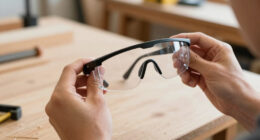
impact resistant safety glasses with anti-fog coating
As an affiliate, we earn on qualifying purchases.
As an affiliate, we earn on qualifying purchases.
What Makes Modern Anti-Fog Safety Glasses Better Than Old-Style Ones?
| Feature | Traditional Safety Glasses | Modern Anti-Fog Glasses |
|---|---|---|
| Coating Durability | Temporary, wears off after cleaning | Long-lasting, resistant to cleaning chemicals |
| Multi-functionality | Basic impact protection | Impact, anti-scratch, UV, and anti-fog in one |
| Environmental Resistance | Limited, fogs easily in humid environments | Designed for high humidity and temperature swings |
Today’s glasses often combine multiple coatings, giving you impact resistance plus fog prevention and scratch protection. This integration not only enhances safety but also reduces the need for multiple pairs or frequent replacements. The improved durability means less downtime and a better return on investment, especially for workers in demanding environments where conditions can quickly degrade lesser glasses. These advancements reflect a shift towards smarter, more resilient safety eyewear that adapts to real-world challenges, ensuring you maintain clear vision in all conditions.
As an affiliate, we earn on qualifying purchases.
How Long Do Anti-Fog Coatings Actually Last?
It varies based on the coating type, environmental factors, and maintenance routines. Some coatings are engineered for durability, lasting several months up to two years with careful cleaning and normal use. Others may degrade quickly if exposed to harsh chemicals, abrasive cleaning, or frequent wiping. This variance matters because it influences the frequency and cost of replacements, impacting overall safety and productivity. Longer-lasting coatings reduce downtime and ensure you’re not caught unprepared, but they require diligent care. Regularly following manufacturer guidelines and avoiding abrasive cleaners helps maximize lifespan, ensuring consistent clarity and safety over time.
For instance, a construction worker with a hydrophilic coating might get six months of clear vision before fogging reappears. Proper cleaning with a soft cloth and mild soap can extend this period, but neglecting maintenance accelerates degradation. Understanding the expected lifespan allows users to plan replacements proactively, maintaining safety without surprises.
safety glasses with UV protection and anti-fog
As an affiliate, we earn on qualifying purchases.
As an affiliate, we earn on qualifying purchases.
How To Keep Your Anti-Fog Glasses Working Their Best
- Clean Carefully: Use a soft, lint-free cloth and recommended cleaning solutions. Avoid abrasive wipes or harsh chemicals that can strip coatings, as this can compromise the anti-fog properties and even scratch the lens, leading to reduced clarity over time. Gentle cleaning preserves the integrity of the coating, maintaining the lens’s anti-fog effectiveness and extending its lifespan.
- Avoid Touching the Lenses: Oils from your fingers degrade the coating and cause fogging. Regularly touching or wiping with unapproved materials can introduce residues that diminish performance. Handling with care ensures the coating remains effective, keeping your vision clear during critical tasks.
- Store Properly: Keep glasses in a protective case or a clean, dry place when not in use. Proper storage prevents scratches, dust buildup, and exposure to damaging environmental factors that can weaken the coating or scratch the lens surface, both of which impair anti-fog performance.
- Replace When Needed: If fogging returns despite cleaning, it’s a sign the coating is degrading or worn out. Replacing the glasses or reapplying a compatible coating restores clarity and safety, preventing potential accidents caused by impaired vision. Regularly inspecting your eyewear ensures consistent protection and optimal performance.
One tradesperson swears by a microfiber cloth and gentle soap after every shift. It keeps her anti-fog glasses clear for months longer than simply wiping with her sleeve, illustrating how proper maintenance directly impacts longevity and safety.