
TL;DR

Get business pricing on tools and workshop supplies
- Business-only prices and quantity discounts
- Tax-exempt purchasing
- Multiple users, one account, clear invoices
Oceana Passivhaus has seen a significant increase in global media coverage, with 36 mentions in recent reports. This reflects rising interest in sustainable architecture and energy-efficient building standards worldwide.
Oceana Passivhaus has experienced a notable surge in international media coverage, with 36 mentions recorded in recent monitoring reports. This increase reflects growing global interest in sustainable architecture and energy-efficient building standards, positioning Oceana Passivhaus as a prominent topic in the green building movement.
According to data from GDELT, a media monitoring platform, Oceana Passivhaus has been mentioned 36 times within a specific recent window, a significant rise compared to baseline levels. This surge indicates that the project is gaining recognition across various international outlets, including environmental, architectural, and sustainability-focused media.
The Passivhaus standard, known for its rigorous energy efficiency and thermal comfort criteria, is increasingly being adopted worldwide. Oceana Passivhaus, as a notable example, has attracted attention due to its innovative design and potential to influence future sustainable building practices.
Experts and industry observers suggest that this increased coverage could accelerate adoption of Passivhaus principles globally, especially as governments and developers seek to meet climate targets and reduce carbon footprints in construction.
Implications of Increased Media Focus on Oceana Passivhaus
The surge in media coverage underscores a growing global emphasis on sustainable construction and energy-efficient buildings. Increased attention could lead to greater adoption of Passivhaus standards, influencing policy, investment, and architectural trends worldwide. For stakeholders, this signals a shift towards mainstream acceptance of green building practices, which are critical in combating climate change and reducing energy consumption.
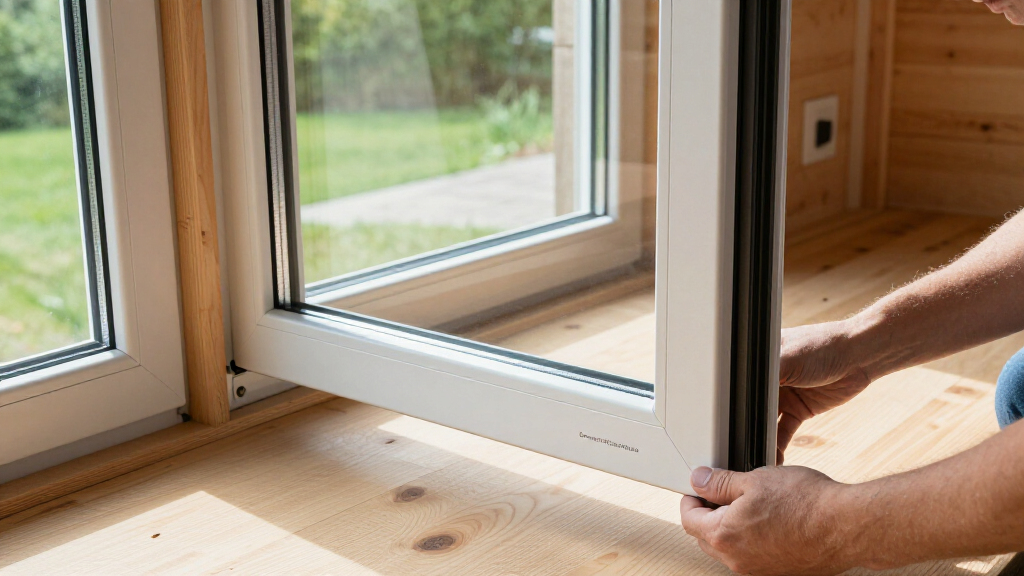
Passivhaus energy-efficient windows
As an affiliate, we earn on qualifying purchases.
As an affiliate, we earn on qualifying purchases.
Background on Oceana Passivhaus and Media Trends
Oceana Passivhaus is part of a broader movement toward sustainable architecture that emphasizes energy efficiency, thermal comfort, and environmental responsibility. The Passivhaus standard originated in Germany and has been adopted increasingly across Europe and beyond. Recent years have seen a surge in projects and media interest, driven by climate policies and technological advancements.
The current increase in coverage, recorded at 36 mentions recently, marks a notable escalation compared to previous months, reflecting heightened awareness and interest in the standard’s applications and benefits. This trend aligns with broader shifts in the construction industry toward sustainability and resilience against climate impacts.
sustainable building insulation materials
As an affiliate, we earn on qualifying purchases.
As an affiliate, we earn on qualifying purchases.
Unclear Factors Behind the Media Surge
It is not yet confirmed what specific events or developments triggered the recent spike in media mentions. The precise reasons for the surge—whether related to a new project launch, policy changes, or industry awards—remain unclear. Further analysis is needed to determine the key drivers behind this increased coverage.
thermal comfort Passivhaus products
As an affiliate, we earn on qualifying purchases.
As an affiliate, we earn on qualifying purchases.
Expected Developments Following Media Attention
Industry experts anticipate that the increased coverage could lead to more projects adopting Oceana Passivhaus standards and greater policy support for sustainable building practices. Monitoring media trends and industry responses over the coming months will clarify whether this surge signifies a sustained shift or a temporary spike.
green building sustainable architecture
As an affiliate, we earn on qualifying purchases.
As an affiliate, we earn on qualifying purchases.
Key Questions
What is Oceana Passivhaus?
Oceana Passivhaus is a building standard focused on high energy efficiency, thermal comfort, and minimal environmental impact, based on the Passivhaus certification originating in Germany.
Why is media coverage of Oceana Passivhaus increasing?
The surge may be linked to growing global interest in sustainable architecture, new project announcements, or industry recognition, but specific causes are still being investigated.
How might this media attention influence the construction industry?
Increased coverage could accelerate adoption of Passivhaus standards worldwide, influence policy development, and inspire more architects and developers to pursue energy-efficient building designs.
Is this surge likely to be temporary or sustained?
It remains uncertain whether the media attention will persist or fade; ongoing industry developments and further coverage will clarify this trend.
What are the benefits of Passivhaus buildings?
Passivhaus buildings offer significant energy savings, improved thermal comfort, and reduced environmental impact, making them increasingly attractive in the context of climate change mitigation.
Source: gdelt
Fall yard work Picks
leaf blowers
As an affiliate, we earn on qualifying purchases.