
TL;DR
Lock and secure your tool chest with sturdy locks, anchoring, and smart placement. Combining multiple security measures makes theft much harder. Regular maintenance keeps your security tight.
Ever had a valuable tool disappear from your workspace? It’s frustrating. The good news: locking your tool chest is more than just snapping a padlock shut. It’s about building a layered defense—strong locks, smart placement, and physical anchoring.
In this guide, you’ll learn how to pick the right locks, where to store your chest, and how to make theft practically impossible. No fluff—just real, actionable tips to keep your tools safe and sound.
Use heavy-duty, weatherproof locks with shrouded shackles for outdoor tool chests.
Anchor your chest to a solid surface—bolt it down tightly to cut theft chances by over 80%.
Place your tool chest inside a secure, monitored area—indoors or in a locked garage.
Layer your security with locks, anchoring, and surveillance for maximum protection.
Regularly inspect and maintain your locks to keep your tools safe long-term.
Pick the Best Lock for Your Tool Chest — Here’s How
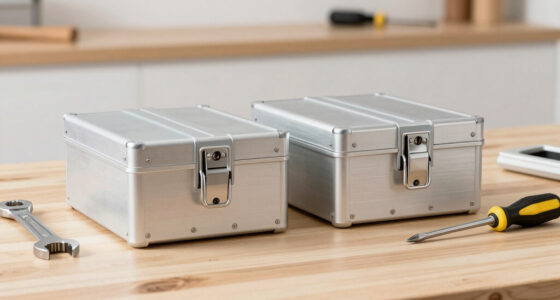
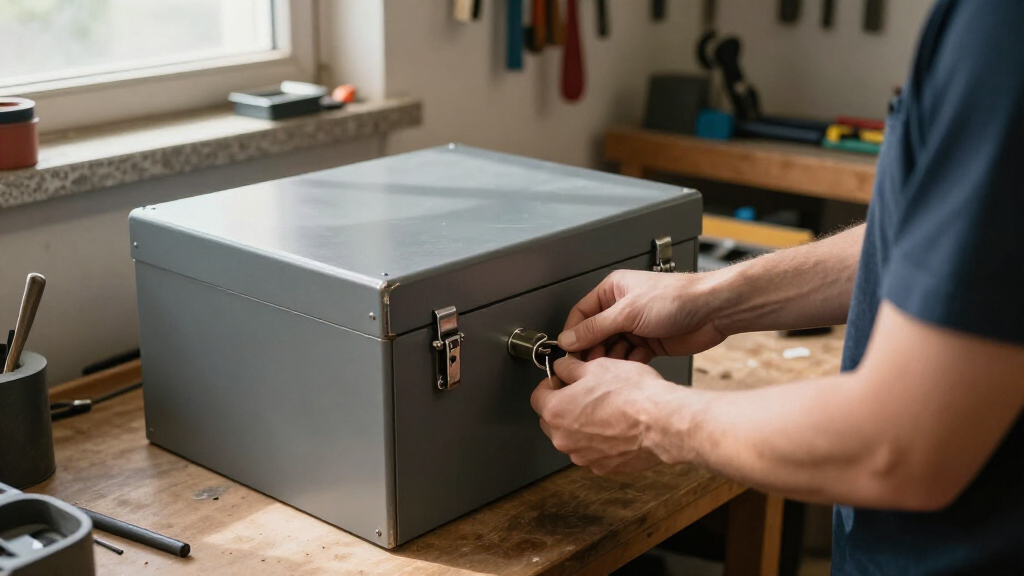
Choosing the right lock makes a huge difference. Your goal? High security, durability, and ease of use. Heavy-duty padlocks with shrouded shackles resist cutting because they prevent tools like bolt cutters from gaining leverage. Built-in locks with keys or combination dials offer convenience but often compromise on strength; they’re best when combined with other security measures. For outdoor use, weatherproof models prevent rust and corrosion, ensuring your lock remains reliable over time. Smart locks with Bluetooth or keypad access add a layer of control, allowing you to monitor access remotely or restrict entry, which is crucial if multiple people need access. According to an anonymous researcher, high-security padlocks can resist 80% of common tampering methods, but no lock is completely foolproof. The key is choosing a lock that aligns with your specific risks and environment. Material choices like hardened steel or boron alloy increase cut resistance; anti-pick features prevent lock-picking attempts; shrouded shackles make bolt cutter attacks more difficult. Weather resistance ensures the lock won’t fail due to rust or moisture, especially important if your chest is outdoors. Remember, the best lock is one that you regularly maintain and replace if compromised, because even the strongest lock is useless if it’s rusty or damaged.
heavy-duty weatherproof padlock for tool chests
As an affiliate, we earn on qualifying purchases.
As an affiliate, we earn on qualifying purchases.
How to Anchor Your Tool Chest — 3 Easy Steps That Work
Anchoring your tool chest is one of the simplest yet most effective ways to prevent theft. When a heavy, steel chest is bolted down to a solid surface, it becomes significantly harder for thieves to carry away or pry open. Imagine a heavy, steel chest sitting on a concrete floor—without anchoring, it’s a relatively easy target. When anchored properly, it requires tools and effort that often exceed a thief’s capability or willingness, especially if they’re looking for quick gains. Here’s how to do it effectively:
- Choose a strong, stable surface—concrete floors are ideal because they provide the best grip for anchors and resist movement. If you’re working indoors, ensure the surface is solid enough to hold the bolts securely; for outdoor setups, a concrete pad or thick wooden platform can suffice, but concrete remains the gold standard.
- Drill holes into the base of your chest aligned with your chosen anchor points. Precise alignment ensures the bolts pass through the base securely, preventing any wiggle room that could compromise the security.
- Use high-quality anchors—expandable or wedge anchors—and bolt the chest tightly to the surface. Tightening the anchors properly ensures maximum holding power, making it extremely difficult for someone to pry or lift the chest free.
Many tradespeople swear by this method because it’s quick, inexpensive, and dramatically reduces theft risk—by over 80%, according to security experts. While it’s not foolproof if someone has heavy equipment or enough time, anchoring deters casual thieves and adds a significant layer of security that should be part of any comprehensive plan.
anchoring kit for tool chests
As an affiliate, we earn on qualifying purchases.
As an affiliate, we earn on qualifying purchases.
Compare Locking Options — Which One Fits Your Needs?
| Lock Type | Security Level | Best For | Ease of Use |
|---|---|---|---|
| Padlock | High (if sturdy) | Portable, flexible | Easy to lock/unlock |
| Built-in lock | Moderate to high | Permanent solutions | Requires key or combination |
| Electronic/Smart lock | Very high | Remote access, monitoring | Requires power/Bluetooth |
Choosing the right lock depends on your specific needs and environment. For outdoor or high-value tools, smart locks offer the convenience of remote access and logging, which can be invaluable if multiple people need access or if you want to monitor usage. However, they require batteries and can fail if power is lost. Traditional padlocks provide a straightforward, reliable solution, especially if you select models with shrouded shackles and weatherproof features. Built-in locks are integrated into the chest, reducing the number of separate components, but they may be less flexible if you need to change security levels. Consider the tradeoffs: convenience versus complexity, cost versus security, and whether you need remote control features or just basic protection. The key is matching your choice to your environment and risk level, ensuring ease of use doesn’t compromise security.
smart lock for tool storage
As an affiliate, we earn on qualifying purchases.
As an affiliate, we earn on qualifying purchases.
Where You Store Your Tool Chest Matters — Keep It Safe
Your lock is only part of the equation. Placement plays a crucial role in overall security. Store your chest inside a locked garage, shed, or a secure storage room—preferably behind locked doors or away from windows where it’s visible or accessible. The environment matters: outdoor chests are vulnerable to weather, rust, and prying eyes, so weatherproofing and strategic placement are essential. Imagine a thief eyeing an unlocked, outdoor chest near a backyard shed—an easy target. Now picture the same chest bolted inside a locked garage, tucked behind shelves or other obstacles. The difference in security is profound. Good placement makes a thief’s job harder, increasing the time and effort needed and reducing the likelihood of theft. Additionally, consider adding a lockable cover or weatherproof box if your tools are stored outdoors. This extra barrier not only protects against the elements but also adds a visual deterrent, signaling that the contents are protected and not worth the effort.
bolt-down kit for tool chests
As an affiliate, we earn on qualifying purchases.
As an affiliate, we earn on qualifying purchases.
Add Extra Security Layers — Make Theft Nearly Impossible
Locks and placement are vital, but layering security creates a fortress that’s extremely difficult to breach. Use security cameras or motion-activated lights to monitor your storage area, which acts as a deterrent and provides evidence if theft occurs. Some tradespeople go further by installing alarms that trigger if someone attempts to move or tamper with the chest. For high-value tools or especially tempting targets, consider embedding a GPS tracker inside the chest or attaching one to individual tools. This small investment can be crucial for recovery efforts if theft occurs, providing real-time location data to authorities. For example, a contractor installed a CCTV camera overlooking his outdoor storage area. When a thief tried to cut the lock, the alarm sounded, and the police arrived within minutes. The tools remained secure, and the thief was caught, demonstrating how layered security can turn the tide in your favor. The key is to think like a thief—what would they target, and how can you make that target as unappealing and difficult as possible? Combining physical barriers, surveillance, and tracking creates a nearly impenetrable security system for your tools.
Keep Locks and Security Devices in Top Shape
Your lock only works if it’s in good shape. Regularly lubricate moving parts with graphite or silicone spray to prevent rust and ensure smooth operation. Inspect locks for signs of tampering, such as scratches, rust, or misalignment, which could indicate attempts to force entry. Rusted or sticky locks are easier to pick or force open, so maintaining their condition is essential for ongoing security. Imagine a lock that’s been ignored for a year—rusted, sticky, and easy to pick—making your security efforts pointless. Conversely, a lock that’s cleaned and greased every few months maintains its integrity and resists weather damage. Set a reminder to check your locks quarterly, and replace any that show signs of wear, corrosion, or damage. Investing a little time in maintenance ensures your security measures remain effective, providing peace of mind that your tools are protected over the long term.
Frequently Asked Questions
What is the most secure type of lock for a tool chest?
A heavy-duty, weatherproof padlock with a shrouded shackle offers the best mix of strength and tamper resistance. For added control, consider electronic or smart locks with remote monitoring.
How can I prevent my tools from being stolen outdoors?
Anchor your tool chest to a concrete floor or heavy-duty surface, store it inside a locked garage, and add surveillance or alarms. Combining these steps makes theft extremely difficult.
Is smart lock technology worth it?
Smart locks provide remote control, logs of access, and quick entry. They’re great for high-value tools or shared spaces but come with higher costs and battery maintenance. Weigh the convenience against your budget.
What should I do if my lock jams or breaks?
Contact a locksmith or replace the lock with a compatible high-security model. Keep spare keys or access codes stored securely to avoid getting locked out yourself.
How often should I inspect my locks?
Inspect your locks at least quarterly. Lubricate moving parts, check for rust, and replace any worn or damaged locks to keep your tools protected.
Conclusion
Locking your tool chest isn’t a one-and-done task. It’s about creating a fortress—strong locks, smart placement, and physical anchoring combined. These steps turn your valuable tools into an unappealing target for thieves.
Remember: the best lock is the one you forget isn’t there—until it’s too late. Take action today, and keep your tools exactly where they belong: in your hands, not someone else’s.