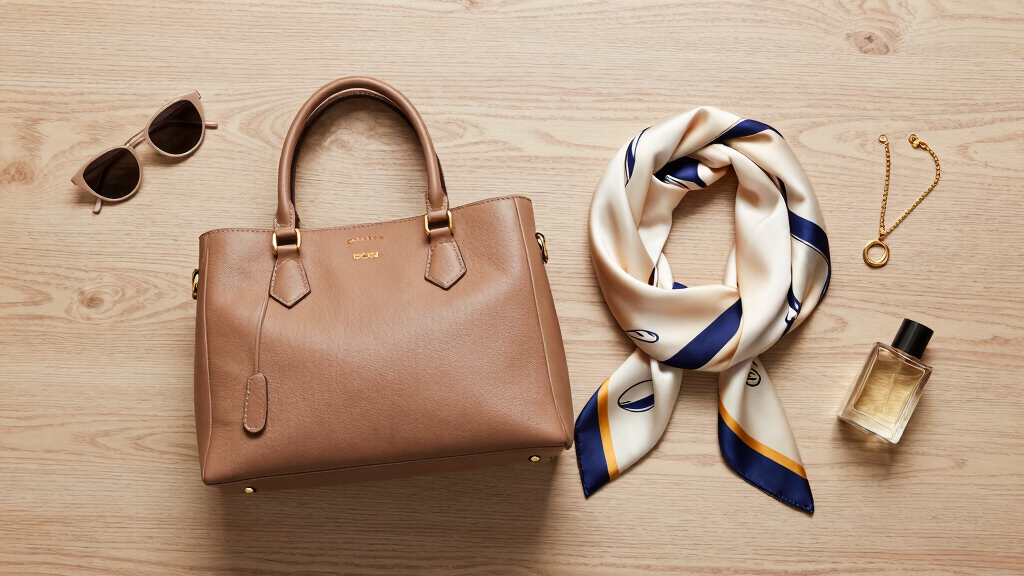

When it comes to the best luxury fashion brands, the choices often come down to heritage, innovation, and exclusivity. The top pick, Louis Vuitton, stands out for its blend of timeless craftsmanship and modern appeal, while Chanel remains a symbol of elegance. Tom Ford offers bold, contemporary designs for those seeking a statement look. However, selecting the right brand involves weighing factors like price, brand legacy, and style versatility. Continue reading for a detailed breakdown of these brands and what makes each one unique.

Get business pricing on tools and workshop supplies
- Business-only prices and quantity discounts
- Tax-exempt purchasing
- Multiple users, one account, clear invoices
Complete the kit

Key Takeaways
- Heritage brands like Louis Vuitton and Chanel continue to dominate due to their longstanding reputation and craftsmanship.
- Emerging brands such as Tom Ford appeal to consumers seeking contemporary, bold fashion statements.
- Brand versatility varies greatly; some brands focus on accessories, while others excel in full apparel collections.
- Price points can differ significantly; heritage houses tend to be more expensive but offer greater investment value.
- Understanding each brand’s core identity helps buyers align their purchase with personal style and values.
| Tom Ford |  | Best for Modern Luxury and Style | Brand Positioning: Modern luxury | Product Range: Clothing, accessories, fragrances | Price Range: Premium | VIEW LATEST PRICE | See Our Full Breakdown |
| Ralph Lauren: In His Own Fashion: The Life and Vision Behind an American Icon | 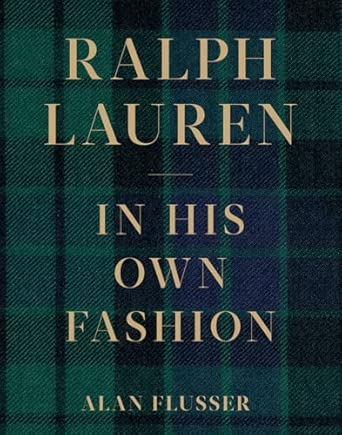 | Best for Fashion History and Inspiration | Type: Biographical and historical | Focus: Design philosophy and legacy | Illustrations: Photographs and design insights | VIEW LATEST PRICE | See Our Full Breakdown |
| Deluxe: How Luxury Lost Its Luster |  | Best for Critical Insights into Luxury Branding | Type: Analytical critique | Focus: Luxury branding decline | Content: Market trends, consumer perception | VIEW LATEST PRICE | See Our Full Breakdown |
| Louis Vuitton: The Birth of Modern Luxury, Updated Edition |  | Best for Brand History and Iconic Design Insights | Focus: Brand history and legacy | Content: Evolution of iconic designs | Illustrations: Archival and modern images | VIEW LATEST PRICE | See Our Full Breakdown |
| The Handbag Book: 400 Designer Bags That Changed Fashion |  | Best for Collector and Fashion Enthusiasts | Content: 400 influential designer bags | Images: High-quality, detailed | Stories: Backgrounds and impact | VIEW LATEST PRICE | See Our Full Breakdown |
| Chanel: Collections and Creations |  | Best for In-Depth Fashion History and Visual Inspiration | Format: Hardcover | Pages: 256 | Release Year: 2021 | VIEW LATEST PRICE | See Our Full Breakdown |
| GUCCI: The Making Of |  | Best for Brand Craftsmanship and Evolution Insights | Format: Hardcover | Pages: 192 | Release Year: 2019 | VIEW LATEST PRICE | See Our Full Breakdown |
| The Luxury Strategy: Break the Rules of Marketing to Build Luxury Brands | 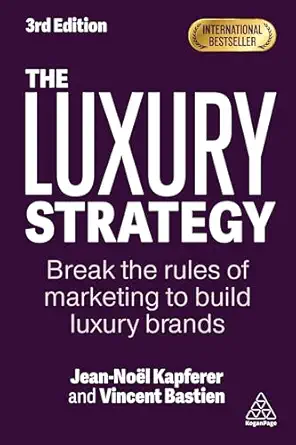 | Best for Marketing Innovation in Luxury Branding | Format: Paperback | Pages: 304 | Release Year: 2018 | VIEW LATEST PRICE | See Our Full Breakdown |
| luxury fashion brand | Format | Target Audience | Price |
|---|---|---|---|
| Tom Ford | — | Upscale, style-conscious clientele | — |
| Ralph Lauren: In His Own Fashi | Hardcover, illustrated | Fashion enthusiasts and historians | Not applicable |
| Deluxe: How Luxury Lost Its Lu | Paperback | — | Not specified |
| Louis Vuitton: The Birth of Mo | Hardcover | — | Not specified |
| The Handbag Book: 400 Designer | Hardcover, illustrated | — | Not specified |
| Chanel: Collections and Creati | Hardcover | Fashion historians, collectors | — |
| GUCCI: The Making Of | Hardcover | Designers, artisans, luxury enthusiasts | — |
| The Luxury Strategy: Break the | Paperback | Brand strategists, marketers, business students | — |
More Details on Our Top Picks
Tom Ford
Tom Ford stands out as a quintessential symbol of contemporary elegance, offering high-end clothing, accessories, and fragrances that appeal to those seeking sleek, sophisticated designs. Compared with Louis Vuitton’s rich history, Tom Ford emphasizes modern glamour with a focus on fashion-forward aesthetics. However, its premium pricing and limited range of everyday essentials may deter budget-conscious luxury buyers. This brand is perfect for those who prioritize statement-making style over wide product variety.
Pros:- High-end luxury with a focus on modern style
- Sleek, sophisticated designs that stand out
- Strong brand recognition in fashion and fragrances
Cons:- Typically expensive, limiting affordability
- Limited product range for casual or everyday use
- Focus on fashion means less variety in accessories or essentials
Best for: Fashion-conscious professionals who want to make a bold style statement with premium, sophisticated pieces
Not ideal for: Casual shoppers or those seeking a broad range of everyday luxury essentials at a lower price point
- Brand Positioning:Modern luxury
- Product Range:Clothing, accessories, fragrances
- Price Range:Premium
- Target Audience:Upscale, style-conscious clientele
- Design Focus:Sleek, sophisticated, fashion-forward
- Availability:High-end boutiques, select department stores
Our verdict“This choice is ideal for those who value contemporary luxury and bold style over broad product accessibility.”
Ralph Lauren: In His Own Fashion: The Life and Vision Behind an American Icon
This book offers a detailed look at Ralph Lauren’s impact on American style, providing insights into his design philosophy and the evolution of his brand. Unlike the luxury-focused Louis Vuitton book, this volume emphasizes the cultural significance and legacy of the label, making it a rich resource for enthusiasts interested in fashion history. While it lacks specific product details or technical specs, its beautiful imagery and storytelling inspire appreciation for timeless American style. It’s less about the physical products and more about understanding the brand’s cultural footprint.
Pros:- Deep insights into Ralph Lauren’s design philosophy
- Beautifully illustrated with historical photos
- Provides cultural context that elevates appreciation of the brand
Cons:- Lacks detailed technical or product specifications
- No pricing or consumer ratings included
- Not suitable for those seeking direct shopping information
Best for: Fashion historians, collectors, or enthusiasts seeking inspiration and knowledge about American luxury style
Not ideal for: Consumers looking for technical details or purchasing guidance on specific luxury items
- Type:Biographical and historical
- Focus:Design philosophy and legacy
- Illustrations:Photographs and design insights
- Target Audience:Fashion enthusiasts and historians
- Price:Not applicable
- Format:Hardcover, illustrated
Our verdict“Ideal for those interested in the story behind Ralph Lauren’s iconic American style rather than specific products.”
Deluxe: How Luxury Lost Its Luster
This book offers a thought-provoking critique of modern luxury brands, examining how their allure has diminished over time. Compared to the more celebratory Louis Vuitton history, this analysis dives into the perception shifts and market dynamics that have eroded luxury’s mystique. While its insights are valuable for understanding the broader industry, it provides limited specifics on individual brands or products, focusing instead on the marketing and societal aspects. It’s a must-read for those interested in the business side of luxury.
Pros:- Provides a thorough analysis of luxury branding trends
- Insightful perspectives on consumer behavior
- Engages with broader cultural shifts affecting luxury
Cons:- Lacks specific brand or product details
- Limited content on actual luxury products or collections
- No edition or publisher specifics provided
Best for: Marketing professionals, industry analysts, or consumers curious about the decline of luxury’s prestige
Not ideal for: Readers seeking detailed descriptions of specific luxury brand histories or product lines
- Type:Analytical critique
- Focus:Luxury branding decline
- Content:Market trends, consumer perception
- Audience:Industry insiders and curious consumers
- Price:Not specified
- Format:Paperback
Our verdict“Best suited for those interested in the societal and marketing changes impacting luxury brands today.”
Louis Vuitton: The Birth of Modern Luxury, Updated Edition
This book offers a comprehensive look at Louis Vuitton’s development into a modern luxury powerhouse, contrasting with the more critical perspectives of books like Deluxe. It’s richly illustrated with images that showcase the brand’s evolution and iconic designs, making it an excellent resource for fans of luxury fashion history. The updated content reflects recent developments, but it remains focused on the brand’s legacy rather than product specifics. This makes it less suited for shoppers seeking detailed technical information, but ideal for those appreciating the story behind the logo.
Pros:- In-depth history of Louis Vuitton’s rise to prominence
- Beautifully illustrated with archival and current images
- Updated edition includes recent milestones and collections
Cons:- Limited technical details on individual products
- Focuses on history rather than current product specs
- Suitable mainly for history buffs rather than shoppers
Best for: Luxury fashion enthusiasts and collectors interested in brand history and iconic design evolution
Not ideal for: Readers wanting detailed product specifications or shopping guides
- Focus:Brand history and legacy
- Content:Evolution of iconic designs
- Illustrations:Archival and modern images
- Audience:Luxury history enthusiasts
- Price:Not specified
- Format:Hardcover
Our verdict“Perfect for those who want to understand Louis Vuitton’s legacy and iconic influence in luxury fashion.”
The Handbag Book: 400 Designer Bags That Changed Fashion
This book is a treasure for handbag lovers, showcasing 400 designer bags that significantly impacted fashion history. Its detailed stories and high-quality images make it an essential for collectors and enthusiasts wanting to understand the evolution of iconic accessories. While it doesn’t focus on technical specifications or product features, it provides rich context and visual inspiration that elevate appreciation for luxury handbags. For those seeking a comprehensive overview of handbag influence, this volume offers deep insights into the stories behind the bags.
Pros:- Extensive coverage of influential designer bags
- Beautiful images paired with detailed stories
- A valuable resource for collectors and fashion historians
Cons:- No specific technical or product features
- Focused exclusively on handbags, not full fashion collections
- Limited appeal for those not interested in handbags
Best for: Fashion collectors, handbag enthusiasts, or anyone fascinated by the history of designer accessories
Not ideal for: Consumers looking for technical product specs or current shopping guides
- Content:400 influential designer bags
- Images:High-quality, detailed
- Stories:Backgrounds and impact
- Audience:Collectors and fashion historians
- Format:Hardcover, illustrated
- Price:Not specified
Our verdict“Ideal for handbag aficionados and collectors eager to explore the stories behind iconic designer bags.”
Chanel: Collections and Creations
This book stands out for its comprehensive exploration of Chanel’s evolution, weaving together stunning visuals with detailed insights into the house’s iconic collections. Compared to Gucci: The Making Of, which emphasizes craftsmanship and brand evolution, Chanel’s volume offers a broader historical perspective and a richer visual narrative. The tradeoff is that it lacks specific details on individual collections or design techniques, making it less practical for designers or fashion students. This pick makes the most sense for collectors and fashion aficionados seeking a visual feast and a deep dive into Chanel’s legacy, rather than those looking for technical insights or brand strategy.
Pros:- Comprehensive overview of Chanel’s collections over decades
- Beautiful visuals and high-quality photography
- Insightful storytelling into Chanel’s design evolution
- Ideal for visual learners and collectors
Cons:- Lacks detailed technical or construction information
- No pricing or edition-specific details
- Limited insights into Chanel’s current creative process
Best for: Fashion enthusiasts, collectors, and those passionate about haute couture history
Not ideal for: Design students or professionals seeking technical design insights or brand strategies
- Format:Hardcover
- Pages:256
- Release Year:2021
- Visual Content:High-quality photographs
- Target Audience:Fashion historians, collectors
- Language:English
Our verdict“This book is perfect for those who want to indulge in Chanel’s history and visual storytelling, rather than technical or strategic details.”
GUCCI: The Making Of
This book excels at revealing Gucci’s craftsmanship and creative evolution through exclusive images and behind-the-scenes insights, making it a strong contender for those interested in the artisanal side of luxury fashion. When compared to Chanel: Collections and Creations, which emphasizes historical breadth and visual storytelling, Gucci’s volume offers a more detailed look into the brand’s design process and craftsmanship techniques. The main tradeoff is that it provides less historical context and fewer broad collection overviews, focusing instead on specific craftsmanship stories. It’s ideal for designers, artisans, or fans who want to see the meticulous details that define Gucci’s luxury identity, rather than a sweeping historical narrative.
Pros:- Deep focus on Gucci’s craftsmanship and artisanal techniques
- Richly illustrated with exclusive images
- Provides behind-the-scenes insights into design evolution
- Great for those interested in luxury craftsmanship
Cons:- Limited coverage of Gucci’s broader brand history
- No detailed specifications or technical data
- Less suitable for readers seeking general fashion history
Best for: Fashion professionals, artisans, and enthusiasts interested in craftsmanship and design process
Not ideal for: Casual readers or those seeking a broad historical overview of luxury brands
- Format:Hardcover
- Pages:192
- Release Year:2019
- Visual Content:Exclusive photographs
- Target Audience:Designers, artisans, luxury enthusiasts
- Language:English
Our verdict“This book makes sense for those wanting an intimate look at Gucci’s craftsmanship and design secrets, rather than broad brand history.”
The Luxury Strategy: Break the Rules of Marketing to Build Luxury Brands
This book stands out for challenging traditional marketing approaches, offering innovative strategies that can help build or reposition luxury brands effectively. Unlike the visual and craftsmanship-focused books about Chanel and Gucci, this volume emphasizes branding, positioning, and consumer psychology, making it invaluable for marketers and brand managers. Its theoretical approach, however, can be a drawback for those seeking concrete case studies or practical, step-by-step strategies. It’s best suited for professionals looking to rethink their brand’s market approach rather than newcomers seeking basic brand knowledge.
Pros:- Offers innovative, disruptive marketing strategies
- Challenges conventional branding rules for luxury brands
- Provides fresh insights into consumer behavior and brand positioning
- Useful for strategic brand development
Cons:- Lacks detailed real-world case studies
- May be too theoretical for some readers
- Limited focus on specific brands or product lines
Best for: Luxury brand marketers, brand strategists, and business students in fashion marketing
Not ideal for: Fashion enthusiasts seeking visual or historical brand insights without a marketing focus
- Format:Paperback
- Pages:304
- Release Year:2018
- Visual Content:Theoretical diagrams and models
- Target Audience:Brand strategists, marketers, business students
- Language:English
Our verdict“This book is ideal for marketing professionals aiming to rethink or refine luxury brand strategies, rather than those seeking visual or historical brand overviews.”
How We Picked
I focused on brands that exemplify luxury through craftsmanship, innovation, and brand legacy. My evaluation considered factors like design excellence, exclusivity, global recognition, and influence on fashion trends. I also looked at how well each brand balances tradition with modernity, as well as their appeal to different buyer segments—from newcomers to seasoned collectors. The ranking reflects a combination of historical significance, current relevance, and versatility, ensuring that each brand offers something distinctive for different types of luxury consumers.| luxury fashion brand | Target Audience | Price | Format |
|---|---|---|---|
| Tom Ford | Upscale, style-conscious clientele | — | — |
| Ralph Lauren: In His Own Fashi | Fashion enthusiasts and historians | Not applicable | Hardcover, illustrated |
| Deluxe: How Luxury Lost Its Lu | — | Not specified | Paperback |
| Louis Vuitton: The Birth of Mo | — | Not specified | Hardcover |
| The Handbag Book: 400 Designer | — | Not specified | Hardcover, illustrated |
| Chanel: Collections and Creati | Fashion historians, collectors | — | Hardcover |
| GUCCI: The Making Of | Designers, artisans, luxury enthusiasts | — | Hardcover |
| The Luxury Strategy: Break the | Brand strategists, marketers, business students | — | Paperback |
Factors to Consider When Choosing Best Luxury Fashion Brands
Choosing the best luxury fashion brand involves more than just style. It’s about understanding how a brand’s identity, craftsmanship, and exclusivity align with your personal values and lifestyle. Consider these key factors to make an informed decision that offers lasting value and satisfaction.Brand Heritage and Legacy
Many of the most revered luxury brands have rich histories that add to their allure. Heritage influences craftsmanship, exclusivity, and the overall prestige associated with the name. However, a brand’s legacy doesn’t always mean it’s the most innovative today. Buyers should balance tradition with modern relevance, especially if they seek contemporary styles with a historical touch.
Design and Style Versatility
Some brands excel in timeless elegance, making their pieces versatile for various occasions, while others focus on daring, trend-setting designs. Consider whether you want classic pieces that can be worn for years or statement items that define current fashion. Matching the brand’s style to your wardrobe ensures your investment remains relevant and satisfying over time.
Price and Investment Value
Luxury brands often come with a premium price tag, but not all offer the same value retention or resale potential. Heritage brands tend to hold their value better, while newer or more avant-garde houses might be more affordable but less stable as investments. Setting a clear budget and understanding the long-term worth of your purchases helps avoid overspending on fleeting trends.
Brand Innovation and Future Relevance
Staying relevant in the evolving fashion landscape requires innovation. Brands like Tom Ford and Gucci frequently push boundaries, attracting a younger, trend-conscious audience. However, this can sometimes lead to higher prices or riskier designs. Assess whether a brand’s future direction aligns with your fashion ambitions or if you prefer tried-and-true classics.
Customer Experience and Exclusivity
Luxury isn’t just about products; it’s also about the experience. High-end brands often offer personalized services, exclusive access, and tailored shopping experiences. Consider how much value you place on these extras and whether they justify the premium costs. Limited editions and flagship store access can also influence your sense of ownership and status.
Frequently Asked Questions
How do I determine which luxury brand aligns with my personal style?
Identifying the right luxury brand starts with understanding your own style preferences—whether you favor classic elegance, modern minimalism, or bold statements. Research each brand’s signature aesthetic and collections to see which resonates most. Visiting flagship stores or viewing online lookbooks can also clarify which brand’s designs feel authentic to your taste, helping you make choices that will complement your wardrobe long-term.
Is it worth investing in high-end designer pieces or should I buy more affordable luxury?
Investing in high-end designer pieces can offer better quality, craftsmanship, and potential resale value, especially from heritage brands like Chanel or Louis Vuitton. However, these come with higher costs, so it’s important to choose items that suit your lifestyle and hold personal significance. For many, a mix of investment pieces and more affordable luxury allows for flexibility without sacrificing style or value.
How can I tell if a luxury brand is genuinely high quality?
Authentic high-quality luxury pieces exhibit meticulous craftsmanship, premium materials, and attention to detail. Look for consistent stitching, high-grade leather, and subtle branding marks. Additionally, purchasing from official boutiques or authorized retailers ensures authenticity. Researching the brand’s manufacturing processes and reputation can also provide insight into the durability and value of your investment.
Are limited editions worth the extra cost?
Limited editions often carry a higher price due to their exclusivity and collectible nature. If you value owning unique pieces that stand out, they can be a worthwhile investment. However, consider whether the design aligns with your style and if the premium justifies the added rarity. For some buyers, limited editions are more about status and uniqueness than everyday wearability.
Should I prioritize heritage brands or newer labels?
Heritage brands like Chanel and Louis Vuitton offer timeless appeal, high craftsmanship, and better resale value, making them excellent investments. Newer labels, such as Tom Ford, often push the boundaries of design and cater to contemporary tastes, but may lack the long-term legacy. Your choice depends on whether you prioritize tradition and investment stability or trendiness and innovation.
Conclusion
For a first-time luxury buyer seeking reliability and timeless appeal, Louis Vuitton remains the best overall choice. Those prioritizing investment value and heritage should consider Chanel. If you want bold, modern designs and are willing to take some risks, Tom Ford makes an excellent premium pick. Beginners or casual buyers will find more value in accessible collections from brands like Ralph Lauren, while seasoned collectors might focus on exclusivity through limited editions. Clarify your style goals and budget to find the best fit among these iconic names.
Halloween Picks
halloween
As an affiliate, we earn on qualifying purchases.