
TL;DR

Get business pricing on tools and workshop supplies
- Business-only prices and quantity discounts
- Tax-exempt purchasing
- Multiple users, one account, clear invoices
Regular cleaning and proper care keep knee pads effective and hygienic. Hand wash or check manufacturer instructions, air dry, and store properly to extend their life. Modern fabrics with antimicrobial coatings make hygiene easier than ever.
Imagine kneeling on a dusty construction site, your knee pads coated in dirt and sweat. Over time, neglecting proper cleaning can turn them into breeding grounds for bacteria and mold, reducing their effectiveness and comfort. If you want your knee pads to last longer and stay hygienic, a little regular care goes a long way. In this guide, you’ll learn exactly how to keep your knee pads in top shape—no fancy tools or complicated steps needed.
Whether you’re a seasoned tradesperson or a weekend warrior, understanding the best ways to clean and care for your knee pads means better protection, fewer replacements, and a fresher, more comfortable experience every time you kneel down.
Clean your knee pads regularly—after heavy use or weekly—to prevent odor and bacteria buildup.
Use gentle hand washing with mild soap or follow manufacturer instructions for machine washing.
Always air dry in a shaded, well-ventilated space—avoid sunlight and heat sources.
Inspect straps, fasteners, and padding often—replace worn parts to keep them working well.
Avoid harsh chemicals like bleach that can damage fabrics and coatings.
How to Clean and Care for Knee Pads
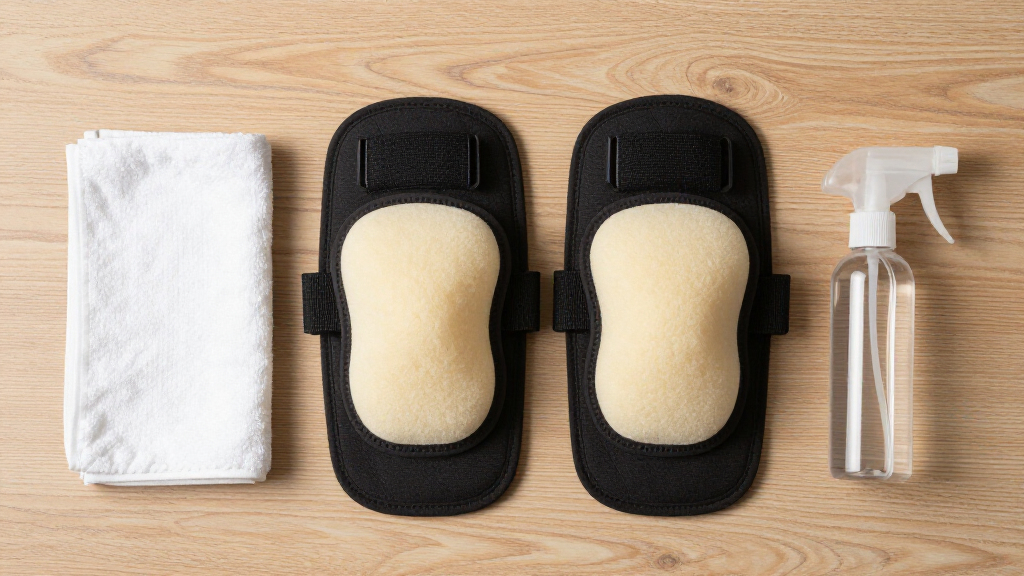
Dust, sweat and trapped moisture can turn protective gear into a home for odor, bacteria and mold. A gentle wash, complete air-dry and quick inspection keep knee pads hygienic, comfortable and ready to protect.
Reduction in bacterial growth may be possible with selected treated fabrics; performance varies by product and use.
Clean after intense, muddy or sweaty work; use a weekly routine for regular lighter use.
Gentle cleaning protects the materials that protect your knees.
Material determines method
Each component reacts differently to moisture, agitation and heat. Check the manufacturer’s care label first, then use the gentlest effective method.
Foam or gel
Watch for: trapped moisture, deformation and mold. Wash gently, avoid wringing and allow the core to dry completely.
Nylon or polyester
Watch for: damaged finishes and stripped antimicrobial coatings. Use mild detergent and a soft cloth or brush.
Elastic and Velcro
Watch for: fraying, stretched straps and clogged hooks. Remove detachable parts and clean fasteners carefully.
Six steps from dirty to ready
This sequence removes grime without exposing padding, fabric coatings or fasteners to unnecessary heat and agitation.
Detach
Remove straps and fasteners where possible.
Check
Read the label before choosing hand or machine wash.
Wash
Use lukewarm water and mild detergent.
Scrub
Work seams and corners with a soft brush.
Rinse
Remove all soap that could irritate skin.
Air dry
Dry fully in shade with free airflow.
Bleach, harsh chemicals, direct sunlight and high heat. They can weaken fibers, strip protective treatments and warp foam or gel.
Hand wash or machine wash?
Hand washing is the safest default. Machine washing is an option only when the manufacturer explicitly approves it.
| Decision factor | Hand washing | Machine washing |
|---|---|---|
| Material protection | ✓Gentle and controlled | ~Depends on cycle and construction |
| Straps and Velcro | ✓Lower snag and abrasion risk | ✗Can snag, fray or lose grip |
| Speed | ~More time and manual effort | ✓Fast for several approved pairs |
| Best setting | ✓Lukewarm water, mild soap | ~Cold water, gentle cycle |
| Best use case | ✓Delicate, older or mixed-material pads | ~Durable, label-approved pads only |
Match cleaning to exposure
There is no single schedule for every user. Sweat, mud and daily wear call for faster intervention than occasional, low-intensity DIY work.
Cleaning urgency
Relative urgency based on common use conditions.
Freshness protocol
Small habits prevent odor and moisture from becoming persistent problems.
Care connects directly to performance
Cleaning is not cosmetic maintenance. Each stage supports the next, from moisture control to dependable protection.
What materials are your knee pads made of—and why it matters
Knowing what your knee pads are made of shapes how you clean them. Foam or gel padding offers shock absorption but can trap sweat and dirt, creating a moist environment that encourages bacterial growth and mold if not dried properly. The outer shell—usually nylon, polyester, or rubberized fabric—resists wear but can be sensitive to harsh chemicals that may degrade their protective coatings. Straps and fasteners, often elastic or Velcro, require gentle handling because they are prone to fraying or losing grip if mishandled or washed aggressively.
Recognizing these material differences is crucial because each component reacts differently to cleaning methods. Foam padding, for example, absorbs moisture quickly, so improper drying can lead to mold or deterioration. Outer fabrics with antimicrobial coatings resist odors longer, but aggressive cleaning or chemicals can strip these layers, reducing their effectiveness. Understanding these tradeoffs helps you choose cleaning methods that prolong each component’s lifespan while maintaining their protective functions.
As an affiliate, we earn on qualifying purchases.
How often should you clean your knee pads? The simple rule
Cleaning frequency isn’t just about hygiene—it’s about maintaining the integrity and longevity of your gear. If you work in muddy, sweaty, or otherwise dirt-laden environments, bacteria and mold can develop rapidly, degrading the materials and causing unpleasant odors. Regular cleaning prevents these issues and ensures your knee pads continue to provide optimal protection. Conversely, infrequent cleaning can lead to buildup that compromises comfort and hygiene, increasing skin irritation risks.
For example, a construction worker exposed to daily dirt and sweat should consider cleaning after each shift to prevent bacteria and mold from taking hold, which can cause infections and foul odors. On the other hand, a DIYer using knee pads for occasional projects might opt for weekly cleaning as a practical routine. The key is to balance usage intensity with cleaning frequency to prevent material breakdown and maintain hygiene, which ultimately extends the functional life of your gear.
As an affiliate, we earn on qualifying purchases.
The best way to clean knee pads—step-by-step
- Remove straps and fasteners. Check manufacturer instructions for washing. Some Velcro might need hand cleaning to avoid damage or loss of grip.
- Hand wash in lukewarm water with mild detergent or antibacterial soap. This gentle approach helps preserve delicate fabrics and coatings. Avoid bleach, as it can weaken fibers and strip protective antimicrobial layers.
- Gently scrub foam padding and outer shell with a soft brush or cloth, paying attention to seams and corners where dirt and bacteria tend to hide. This ensures thorough cleaning without damaging sensitive materials.
- Rinse thoroughly to remove soap residue, which can cause irritation if left behind. Proper rinsing also prevents soap buildup that can degrade fabrics over time.
- Air dry in a well-ventilated area away from direct sunlight or heat sources. Sunlight can weaken fabrics and cause fading, while heat can warp foam or gel padding. Avoid tumble drying unless specified by the manufacturer, as high heat can damage components.
For example, after a muddy day, washing your knee pads this way prevents dirt buildup and mold, keeping them smelling fresh and functioning well for weeks. This careful process balances effectiveness with material preservation, ensuring your gear stays in top shape.
As an affiliate, we earn on qualifying purchases.
Comparison: Hand washing vs. machine washing your knee pads
| Method | Pros | Cons |
|---|---|---|
| Hand washing | Gentle, preserves materials, especially straps and Velcro, and allows precise cleaning of seams and delicate fabrics. It reduces the risk of damage from agitation or high temperatures. | More time-consuming and labor-intensive, requiring manual effort and patience, especially if cleaning multiple pairs. |
| Machine washing | Quick and convenient, especially for multiple pairs or frequent cleaning routines. Modern machines with gentle cycles can handle gear efficiently. | Risk of damage to fasteners, straps, or delicate fabrics if not carefully set. Overly aggressive cycles or harsh detergents can strip antimicrobial coatings and weaken materials, reducing lifespan. |
Choosing between these methods depends on your gear’s condition and material sensitivity. Hand washing is ideal for older or delicate knee pads to prevent damage, while machine washing can be suitable if the manufacturer approves, using a gentle cycle with cold water to minimize risks.
As an affiliate, we earn on qualifying purchases.
How to dry knee pads without damaging them
Air drying is the safest and most effective method. Lay your knee pads flat or hang them in a shaded, well-ventilated area. This prevents direct sunlight and heat from weakening fabrics or warping foam and gel padding, which can compromise protective integrity.
For example, hanging them from a clothesline or a dedicated drying rack in your garage or workshop allows air to circulate freely, speeding up drying while avoiding damage. This method preserves the materials’ structural integrity, ensuring your gear remains effective and comfortable for future use. Avoid using dryers or direct sunlight, as high heat can cause fibers to degrade and reduce the lifespan of your knee pads.
Tips to keep your knee pads smelling fresh and bacteria-free
- Wash your knee pads after heavy use, exposure to mud, or sweat to prevent bacteria and odor buildup. Regular cleaning is key to hygiene and durability.
- Use odor-neutralizing sprays, baking soda solutions, or natural antibacterial remedies like tea tree oil during drying or after washing. These help eliminate residual bacteria and prevent foul smells from developing over time.
- Ensure complete air drying before storing to prevent dampness that fosters mold and bacteria growth. Proper drying maintains both hygiene and material integrity.
- Store them in a dry, ventilated space—like a well-ventilated toolbox or hanging in your workshop—avoiding damp or enclosed areas that trap moisture and promote mold.
- Inspect your knee pads regularly for signs of mold, mildew, or damage. Replace worn or contaminated gear promptly to maintain hygiene and safety.
For instance, spritzing a mixture of water and a few drops of tea tree oil creates a natural antibacterial environment, helping to keep odors at bay and extending the fresh feeling of your gear. These practices ensure your knee pads remain both clean and safe for your skin.
How to extend your knee pads’ lifespan — practical tips
Proper cleaning, gentle handling, and smart storage are essential to prolonging the life of your knee pads. Avoid yanking on straps or over-tightening fasteners, which can cause premature wear and tear on fabrics and fasteners. Instead, handle them with care, and perform regular inspections to identify worn parts early. Many models have replaceable straps or padding, allowing you to repair rather than replace entire pads.
For example, a worn Velcro strap may seem minor, but it can cause the entire pad to slip or wear out faster if not replaced. Small repairs and cautious handling prevent unnecessary damage, saving you money and ensuring consistent performance over time.
What cleaning products to avoid—keep your gear safe
Stay away from bleach, harsh chemicals, or abrasive cleaners. These substances can degrade fabrics, damage antimicrobial coatings, and weaken fasteners, ultimately shortening the lifespan of your knee pads. Using inappropriate products may also compromise the protective features that keep your gear hygienic and effective.
For example, applying bleach might temporarily brighten your knee pads but can cause fibers to weaken or tear over time, reducing their shock absorption and antibacterial properties. Always opt for mild detergents or products specifically designed for sports or protective gear to ensure your knee pads remain in optimal condition.
Frequently Asked Questions
Can I put knee pads in the washing machine?
Yes, but only if the manufacturer states it’s safe. Use a gentle cycle with cold water, and avoid harsh detergents or bleach to prevent damage.How do I remove bad odors from knee pads?
Regular washing helps, but for stubborn smells, try baking soda solutions or odor-neutralizing sprays. Ensure complete air drying afterward to prevent mold.How often should I replace my knee pads?
Inspect them regularly. Replace if the padding is compressed or torn, straps are frayed, or fasteners no longer grip. Most last about 1-2 years with regular use.What’s the best way to store knee pads?
Keep them in a dry, ventilated space—like a toolbox with good airflow or hanging in your workshop. Avoid damp areas to prevent mold and odor.Are there eco-friendly knee pads? If so, how do I care for them?
Yes, some are made from recycled or sustainable materials. Treat them with gentle cleaning methods and avoid harsh chemicals to preserve eco-friendly fabrics.Conclusion
Keeping your knee pads clean isn’t just about hygiene; it’s about protecting your investment and ensuring safety during every kneel. Follow simple steps—gentle washing, proper drying, and smart storage—and they’ll serve you longer.
Next time you finish a tough job, take those extra five minutes. Your knees—and your wallet—will thank you for it. Remember: clean gear is good gear. Your knees deserve it.
Fall yard work Picks
leaf blowers
As an affiliate, we earn on qualifying purchases.