
TL;DR

Get business pricing on tools and workshop supplies
- Business-only prices and quantity discounts
- Tax-exempt purchasing
- Multiple users, one account, clear invoices
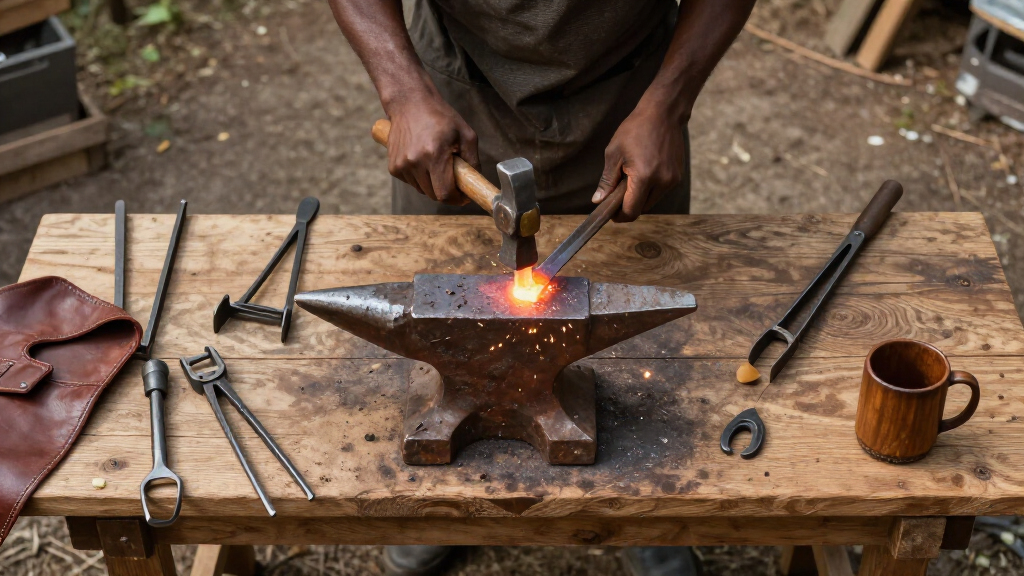
A rising number of African-American blacksmiths are actively forging a cultural revival centered on the Sankofa symbol. This movement highlights a renewed connection to African heritage and craftsmanship, with growing community and artistic recognition. The trend’s origins and full scope remain unconfirmed, but interest is increasing.
Growing numbers of African-American blacksmiths are actively forging a cultural lineage rooted in the Sankofa symbol, a traditional African motif representing the importance of looking back to move forward. This emerging movement underscores a renewed focus on reconnecting with African heritage through craftsmanship and art, with increasing community engagement and recognition.
Sources indicate that a notable resurgence of blacksmithing among African-American artisans is occurring, with many creating works inspired by the Sankofa symbol, which depicts a bird looking backward with an egg in its mouth. The symbol, originating from West African cultures, signifies the importance of remembering and honoring one’s roots. While specific groups or organizations leading this revival have not been officially identified, the trend has gained visibility through social media, exhibitions, and community workshops.
Experts and community leaders suggest that this movement is part of a broader cultural renaissance, aiming to reclaim African heritage and challenge historical narratives that marginalized African-American identities. The movement also emphasizes craftsmanship, with blacksmithing serving as both an artistic and symbolic act of cultural affirmation. Search interest related to African-American blacksmiths and Sankofa has spiked in recent months, though the precise origins of this increase remain unconfirmed.
Cultural Revival and Identity Reconnection
This movement matters because it reflects a broader effort among African-Americans to reconnect with ancestral roots and cultural symbols, fostering a sense of identity and pride. The revival of blacksmithing as a form of cultural expression also challenges stereotypes about Black artisans and highlights the importance of traditional crafts in contemporary identity politics. As interest grows, this trend could influence cultural education, community cohesion, and artistic innovation, making it a significant development in African-American cultural history.Products Worth Considering

DEWALT 20V MAX 5-Tool Cordless Power Tool Combo Kit with Battery and Charger (DCK540D1)

Greenworks 24V Brushless 10-Tool Combo Kit with Batteries and USB-C Charger

Greenworks 24V 5-Tool Combo Kit with 4.0Ah and 2.0Ah Batteries, USB-C Power Bank, and 65W Charger
As an affiliate, we earn on qualifying purchases.
Historical and Contemporary Blacksmithing in African-American Communities
Historically, Blacksmithing was a vital skill within African-American communities, especially during slavery and Reconstruction, serving both practical needs and cultural expression. Over time, industrialization and systemic barriers marginalized traditional crafts, leading to a decline in Blacksmithing’s prominence. Recently, however, there has been a renewed interest among Black artisans to preserve and reinterpret these skills, often intertwined with cultural symbols like Sankofa. The current trend appears to be part of a larger cultural renaissance, with social media and community-led initiatives playing key roles in its spread.
While detailed data on the number of Blacksmiths engaging with Sankofa remains unavailable, the pattern of rising online searches and event participation suggests a growing movement. The movement’s unconfirmed origins point to grassroots efforts, possibly linked to broader Black cultural activism and heritage preservation initiatives.
Origins and Scope of the Blacksmith Sankofa Movement
It is not yet clear how widespread the movement is or whether specific organizations are formally leading it. The precise motivations, geographic distribution, and future trajectory remain unconfirmed, with current data primarily based on social media trends and anecdotal reports.Monitoring Growth and Cultural Impact of the Movement
Future developments will likely include more public exhibitions, community workshops, and possibly academic studies examining the movement’s cultural significance. Researchers and cultural institutions may begin documenting the movement’s scope and impact, while Blacksmiths involved may seek to formalize networks or collaborations. The trend’s trajectory will depend on community engagement, media coverage, and institutional support.
Key Questions
What does Sankofa symbolize?
Sankofa is an African symbol depicting a bird looking backward with an egg in its mouth, representing the importance of learning from the past to build a better future.
Why are Blacksmiths involved in this movement?
Blacksmithing is a traditional craft historically significant in African and African-American communities. Many artisans see it as a means of cultural expression and a way to reconnect with ancestral roots through symbolic craftsmanship.
Is this movement officially organized?
Currently, there is no evidence of a centralized organization leading the movement. It appears to be grassroots and community-driven, with social media and local events fueling its growth.
How is interest in Sankofa and Blacksmithing measured?
Interest is primarily gauged through social media activity, search trends, and participation in community workshops and exhibitions. Precise data on the movement’s size and scope is still emerging.
What are the potential cultural impacts of this revival?
The movement could strengthen cultural identity, inspire new artistic expressions, and promote heritage education. Its long-term impact depends on community engagement and institutional recognition.
Source: rss