
TL;DR

Get business pricing on tools and workshop supplies
- Business-only prices and quantity discounts
- Tax-exempt purchasing
- Multiple users, one account, clear invoices
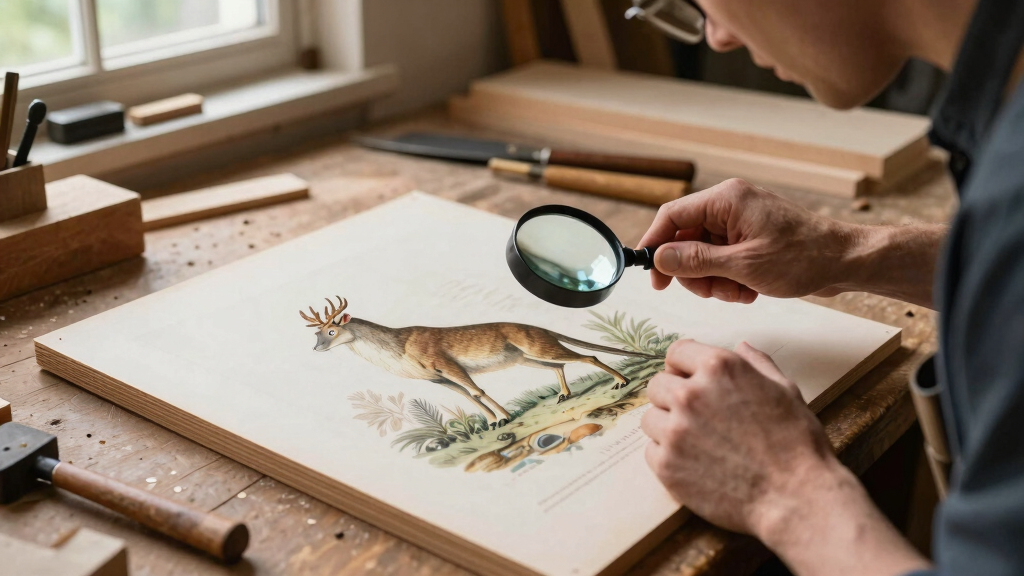
A collection of 1,300 wildlife illustrations from the 19th century has been restored. The project aims to preserve historic artwork and enhance access for researchers and the public.
More than 1,300 wildlife illustrations from the 19th century have been fully restored, according to the organization behind the project. This effort aims to preserve important historical artwork and make it accessible for research, education, and public appreciation. The restoration process involved advanced digital techniques to repair and digitize fragile, aged illustrations, which are now available online and in archives.
The collection includes detailed illustrations of animals, birds, insects, and marine life, created by prominent naturalists and artists of the 19th century. The project was led by the Natural History Museum in collaboration with digital preservation specialists, who used high-resolution imaging and restoration software to repair damage caused by age, fading, and physical deterioration. The restored images are now accessible through the museum’s online portal, allowing researchers and the public to explore the artwork in detail.According to Dr. Emily Carter, head of the museum’s digital archives, the project took approximately two years, involving meticulous digital editing and quality control to ensure historical accuracy. The illustrations are part of a larger effort to digitize and preserve the museum’s extensive historical collections, many of which are fragile and at risk of deterioration.While the physical originals remain stored in climate-controlled archives, the digital versions are expected to support educational and scientific activities, providing high-quality visuals for study and display. The project has also prompted interest in further restoring other historical collections, including botanical drawings and early scientific diagrams.Why Restoring 19th-Century Wildlife Art Matters
The restoration of these 1,300 wildlife illustrations is important for the preservation of scientific and artistic heritage. These images provide insight into 19th-century natural history, exploration, and artistic practices, and serve as resources for researchers, educators, and history enthusiasts.
Digitizing and restoring these works enhances accessibility, allowing a wider audience to engage with historical scientific documentation. It also helps protect fragile originals from further deterioration, aiding their preservation for future study.
This project demonstrates how digital tools can support the preservation of cultural artifacts and facilitate ongoing research, environmental studies, and art historical analysis.
19th century wildlife illustration prints
As an affiliate, we earn on qualifying purchases.
As an affiliate, we earn on qualifying purchases.
Historical Significance and Previous Preservation Efforts
The 19th century was a significant period for natural history, marked by extensive exploration and documentation of the natural world. Many renowned artists and scientists, such as John James Audubon and others, produced detailed illustrations that contributed to scientific understanding and public interest in wildlife.
Over time, physical copies of these illustrations have experienced deterioration due to aging, exposure, and handling. Past preservation efforts primarily involved physical conservation, which faced limitations due to the fragility of the originals and the capacity of institutions to maintain large collections.
The recent digital restoration project builds on a broader trend of using technology to preserve and share historical artifacts, making previously inaccessible or fragile materials available for study and public viewing worldwide.
“This project not only preserves these works but also improves access for research and educational purposes.”
— Dr. Emily Carter
restored vintage wildlife art book
As an affiliate, we earn on qualifying purchases.
As an affiliate, we earn on qualifying purchases.
Remaining Questions About the Restoration Process
It remains to be seen whether all original color accuracy has been maintained or if some details were approximated during digital editing. Additionally, the long-term stability of the digital files has yet to be evaluated, and plans for ongoing physical conservation are under consideration.natural history illustration poster
As an affiliate, we earn on qualifying purchases.
As an affiliate, we earn on qualifying purchases.
Future Plans for Digital Collections and Physical Preservation
The museum intends to continue digitizing and restoring other parts of its collection, including botanical illustrations and early scientific diagrams. Discussions are ongoing regarding the development of interactive digital exhibits to increase public engagement. Physical conservation efforts for original artworks will likely continue, with some originals being stabilized or displayed in controlled environments to prevent further deterioration.
Further initiatives may include integrating digital images into educational programs and virtual museum experiences to broaden their reach and utility.
As an affiliate, we earn on qualifying purchases.
Key Questions
Are the original illustrations also being preserved?
Yes, the original physical copies are stored in climate-controlled archives. The project mainly focused on digital restoration to prevent further deterioration and improve access.
How can the public access these restored illustrations?
The digital images are available through the Natural History Museum’s online portal, accessible to researchers, students, and the general public worldwide.
Will the restoration affect the authenticity of the artworks?
The restoration aimed to repair damage while maintaining historical accuracy. Experts used high-resolution imaging and careful editing to preserve original details as much as possible.
Are there plans to restore other types of historical scientific illustrations?
Yes, the museum is considering expanding digital restoration efforts to include botanical drawings, early scientific diagrams, and other fragile collections.
Source: hn
Halloween Picks
halloween
As an affiliate, we earn on qualifying purchases.