
TL;DR

Get business pricing on tools and workshop supplies
- Business-only prices and quantity discounts
- Tax-exempt purchasing
- Multiple users, one account, clear invoices
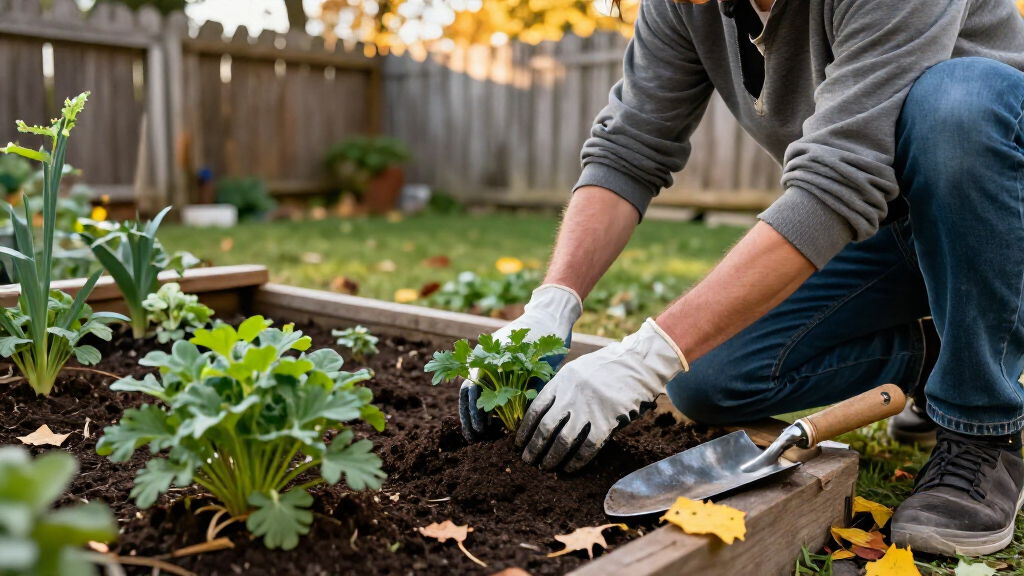
A Veranda report recommends planting a range of bulbs, vegetables, flowers and fruit plants in October, with timing guided by local frost dates and winter conditions. The article names 12 plant groups in the supplied material; regional suitability, harvest timing and results vary.
Veranda’s October planting guide recommends a mix of bulbs, vegetables, flowers and fruit plants that may establish before winter, depending on local climate. The advice matters to gardeners planning fall beds, but the supplied report names 12 plant groups, not the 16 promised in its headline, and several recommendations are limited to milder regions.
The list includes daffodils, tulips and crocuses, along with anemones and delphiniums. Veranda advises planting daffodil bulbs in early or mid-October, before the ground freezes, and says crocus corms should go into well-draining soil six to eight weeks before the first hard frost. Tulips, the article says, can be planted when average nighttime temperatures are around 50 degrees. For delphiniums, it recommends sowing seeds four to six weeks before the first frost in milder climates.
For edible crops, the guide names radishes, garlic, leafy greens, peas and shallots. It says radishes can mature in about three to four weeks and need evenly moist soil. Spinach, kale and lettuces are suggested six to eight weeks before the first frost. The report recommends fall garlic planting to allow roots to develop ahead of winter, while noting that hardneck garlic suits colder climates and softneck varieties are intended for USDA zones 8 through 12. October peas and shallots are presented as options for warmer or milder areas.
The remaining recommendations are fruit trees and blackberries. Veranda says fruit trees can be planted after temperatures fall into the low 80s, in a sunny spot with good drainage. It suggests late-fall blackberry planting in areas with milder winters, using bare-root plants and mulch. These are general recommendations: the source does not give a location-specific planting calendar or guarantee that a tree will bear fruit the following year.
Fall Planting Depends on Local Conditions
October can give some plants time to develop roots before spring, while cool weather can suit certain vegetables and bulbs. The practical benefit depends on first-frost timing, soil drainage and winter severity, so a calendar date alone cannot determine whether a recommendation fits a particular garden.
The guide also mixes plants with different needs. Bulbs can be harmed by excess water, and the report warns that crocus corms need well-draining soil. Garlic varieties are matched to climate, while peas and shallots are recommended for warmer or milder regions. Checking local growing conditions before planting can help readers avoid treating the list as a universal schedule.
As an affiliate, we earn on qualifying purchases.
A Seasonal Guide With a Shorter List
The supplied Veranda report is framed around 16 resilient plants, but the source text provided here contains 12 groups: delphiniums, radishes, daffodils, garlic, leafy greens, crocuses, fruit trees, blackberries, anemones, peas, tulips and shallots. No additional four entries are included in the material, so they cannot be identified from this source.
The recommendations use several different timing cues rather than one October rule. Some are tied to a number of weeks before frost, others to soil or nighttime temperatures, and some to broad climate categories. The article points readers to local frost dates for leafy greens, underscoring that planting windows differ by region.
As an affiliate, we earn on qualifying purchases.
Regional Results Are Not Specified
The source does not identify the four plants implied by its headline but absent from the supplied text. It also does not provide a publication date, location-specific planting zones for most entries, or detailed care instructions for every plant. Exact planting dates and likely results remain dependent on local weather and garden conditions. The claim that fruit trees may yield as soon as the next year is not tied to a species, cultivar or growing region in the material.
As an affiliate, we earn on qualifying purchases.
Check Frost Dates Before Planting
Gardeners considering the recommendations should compare their local first-frost date and winter conditions with each plant’s suggested window. They can then select varieties suited to their climate and follow planting and watering instructions for the specific cultivar. The source offers no later update or follow-up milestone.
As an affiliate, we earn on qualifying purchases.
Key Questions
Which plants are named in the supplied report?
The supplied text names 12 groups: delphiniums, radishes, daffodils, garlic, leafy greens, crocuses, fruit trees, blackberries, anemones, peas, tulips and shallots.
Does every recommendation apply in every region?
No. The article limits some suggestions to milder or warmer areas, and several planting windows depend on local frost dates or temperatures. Check regional growing guidance before planting.
When does the guide say to plant daffodils?
It recommends planting daffodil bulbs in early to mid-October, before the ground freezes, so their roots have time to establish.
How many plants does the supplied source actually describe?
The headline says 16, but the supplied report text describes 12 plant groups. It does not identify four additional plants.
Source: rss
Halloween Picks
halloween
As an affiliate, we earn on qualifying purchases.