
TL;DR

Get business pricing on tools and workshop supplies
- Business-only prices and quantity discounts
- Tax-exempt purchasing
- Multiple users, one account, clear invoices
A Family Handyman winterization checklist identifies ten areas homeowners should insulate before cold weather, citing contractors on attic sealing, wall insulation, pipe protection and duct repair. Experts say air sealing and insulation together reduce heat loss, protect plumbing from freezing and ease strain on HVAC systems.
A pre-winter checklist published by Family Handyman identifies ten areas of the home — from attic spaces to electrical outlets — that contractors say should be insulated before cold weather sets in, warning that air leaks and poor insulation drive up heating bills and put pipes at risk of freezing.
The checklist draws on advice from several contractors, including Andre Kazimierski of HomeHero Roofing, Bob Cardwell of Cardwell HVAC and Cody Purtle of Silver Ridge Roofing. Their common thread: sealing air gaps and adding insulation are separate jobs, and both are needed. “Sealing gaps goes a very long way with improving overall insulation,” Kazimierski said, but he added that homeowners must also reduce heat transfer through wood, metal and other building materials.
The ten priority areas are: attic and roof spaces; exterior walls; windows and doors; pipes and plumbing; the basement and crawl space; garage walls and ceilings; and HVAC ductwork, along with smaller air leaks such as electrical outlets. For attics, Kazimierski recommends a roofer inspection to seal age-related gaps, rigid foam or spray insulation under the roof deck, and fiberglass batt or blown-in insulation on the attic floor. For finished walls, Cardwell recommends blown-in insulation, with spray foam for gaps.
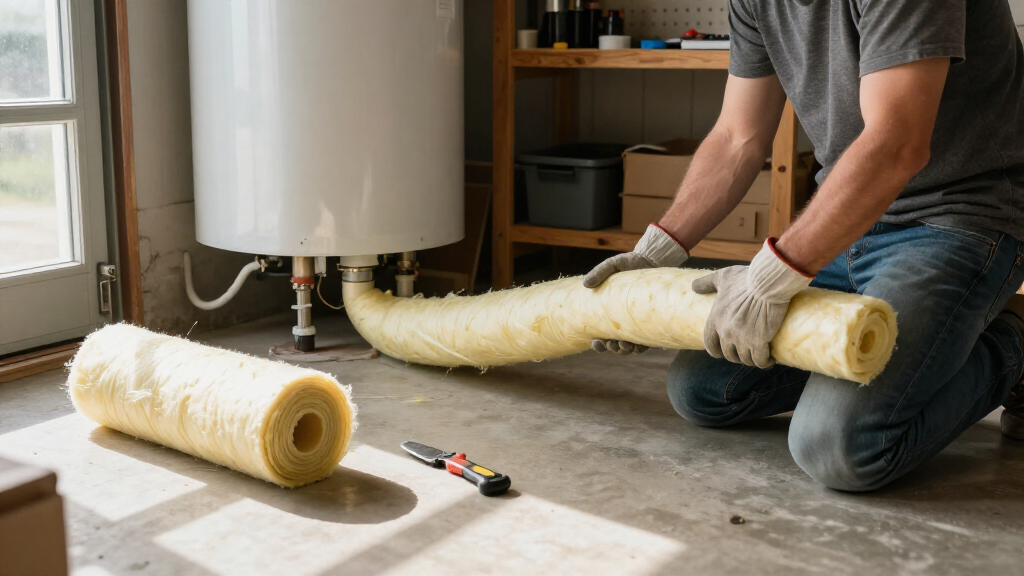
For plumbing, the experts advise insulating pipes near exterior walls and unheated spaces — attics, basements and crawl spaces — using foam pipe sleeves, or electric heat cables where temperatures regularly drop below 32 degrees Fahrenheit. Ductwork leaks, most common on exposed ducts in attics and crawl spaces, should be sealed with mastic and UL-listed foil tape; Cardwell cautioned that “ordinary duct tape dries out and doesn’t work well on HVAC ducts.”
Why Winter Insulation Pays Off
The report’s practical stakes are financial and structural. Family Handyman notes that insulation does more than keep a house warm: it protects water systems from freezing and prevents HVAC equipment from overworking. Winter energy bills commonly rise, and the report frames proper insulation as a way to avoid an avoidable spike at a time when prices are rising broadly.
The contractors’ advice also carries cost implications for hiring decisions. Kazimierski recommends bringing in a licensed roofer for attic and roof-deck inspections, particularly on older roofs, and some tasks — such as blown-in wall insulation or duct sealing in tight spaces — may be beyond a typical DIY scope. Readers comparing DIY foam gaskets against professional spray-foam work will need to weigh their own skills and local building requirements.
The Checklist’s Contractor-by-Contractor Basis
The checklist is organized around the ten insulation targets, each with a recommended material and method. For windows and doors, Cardwell recommends replacing shrunken rubber seals and worn weatherstripping, and installing foam sweeps under exterior doors. For basements, he points to the rim joist — which runs around the house’s entire perimeter — as a common entry path for cold air, best sealed with closed-cell foam rather than open-cell in damp conditions.
Garages need not be fully insulated, according to the report, but any wall shared with the house does, using moisture-resistant options such as closed-cell spray foam or rigid foam board. Small leaks around outlets and pipe penetrations can be addressed with foam gaskets, caulk or spray foam.
“Sealing gaps goes a very long way with improving overall insulation.”
— Andre Kazimierski, HomeHero Roofing
Limits of the Contractor Advice
The recommendations are drawn from interviews with three contractors and have not been tested against independent energy-performance data in the report. The article does not provide cost estimates, projected energy savings, or guidance on local building codes and permits, which vary by jurisdiction and can apply to insulation and duct work.
The report also cuts off in its FAQ section, so its full answer on timing appears incomplete. Cardwell indicates spring is the best season to insulate an attic, which slightly complicates the fall-focused framing; homeowners with major attic projects may need to weigh immediate patching against a spring overhaul.
Acting Before the First Freeze
Homeowners following the checklist would typically start with an attic and roof inspection — hiring a licensed roofer where roof work is involved — then move to sealing windows, doors, outlets and rim joists before deeper projects such as blown-in wall insulation or duct sealing. Pipe protection with foam sleeves or heat cables should be finished before the first sustained freeze.
Readers should verify permit requirements with local building authorities before structural or HVAC work, and confirm that any contractor hired is licensed and insured for the specific job.
Key Questions
Where should insulation work start before winter?
According to roofer Cody Purtle, the attic and roof should come first because warm air rises and inadequate attic insulation lets significant heat escape through the roof.
Is fall actually the best time to insulate an attic?
Cardwell says spring is the best time to insulate an attic, though the report still urges fall checks and gap-sealing before winter arrives.
Which pipes need insulation?
The report advises insulating pipes near exterior walls and those running through unheated spaces like attics, basements and crawl spaces. Foam sleeves work in somewhat protected areas; electric heat cables are recommended where temperatures regularly fall below 32 degrees Fahrenheit.
Can ordinary duct tape seal HVAC ducts?
No, according to Cardwell. Ordinary duct tape dries out; he recommends mastic and UL-listed foil tape instead.
Does a garage need full insulation?
Generally not, per the report — but any wall shared with the house should be insulated, ideally with moisture-resistant closed-cell spray foam or rigid foam board.
Source: rss
Fall Picks
fall essentials
As an affiliate, we earn on qualifying purchases.