TL;DR

Get business pricing on tools and workshop supplies
- Business-only prices and quantity discounts
- Tax-exempt purchasing
- Multiple users, one account, clear invoices
Hunker recommends painting French-door muntins without masking the glass, then scraping off paint that lands on the panes once it has dried. The report says to use a sharp razor scraper at a shallow angle and remove the paint within about 24 hours; the method requires care to avoid scratching or cracking glass.
Hunker has outlined a razor-scraper method for painting French doors without first applying painter’s tape to every glass pane: paint the muntins, let stray paint dry, then scrape it off the glass. The home-improvement report says the approach can save masking time, but cautions that a sharp blade and light pressure are needed to reduce the risk of damaging the glass.
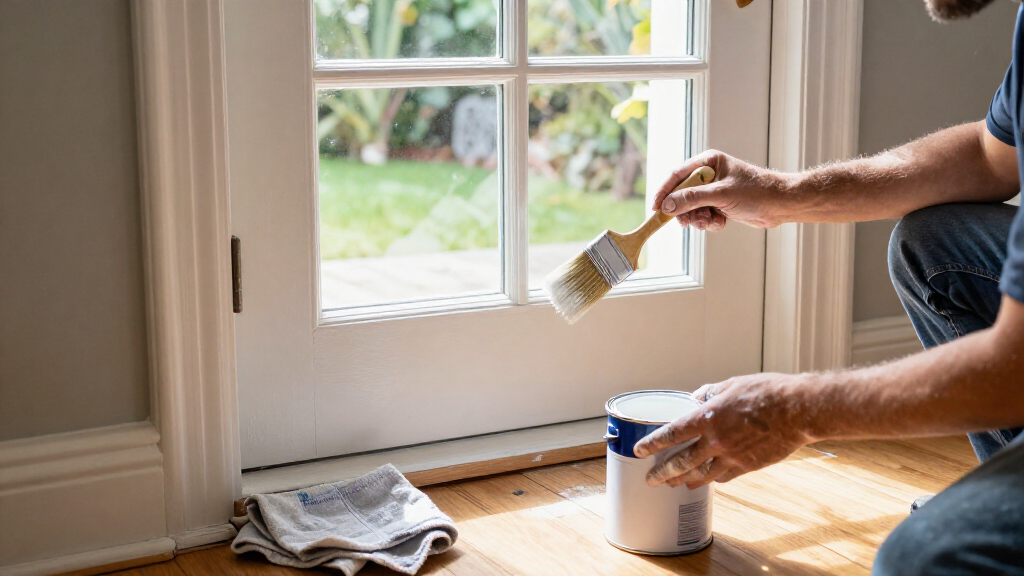
French doors have narrow bars, known as muntins, dividing their glass into panes. Painting those bars neatly can be difficult: brushing close to the glass may leave paint on it, while taping around each pane takes time and may not stop paint from seeping under the tape. Hunker presents scraping as an alternative to trying to cut in perfectly with a brush or masking every edge.
The report advises waiting until paint is dry before scraping, but not leaving it for too long. It says paint is generally easier to remove from smooth glass while relatively fresh and recommends doing the cleanup within about 24 hours. That timing is guidance in the report, not a guarantee for every paint, primer, or set of conditions.
To remove paint, Hunker says to hold a razor scraper at a 45-degree angle or shallower and gently push the blade under the paint. Avoid pressing down into the glass. Once the paint lifts, it can be pulled away by hand or removed with the blade; work carefully where the pane meets the muntin. The report recommends finishing by cleaning any remaining haze from the glass.
Less Masking, Careful Cleanup
The suggestion addresses a common time-consuming part of painting divided-light doors: protecting many small panes before work begins. Skipping tape may make preparation quicker, while scraping provides a way to remove stray paint after it dries. Hunker also describes the method as potentially less costly than some masking products, though it does not provide a price comparison or test results.
The trade-off is that the cleanup depends on technique. A blade that is dull, held at too steep an angle, or pressed hard against the pane can make scraping harder and may scratch or crack glass. The report’s advice is a practical DIY tip, not a guarantee of a faster or safer result in every situation. Readers should follow the paint and scraper manufacturers’ instructions and use care when handling blades.
Products Worth Considering

Greenworks 24V Brushless 10-Tool Combo Kit with Batteries and USB-C Charger

Greenworks 24V 5-Tool Combo Kit with 4.0Ah and 2.0Ah Batteries, USB-C Power Bank, and 65W Charger

WORX 20V Cordless Oscillating Multi-Tool WX698L
As an affiliate, we earn on qualifying purchases.
Why French-Door Panes Need Prep
Painting the frame and muntins can freshen doors that divide interior rooms or open to the outdoors, but the many glass edges create repeated opportunities for paint to cross onto a pane. Painter’s tape is a familiar way to cover those edges, yet applying it individually to a grid of panes can take considerable preparation. Hunker notes that paint can also seep beneath tape, so masking may not prevent every cleanup task.
The report says most types of house paint and primer do not bond strongly to smooth glass, making dried paint comparatively easy to scrape away. It also mentions liquid masking products as another option, while warning that one such product could damage a wood frame. The article does not identify a particular product as suitable for every door or finish, and its recommendation is to use a scraper directly rather than apply liquid masking first.
““A quicker and more effective option” is to use a razor blade to scrape paint from the windows once it has dried.”
— Hunker
Limits of the Scraping Advice
Hunker does not report controlled testing that compares scraping with painter’s tape, nor does it quantify time or cost savings. The article also does not specify how the method performs with every type of paint, primer, glass coating, or door finish. Its estimate that cleanup is easiest within about 24 hours is general guidance; drying and adhesion may vary by product and conditions.
The report does not establish that scraping is risk-free. It warns that a dull blade can make the work more difficult and raise the chance of injury or glass damage. Readers should check that a scraper is appropriate for their glass and use a sharp blade carefully, keeping hands clear of its path. Whether the technique is suitable for a particular door may depend on its condition and finish.
Before Starting the Door
The next step for anyone using the method is to consult the paint and tool instructions, protect the surrounding area, and test the scraper gently on a small, unobtrusive section of glass. Paint the muntins, then check the panes as the paint dries so that cleanup can happen while the paint remains relatively easy to lift. Use a sharp blade, keep it at a shallow angle, and stop if the glass appears to scratch or the blade catches.
After scraping, clean the panes to remove residue and inspect the edges for remaining paint. Hunker offers no follow-up test or product comparison, so the practical result will depend on the door, materials, and care taken during the work.
Key Questions
Can I paint French doors without painter’s tape?
Hunker describes painting the muntins and scraping unwanted paint off the glass after it dries as an alternative to taping each pane. The method still requires careful cleanup.
When should I scrape paint off the glass?
The report says to wait until the paint is dry, then remove it while it is still relatively fresh—usually within about 24 hours. Actual drying time can vary by paint and conditions.
How should I hold the razor scraper?
Hunker recommends a 45-degree angle or shallower, using gentle pressure to lift paint. Do not press the blade down into the glass.
Can a razor scraper damage French-door glass?
Yes. The report warns that scraping carelessly can scratch or crack glass, and that a dull blade can make the task more difficult. Use a sharp blade cautiously and stop if it catches or marks the pane.
Source: hunker.com