TL;DR

Get business pricing on tools and workshop supplies
- Business-only prices and quantity discounts
- Tax-exempt purchasing
- Multiple users, one account, clear invoices
Builders reported shortages in most of the trades covered by the September 2026 NAHB/Wells Fargo Housing Market Index survey. The shortage rate across nine consistently tracked trades reached 47%, while the median labor-cost increase for the same home over the prior 12 months was 4.2%.
Homebuilding labor shortages increased across most trades in the September 2026 NAHB/Wells Fargo Housing Market Index survey, while builders reported a 4.2% median rise in labor costs for the same home over the previous 12 months. The findings point to continued staffing and cost pressures for builders, even as housing starts remain below levels recorded during the mid-2000s building boom.
The survey asked builders about labor availability across 16 specific trades, counting both serious shortages and some shortages. Reported shortages ranged from 33% for excavators and building maintenance managers to 58% for workers performing finished carpentry. Compared with the last survey in April 2025, shortages were generally higher.
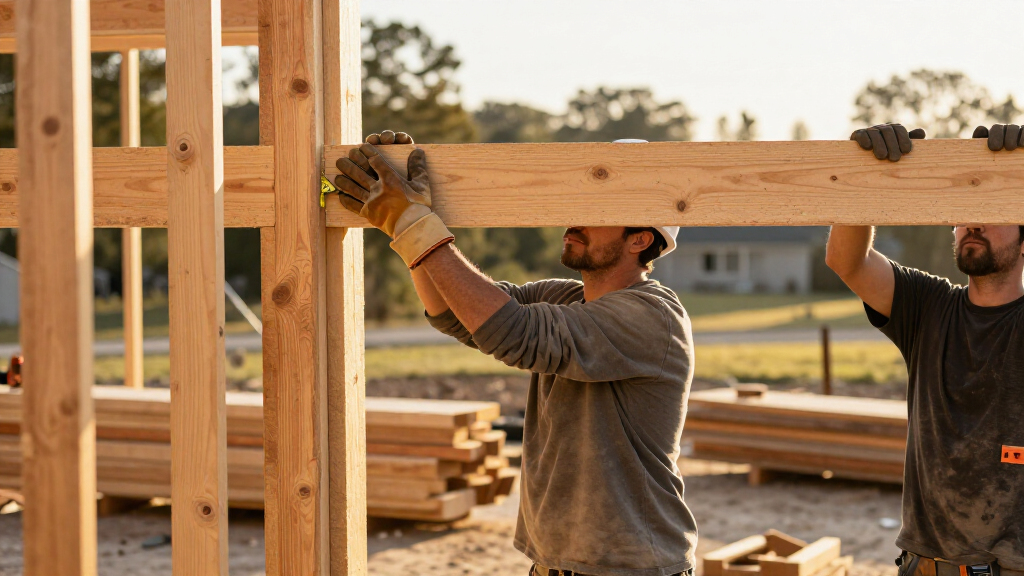
Shortages were unchanged for plumbers at 45% and HVAC workers at 43%. They increased at least slightly in each of the other 14 trades. The largest increases were for framing crews, up 9 percentage points to 57%; landscaping workers, up 7 points to 39%; and roofers, up 6 points to 36%.
Across the nine trades tracked consistently since 1996, the shortage measure reached 47%, compared with 42% in April 2025. Builders also reported a median 4.2% increase in labor costs for the same home over the preceding year. The source report does not provide a separate breakdown of that cost increase by trade or region.
Labor Pressure Meets Lower Starts
Shortages can make it harder for builders to staff projects on schedule, particularly when several trades are affected at once. The survey does not quantify delays or project cancellations, but its results show that labor availability is a concern across much of the construction workforce. Rising labor costs add another expense for builders, though the report does not specify how much of the increase is passed on to homebuyers.
The comparison with housing production puts the survey result in perspective. NAHB’s nine-trade shortage measure of 47% exceeded levels recorded during the 2004–2006 boom, when annual housing starts were consistently above 1.8 million. In August 2026, starts were at a seasonally adjusted annual rate below 1.3 million. That contrast shows that the reported labor pressure is not limited to a period of exceptionally high building activity.
As an affiliate, we earn on qualifying purchases.
Shortages Rebound After 2022
The September survey marks a reversal in the recent direction of reported labor shortages. According to the source report, shortages of residential construction labor declined consistently from their peak during the COVID-19 pandemic through 2025. The latest results show the measure rising again compared with April 2025.
The nine-trade comparison offers a longer historical reference because NAHB has tracked those trades consistently since 1996. The broader survey covers 16 trades, but its individual shortage rates should not be treated as interchangeable with the nine-trade average. The figures represent builders’ reports of shortages, not a count of unfilled positions or an estimate of workers needed.
“The median increase in the cost of labor for the same home over the previous 12 months was 4.2%.”
— Hardware Retailing report on the September 2026 HMI survey
As an affiliate, we earn on qualifying purchases.
Survey Does Not Measure Delays
The results measure what builders reported, not the number of vacant jobs, the duration of shortages or their direct effect on construction schedules. The report does not explain whether the higher labor-cost figure reflects wages, subcontractor pricing or other labor expenses, and it gives no regional breakdown. It is also unclear whether the increase in reported shortages will continue in the next survey or how builders may adjust hiring and project plans.
As an affiliate, we earn on qualifying purchases.
Next Survey Will Test Direction
The next NAHB/Wells Fargo HMI survey will show whether the September increase marks a sustained rebound or a short-term change in builders’ reports. Until then, the September results provide a snapshot of labor availability and costs, rather than a forecast of future construction output or home prices. Builders, suppliers and buyers will be watching for further readings on trade shortages, labor expenses and housing starts.
As an affiliate, we earn on qualifying purchases.
Key Questions
Which homebuilding trade had the highest reported shortage?
Finished carpentry workers had the highest reported shortage in the 16-trade survey, at 58% of builders reporting a serious or some shortage.
Which shortages increased the most?
Framing crew shortages rose 9 percentage points to 57%. Landscaping workers increased 7 points to 39%, and roofers increased 6 points to 36%, compared with April 2025.
How much did labor costs rise?
Builders reported a 4.2% median increase in labor costs for the same home over the 12 months before the September 2026 survey.
Does the survey show that home prices will rise?
No. The survey reports labor shortages and labor-cost changes, but does not measure how much those costs affect home prices or whether builders pass them on to buyers.
Source: rss
Fall yard work Picks
leaf blowers
As an affiliate, we earn on qualifying purchases.