TL;DR

Get business pricing on tools and workshop supplies
- Business-only prices and quantity discounts
- Tax-exempt purchasing
- Multiple users, one account, clear invoices
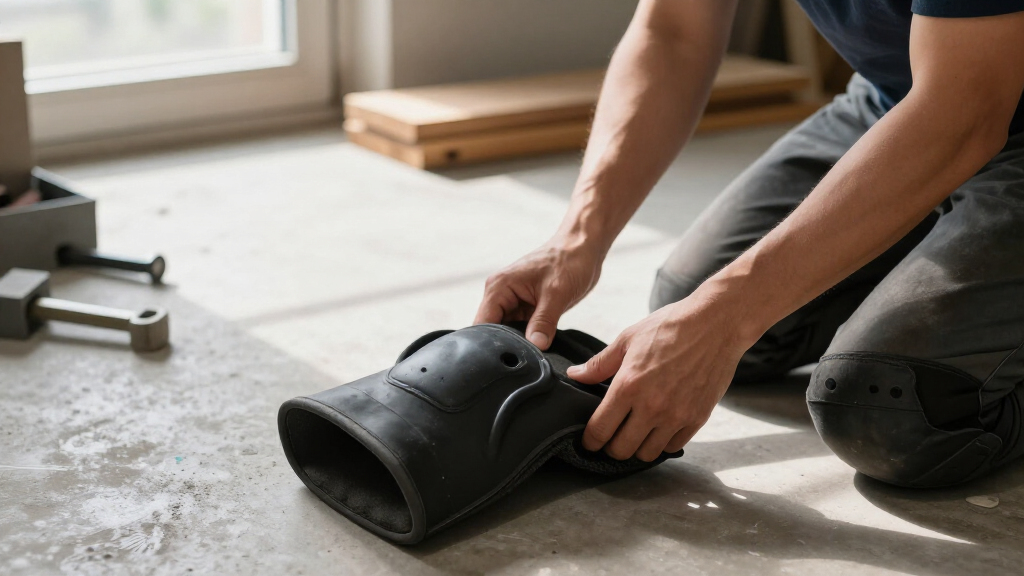
Knee pads for concrete work protect your knees from hard surfaces and reduce injury risk. Choosing the right type, fit, and features is key to comfort and safety during long hours kneeling.
Fit is everything — measure your knees and try before you buy.
Gel and hard-cap knee pads offer the best impact protection for concrete work.
Recent tech innovations improve comfort, durability, and moisture management.
Regular inspection and proper storage extend your knee pads’ lifespan.
Choose knee pads that match your kneeling duration and work intensity.
Knee Pads for Concrete Work Explained
Kneeling on concrete concentrates punishing pressure on a small joint area. The right knee pads absorb impact, resist abrasion, stay secure and help prevent bruising, bursitis, tendinitis and chronic pain.
Disperses pressure and reduces joint strain during extended kneeling.
Shields against abrasive concrete, sharp debris and accidental impacts.
Snug enough to stay centered—never tight enough to restrict circulation.
What makes a concrete-ready knee pad?
The best design is a system: the outer shell handles the surface, the inner pad manages force and the fastening system keeps protection aligned with your knee.
Gel or dense foam
Absorbs contact energy and spreads pressure across a wider area instead of concentrating it at the kneecap.
Resistant shell
Protects against rough aggregate, hard edges and debris while slowing abrasion through repeated use.
Non-slip straps
Keep the pad centered through kneeling, standing and crawling so protection is present when contact occurs.
Breathable lining
Moves moisture away from the skin, reducing sweat buildup, irritation and chafing during hot shifts.
Contoured profile
Follows the knee’s shape to reduce pressure points and preserve a natural range of motion.
Snug, never tight
The pad should not rotate or slide, yet straps must not pinch, numb the leg or restrict blood flow.
| Type | Best use | Cushioning | Durability | Primary tradeoff |
|---|---|---|---|---|
| Gel pads | Extended kneeling | ✓ Superior | ✓ Strong | Heavier and usually more expensive |
| Foam pads | Short, light tasks | ~ Moderate | ~ Compresses over time | Lower impact protection |
| Hard-cap pads | Rough concrete | ~ Depends on liner | ✓ Excellent | Stiffer and less breathable |
| Sleeve-style | Frequent movement | ~ Moderate | ~ Moderate | May slip without a precise fit |
| Strap-on | Heavy, prolonged use | ✓ Configurable | ✓ Strong | Bulkier and slower to put on |
Quick verdict · Gel for long duration · Hard cap for maximum surface defense · Hybrid designs combine both
Dial in the fit before the shift
Fit is a safety feature. A moving pad exposes the knee; an overtight pad can cause numbness, pain and fatigue.
Measure
Record knee circumference in inches or centimeters using the maker’s sizing position.
Try styles
Compare shell shapes, sleeves and straps against your leg shape and work clothing.
Adjust
Tighten evenly until the cup remains centered without pinching behind the knee.
Move
Kneel, stand and walk on a similar surface. Watch for shifting, rotation or pressure points.
Recheck
Wear for several minutes and confirm there is no numbness, sweat trapping or chafing.
Modern pads work harder at lower weight
Recent designs improve force dispersion, moisture control and mobility—making protection easier to wear consistently throughout a full shift.
Impact polymers
Lighter shells maintain protection while reducing carried weight and fatigue.
Gel infusion
Longer-lasting cushioning conforms to the knee and disperses pressure.
Ergonomic contours
Shaped profiles reduce hot spots and follow natural joint movement.
Moisture control
Wicking fabrics move sweat away to limit chafing and irritation.
Recycled inputs
New options pair job-site durability with lower-impact materials.
months is a common replacement window under regular use—replace sooner if padding compresses, shells crack or straps fail.
Care routine · Wipe off concrete dust · Inspect straps and padding monthly · Store cool and dry · Avoid direct sunlight and extreme heat
Match protection to the work
Start with kneeling duration and surface severity, then choose the lightest design that delivers stable, comfortable protection.
Foam or sleeve
Prioritize low weight, easy on/off and flexibility—but inspect for compression and slipping.
Gel cushioning
Prioritize pressure distribution, breathable lining and straps that remain comfortable for hours.
Hard-cap hybrid
Combine an impact-resistant exterior with a cushioned interior and a secure adjustable fit.
What Makes the Best Knee Pads for Concrete Work? Your Must-Know Features
When choosing knee pads for concrete, comfort and durability top the list. The best models cushion impacts, stay in place, and breathe during long shifts. Imagine kneeling on a rough surface, feeling the shock of each contact — good knee pads absorb that energy, protecting your joints and skin.
Look for features like gel-infused padding for extra cushioning, non-slip straps to keep them secure, and impact-resistant shells that hold up against rough concrete. The right fit is key; too loose, and they slip; too tight, and they cut off circulation. For instance, a concrete finisher wearing well-fitted gel knee pads reports less fatigue after a full day kneeling in a 90-degree sun.
Understanding why these features matter can make the difference between a knee injury and a comfortable workday. Impact-resistant shells prevent fractures or bruises when you accidentally hit a hard edge, while breathable materials reduce sweat buildup, preventing skin irritation. Proper fit ensures the pads stay in place, which is crucial because slipping can cause sudden loss of protection or even falls. Ultimately, the best knee pads are those that balance shock absorption, stability, and comfort, reducing cumulative stress on your knees over time.
As an affiliate, we earn on qualifying purchases.
Types of Knee Pads: Which One Keeps You Comfortable Longer?
| Type | Best Use | Pros | Cons |
|---|---|---|---|
| Gel Knee Pads | Extended kneeling, hard surfaces | Superior cushioning, absorbs impact, reduces joint strain over long periods | Slightly heavier, costs more, may require more maintenance |
| Foam Knee Pads | Light tasks, short periods | Lightweight, affordable, easy to wear | Less durable, less impact protection, may compress over time |
| Hard Cap Knee Pads | Heavy-duty work, rough concrete | Extra impact resistance, longevity, protection from sharp objects | Can be stiff, less breathable, may cause chafing if not fitted properly |
| Sleeve-style | Quick on/off, flexibility | Easy to wear, adjustable fit, good for frequent movement | Might slip if not snug, less impact absorption |
| Strap-on | Secure fit, heavy use | Customizable fit, stable, suitable for prolonged use | Slightly more cumbersome to put on, bulkier |
Choosing the right type depends on your work style and comfort preferences. For concrete, gel pads or hard caps are popular because they handle prolonged impact and abrasive surfaces better. But it’s important to consider tradeoffs: gel pads offer superior impact absorption but tend to be heavier, which might cause fatigue over a long shift. Hard caps provide excellent protection but can be less comfortable if they don’t fit properly or restrict movement. Understanding these tradeoffs helps you select knee pads that align with your specific needs, balancing protection, comfort, and mobility for safer, more efficient work.
As an affiliate, we earn on qualifying purchases.
How to Pick the Perfect Fit — Step-by-Step
- Measure your knee circumference in inches or centimeters.
- Try on different styles to see which feels snug without cutting off circulation.
- Adjust straps to ensure they stay in place when kneeling and standing.
- Test movement: kneel on a similar surface to see if they shift or pinch.
- Check breathability and comfort after a few minutes of wear.
For example, a flooring contractor found that adjustable strap knee pads with a contoured shell reduced discomfort during 8-hour shifts. Proper fit isn’t just about comfort — it’s about safety. Ill-fitting knee pads can slide down, causing you to adjust constantly or even lose protection at critical moments. Conversely, overly tight pads can restrict blood flow, leading to numbness or pain. The key is finding a balance: snug enough to stay put but comfortable enough to wear all day. Taking the time to measure and test different options ensures you get a fit that maximizes both safety and comfort, ultimately reducing fatigue and risk of injury during long workdays.
hard cap knee pads for construction site
As an affiliate, we earn on qualifying purchases.
As an affiliate, we earn on qualifying purchases.
The Latest in Knee Pad Tech You’ll Wish You Knew About Sooner
Recent innovations make knee pads more comfortable and tougher than ever. Lightweight, impact-absorbing polymers replaced heavy plastics, reducing fatigue and strain during long shifts. Gel padding now offers a softer, longer-lasting cushion that conforms better to your knees, dispersing pressure more evenly. Ergonomic designs contour to your knees, reducing pressure points that can cause discomfort or skin irritation.
Some models include moisture-wicking fabrics that keep sweat away, preventing chafing and skin issues during hot days. Eco-friendly options made with recycled materials are now available, aligning durability with sustainability. These advances mean you can work longer without discomfort, with less concern about wear and tear on your gear. For concrete workers, adopting these new technologies translates into better protection, increased productivity, and a more comfortable experience on-site. Staying informed about these innovations allows you to choose knee pads that not only meet your current needs but also offer future-proof performance, saving you money and effort in the long run.
knee protection for long kneeling jobs
As an affiliate, we earn on qualifying purchases.
As an affiliate, we earn on qualifying purchases.
Simple Tips to Make Your Knee Pads Last Longer
- Clean after each use with a damp cloth to remove dust and debris.
- Inspect straps and padding monthly for signs of wear or cracking.
- Store them in a dry, cool place — avoid sunlight and extreme heat.
- Replace them every 6 to 12 months, or sooner if padding becomes compressed.
- Use knee pads only for their intended purpose to avoid unnecessary damage.
For example, a carpenter who follows these tips reports their knee pads lasted nearly a year, saving money and avoiding unexpected replacements. Proper maintenance prevents premature breakdown, ensuring your knee pads continue to provide effective protection. Neglecting care, such as exposing pads to sunlight or storing them in humid environments, accelerates material degradation, compromising safety. Regular inspections catch issues early—like cracks or loose straps—so you can replace or repair before failure occurs. Investing a little time in maintenance extends the lifespan of your gear, meaning fewer replacements and better protection over time, which is especially important when working on demanding concrete projects.
Frequently Asked Questions
What are the best knee pads for long days on concrete?
Gel knee pads or those with impact-resistant shells are ideal for extended kneeling. They cushion your knees and absorb shock, helping prevent fatigue and injury over long shifts.How tight should knee pads be?
They should fit snugly without pinching or restricting blood flow. Adjustable straps help you dial in a secure fit that stays put during movement.Can I wear knee pads with jeans or work pants?
Absolutely. Most knee pads are designed to fit comfortably over workwear. Just ensure they aren’t too bulky, so you can move freely and stay protected.How often should I replace my knee pads?
Every 6 to 12 months with regular use. Watch for signs of wear like cracking, compressed padding, or straps losing elasticity, and replace when necessary.Conclusion
Your knees work hard — treat them right. Picking the right knee pads isn’t just about comfort; it’s about avoiding pain and injury in the long run. Invest in quality, get the fit right, and your knees will thank you for years to come.Fall Picks
fall essentials
As an affiliate, we earn on qualifying purchases.