
TL;DR
Choosing a small parts organizer depends on capacity, durability, and accessibility. This guide explains how to pick the right one based on your specific needs, with practical tips to avoid common mistakes.
Choose a size that matches both your current and future storage needs.
Opt for durable materials like metal or heavy-duty plastic to prolong lifespan.
Prioritize features like adjustable compartments, transparency, and lockability.
Stay updated on trending modular and eco-friendly designs.
Regular cleaning and careful use extend your organizer’s life.
How to Choose the Right Size for Your Small Parts Needs
Start by estimating how many tiny items you need to store. Do you have hundreds of screws, beads, or electronic components? If so, a larger unit with multiple compartments makes sense. For occasional use or limited space, a compact case works better. Consider your workspace size and future growth. Picking a size that fits your current and upcoming needs saves you from unnecessary purchases and reorganizing later.
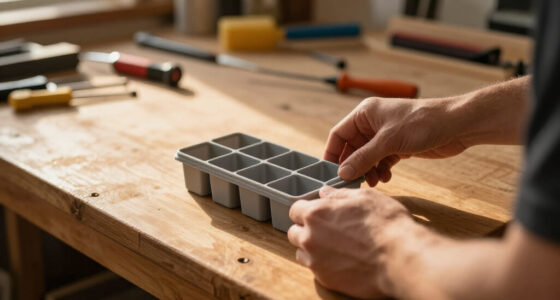
For example, a hobbyist jeweler might need a small tray with 10-15 compartments to keep their beads organized without cluttering their workspace. In contrast, a mechanic dealing with hundreds of small parts benefits from a large, multi-drawer cabinet that keeps everything accessible and sorted. The key is understanding your current collection size and anticipating future expansion, which helps prevent the inconvenience and cost of replacing or upgrading your organizer prematurely.
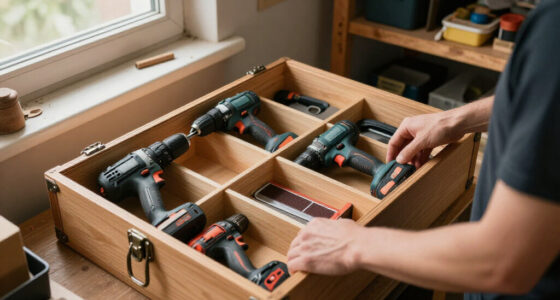
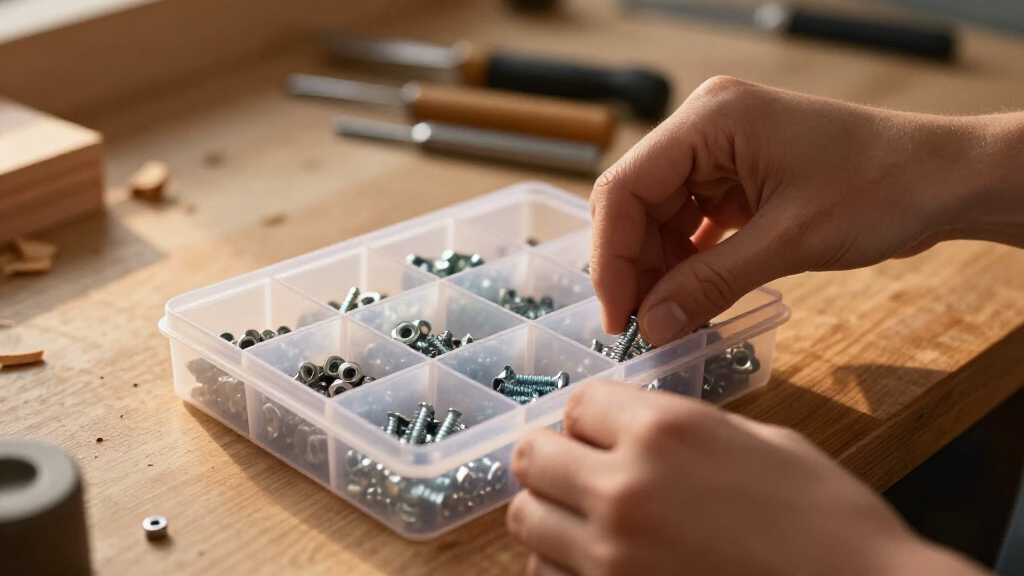
small parts organizer with adjustable compartments
As an affiliate, we earn on qualifying purchases.
As an affiliate, we earn on qualifying purchases.
Why Material Matters — Plastic, Metal, or Combo?
The material of your small parts organizer isn’t just about appearance; it directly influences durability, safety, and suitability for your environment. Plastic units are lightweight, making them easy to carry and maneuver, which is ideal for portability or indoor use. However, their susceptibility to cracking under heavy impact can be a drawback in demanding environments. Metal organizers, typically steel or aluminum, are much more resistant to physical stress, corrosion, and wear, making them suitable for workshops or outdoor settings where robustness is essential. Combining materials—such as a metal frame with plastic drawers—can offer a balanced approach, providing strength without excessive weight.
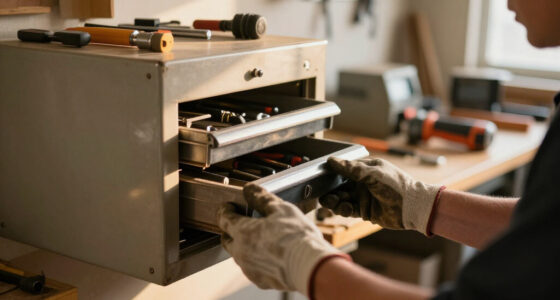
Understanding these tradeoffs is crucial. For example, a mechanic working in a busy garage needs a sturdy, impact-resistant metal cabinet that withstands rough handling and environmental factors like oil and moisture. Conversely, a hobbyist working in a controlled indoor environment might prefer a lightweight plastic container for ease of transport. The choice of material affects not only the lifespan of the organizer but also maintenance and safety considerations, such as avoiding rust or cracking. Making an informed decision based on your environment ensures your storage solution remains reliable over time, ultimately saving money and reducing frustration.
As an affiliate, we earn on qualifying purchases.
Compare Top Features to Look for in Small Parts Organizers
| Feature | Why It Matters |
|---|---|
| Adjustable Compartments | This feature allows you to customize the size and number of compartments, which is vital for adapting to different types of small items. Without adjustable options, you risk wasting space or struggling to fit items of various sizes, leading to clutter and inefficiency. The ability to reconfigure compartments means your organizer can evolve with your collection, maintaining order as your needs change. |
| Transparent Drawers | Clear drawers enable quick visual identification of contents, significantly reducing the time spent searching for specific items. This feature enhances workflow efficiency, especially in busy environments or when managing large collections. However, transparency can also expose your items to dust or UV damage if not properly sealed, so consider the environment when choosing this feature. The tradeoff is between speed of access and protection, which should be balanced based on your workspace conditions. |
| Locking Mechanisms | Locks prevent accidental spills, theft, or unauthorized access, which is particularly important in shared or high-traffic areas. While locking features add security, they can also complicate access, especially if locks are hard to open or require keys. Consider how often you need quick access versus security needs, and choose a locking system that balances convenience with protection. |
| Stackability | Stackable units allow for modular expansion, helping you grow your storage as your collection increases. Proper stacking can save space and keep your workspace tidy. However, stability depends on the design; poorly designed stackables may topple or become unstable under weight. Ensuring that your units are designed for secure stacking minimizes this risk, providing scalability without sacrificing safety or stability. |
| Durable Handles | Strong, ergonomic handles make transporting heavy or bulky organizers safer and easier, reducing strain and lowering the risk of dropping items. Handles influence how often and how comfortably you move your storage unit. Investing in well-designed handles ensures that regular transport doesn’t become a source of injury or damage, especially if you frequently relocate your organizer for different tasks or locations. |
As an affiliate, we earn on qualifying purchases.
Frequently Asked Questions
How do I decide what size organizer I need?
Estimate how many small items you typically handle and consider your workspace. Larger collections and future growth mean bigger units with more compartments. For occasional use, a smaller, portable case might suffice.Are transparent organizers better than opaque ones?
Transparent units let you see contents instantly, saving time. Opaque ones protect items from dust and look cleaner, but require labels or opening drawers to find what you need.Can small parts organizers be stacked or mounted?
Yes, many are designed for stacking or wall-mounting. Check product specs to ensure compatibility, especially if you want a modular setup or need to save space.What materials last the longest?
Metal and high-quality, impact-resistant plastics tend to last longer, especially in demanding environments. Consider your specific setting to choose the best material.How should I clean and maintain my organizer?
Most plastic units can be wiped with a damp cloth. Metal ones may need occasional rust prevention treatments. Avoid overloading drawers to prevent damage and keep everything functioning smoothly.As an affiliate, we earn on qualifying purchases.